"An informative guide for beginners on eLearning testing software, covering key tools, trends, and best practices for improving course quality and engagement."

Beginner’s Guide to eLearning Testing Software

Overview E-learning is transforming business training and education in the current digital era. However, how can the efficacy and quality of eLearning courses be guaranteed? Software for eLearning testing can help with that! If this idea is unfamiliar to you, don’t worry. This article will showcase the top software choices, examine market trends, and assist

Beginner’s Guide to eLearning Testing Software Read More »

7 Steps in Software Testing Life Cycle (STLC)

Software Testing Life Cycle (STLC) is a structured process that ensures the quality and reliability of software applications. It consists of multiple phases, each aimed at identifying and fixing defects before the final release. STLC is an integral part of the Software Development Life Cycle (SDLC) and helps improve software quality through systematic testing. In

7 Steps in Software Testing Life Cycle (STLC) Read More »

"Software tester analyzing test cases for quality assurance in a modern tech environment.

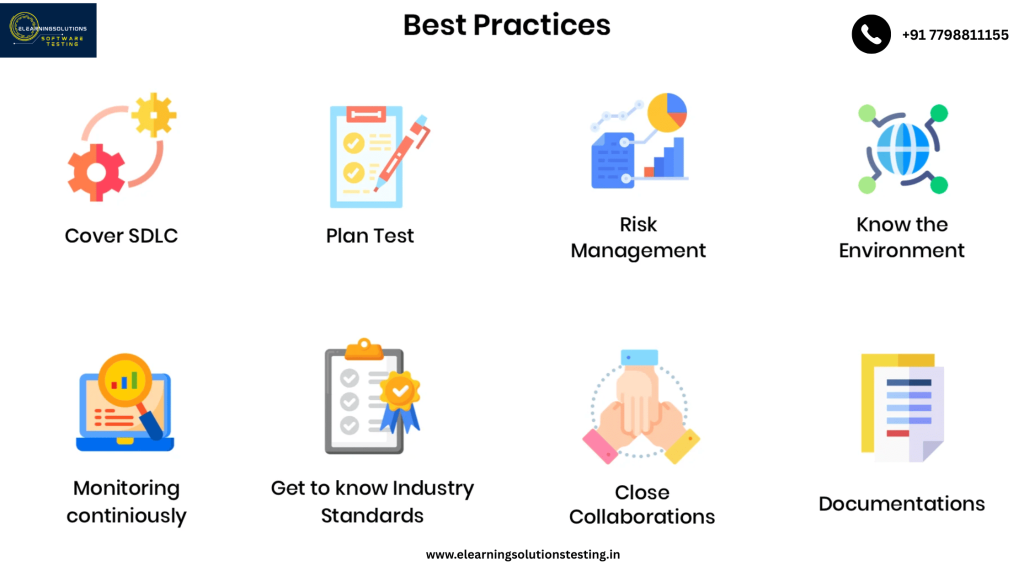
Essential Software Testing Best Practices for Quality Assurance

Introduction Software testing is essential to guaranteeing a product’s performance, dependability, and quality. Modern apps are becoming more complicated, thus it’s critical to employ efficient testing techniques to find defects, boost functionality, and increase user happiness. This blog examines software testing best practices that facilitate the development lifecycle and provide strong quality assurance (QA). 1.

Essential Software Testing Best Practices for Quality Assurance Read More »

"Comparison of Manual Testing and Automation Testing – Key differences, benefits, and best use cases to help you choose the right testing approach."

Manual vs. Automation Testing: Which One Should You Choose?

Introduction Software testing plays a critical role in ensuring the quality, performance, and reliability of applications. It helps developers detect and resolve defects before software is released to end-users. There are two main software testing approaches: manual and automation. Each has its strengths and weaknesses, making it crucial to understand their differences before deciding which

Manual vs. Automation Testing: Which One Should You Choose? Read More »

"Common Software Testing Errors and Prevention Strategies for Quality Assurance."

Typical Errors in Software Testing and How to Prevent Them 

Overview A critical stage in the software development lifecycle (SDLC) that guarantees the delivery of dependable, error-free, and high-quality programs is software testing. Nonetheless, a lot of companies and testers commit typical errors that reduce testing’s efficacy. These errors may result in poor user experience, higher expenses, and project delays. This article examines some of

Typical Errors in Software Testing and How to Prevent Them  Read More »

Diagram illustrating the five levels of software testing: Unit Testing, Integration Testing, System Testing, Acceptance Testing, and Regression Testing.

What Are the 5 Levels of Testing? A Beginner’s Guide to Software Testing Success

What are the five testing levels? A Beginner’s Guide to Software Testing SuccessIn the fast-paced world of software development, ensuring that an application functions correctly before its release is crucial. Software testing plays a key role in this process, and understanding its five levels can help beginners and company employees grasp the fundamentals of quality

What Are the 5 Levels of Testing? A Beginner’s Guide to Software Testing Success Read More »

Scroll to Top