As digital education continues to expand, interactive course modules have become essential for engaging learners. These modules often include drag-and-drop exercises, quizzes, simulations, and media elements. But with this rise in interactivity comes increased testing complexity. That’s where automated testing plays a vital role.
Unlike traditional content, interactive modules must respond smoothly to user input across devices and platforms. Automated testing helps maintain quality at scale, ensuring that updates or content changes don’t break the learner experience.
Why Automate Testing for Interactive Modules?
Manual testing of interactive features is time-consuming and repetitive. Automated testing offers several advantages:
- Consistency: Scripts execute test cases the same way every time, eliminating human error.
- Speed: Tests can run quickly across multiple devices and browsers.
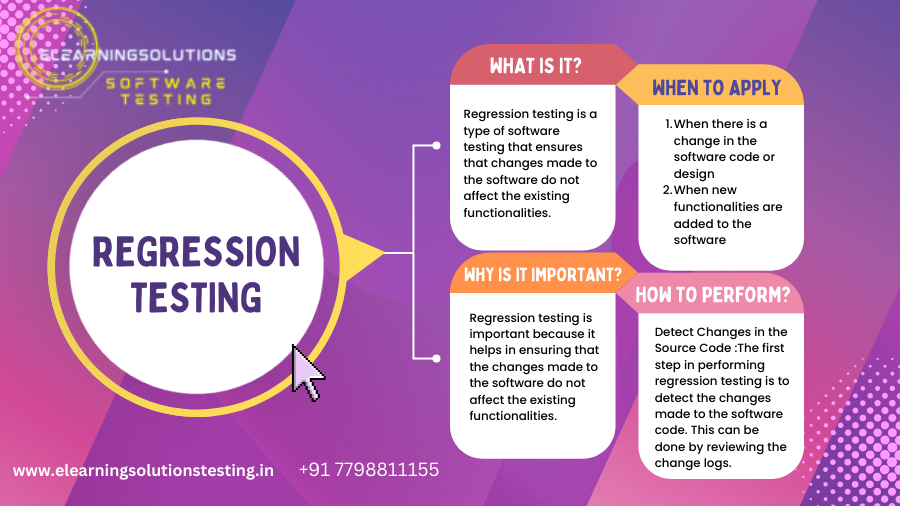
- Regression Assurance: Ensures existing features aren’t affected by new changes.
- Scalability: Easily test hundreds of modules across courses.
For educational platforms that regularly update content or layout, automation saves time while improving reliability.
What Can Be Automated in Interactive Courses?
Automated testing can cover several key areas of interaction:
1. Navigation and Page Load
- Verify that each screen loads correctly.
- Ensure “Next,” “Back,” and menu links behave as expected.
2. Form Inputs and Quizzes
- Validate input fields, dropdowns, and radio buttons.
- Check that correct and incorrect responses produce expected feedback.
3. Drag-and-Drop Elements
- Simulate dragging items into correct zones.
- Confirm scoring and feedback are accurate.
4. Media Playback
- Test audio and video controls (play, pause, volume).
- Verify media starts, ends, and resumes properly.
5. Progress Tracking
- Confirm course progress is recorded and resumes accurately after logout.
- Validate SCORM or xAPI tracking data if integrated.
Tools Used for Automated Testing
Here are some popular tools for testing interactive modules:
- Selenium – Great for web-based course testing across browsers.
- Cypress – Ideal for real-time feedback and front-end testing.
- Playwright – Supports multi-browser testing with fast execution.
- TestCafe – Handles complex user interactions and responsive testing.
- Appium – Best for mobile-specific educational apps.
These tools can simulate user actions, verify UI behavior, and check data transmission in LMS-integrated environments.
Challenges of Automating Interactive Content
While automation brings many benefits, some challenges exist:
- Dynamic Content: Tests must be adaptable to frequent layout/content changes.
- Timing Issues: Animations and media playback may need explicit waits.
- Complex Interactions: Drag-and-drop and gesture-based actions require careful scripting.
- Accessibility Testing: Still requires human oversight for screen reader compatibility and keyboard navigation.
Best Practices for Automation
- Use modular test scripts for reuse across similar content types.
- Include data-driven tests for quizzes with variable inputs.
- Automate critical paths like login, course completion, and scoring.
- Maintain clean test environments to avoid cache or session conflicts.
- Combine automation with manual exploratory testing for best coverage.
Conclusion
Interactive course modules are at the heart of modern eLearning, but their complexity demands robust QA strategies. Automated testing enables faster, more reliable validation of these dynamic components, ensuring learners have a smooth and consistent experience every time.
To build high-quality educational platforms, automation is not just helpful — it’s essential.
YOU MAY BE INTERESTED IN
The Art of Software Testing: Beyond the Basics
Automation testing course in Pune
Automation testing in selenium
Mastering Software Testing: A Comprehensive Syllabus
Frequently Asked Questions
What is automated testing for interactive course modules?
Automated testing for interactive course modules refers to the use of software tools to automatically test and validate the functionality of online learning modules. This approach helps ensure that the modules are working as intended and provides a more efficient way to identify and fix errors. By automating the testing process, course developers can save time and improve the overall quality of their modules.
How does automated testing improve the learning experience?
Automated testing helps improve the learning experience by ensuring that interactive course modules are free from errors and function as intended. This means that learners can focus on the course content without being distracted by technical issues, and can complete the modules more efficiently. As a result, learners are more likely to have a positive and engaging experience with the course.
What types of tests can be automated for interactive course modules?
Various types of tests can be automated for interactive course modules, including functionality tests, usability tests, and compatibility tests. These tests can help ensure that the modules are working correctly, are easy to use, and are compatible with different devices and browsers. By automating these tests, course developers can quickly identify and fix any issues that may arise.
Do I need to have programming skills to use automated testing tools?
While some programming knowledge can be helpful, it is not necessarily required to use automated testing tools for interactive course modules. Many automated testing tools provide user-friendly interfaces and pre-built test scripts that can be easily customized and executed. Additionally, many tools offer tutorials and support resources to help users get started with automated testing, even if they have limited programming experience.
Can automated testing replace manual testing entirely?
While automated testing can cover a wide range of tests and scenarios, it is not intended to replace manual testing entirely. Manual testing is still necessary to test certain aspects of interactive course modules, such as the overall user experience and the effectiveness of the course content. Automated testing should be used in conjunction with manual testing to provide a comprehensive testing approach that ensures the quality and effectiveness of the course modules.