Introduction
eLearning has transformed the way individuals and organizations deliver education and training. However, ensuring the quality, usability, and functionality of eLearning courses and platforms is crucial for a seamless learning experience. Manual testing can be time-consuming, error-prone, and inefficient, especially when handling large-scale learning management systems (LMS).
This is where automated testing tools come into play. These tools streamline the testing process, detect bugs, and ensure the performance, compatibility, and accessibility of eLearning platforms.
In this blog, we will explore:
- The importance of automated testing in eLearning
- Key features of automated testing tools
- The best automated testing tools for eLearning platforms
- Best practices for implementing automated testing
Why Automated Testing is Important for eLearning Platforms
With eLearning platforms catering to a diverse audience across different devices, browsers, and operating systems, ensuring functionality is crucial. Automated testing helps in the following ways:
1. Faster Testing Process
Automated scripts run tests in minutes, reducing the time required for repetitive testing compared to manual testing.
2. Improved Accuracy
Eliminates human errors in testing processes, ensuring accurate results and consistent performance across the platform.
3. Scalability
Automated tools can handle large-scale testing for enterprise-level LMS platforms, supporting multiple users and high content loads.
4. Cost Efficiency
Reduces long-term testing costs by minimizing manual intervention and accelerating development cycles.
5. Enhanced User Experience
Detects and resolves UI/UX issues before they impact learners, ensuring a smooth navigation and interactive learning experience.
Key Features of Automated Testing Tools for eLearning
When selecting an automated testing tool for an eLearning platform, look for the following key features:
1. Cross-Browser and Cross-Device Testing
Ensures that the eLearning platform works seamlessly on different browsers (Chrome, Firefox, Edge, Safari) and devices (desktop, tablets, mobile phones).
2. SCORM and xAPI Compliance Testing
Verifies that the platform correctly tracks learner progress, assessments, and course completions according to SCORM/xAPI standards.
3. LMS Compatibility Testing
Tests integrations with popular Learning Management Systems (Moodle, Blackboard, SAP SuccessFactors, Cornerstone, etc.).
4. Performance and Load Testing
Assesses platform performance under heavy user traffic and high content loads to ensure stability.
5. Accessibility Testing
Checks for WCAG compliance to ensure the platform is accessible to users with disabilities.
6. Regression Testing
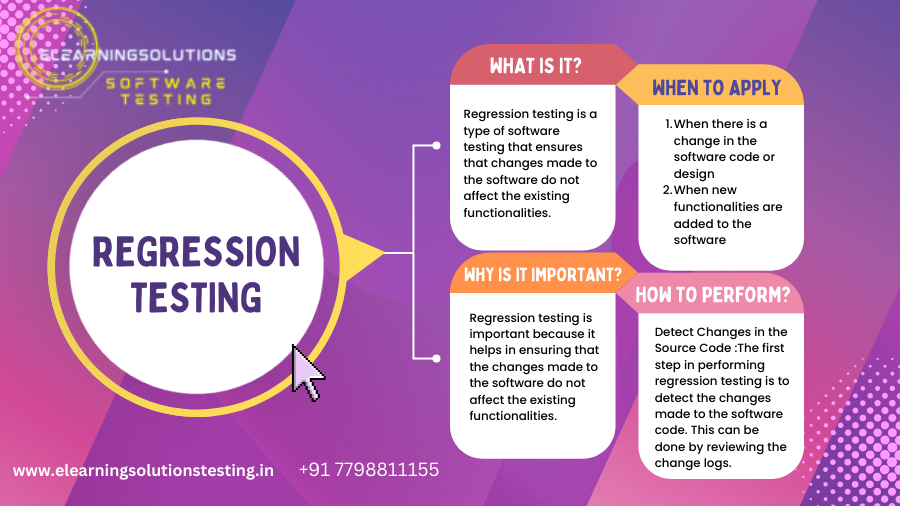
Automates re-testing to ensure that new updates or changes do not break existing functionalities.
Top Automated Testing Tools for eLearning Platforms
1. Selenium
Best for: Cross-browser and regression testing
Selenium is one of the most widely used open-source automation tools for web applications. It allows testers to create test scripts in multiple programming languages (Java, Python, C#) and supports cross-browser testing.
Pros:
- Supports multiple browsers and operating systems
- Integration with CI/CD pipelines
- Large community support
Cons:
- Requires programming knowledge
- No built-in reporting features
2. TestRail
Best for: Test case management and reporting
TestRail is a test case management tool that allows QA teams to organize, track, and report test cases effectively. It integrates with various automation tools, making it suitable for managing eLearning platform testing.
Pros:
- Centralized test case management
- Integration with Selenium, JIRA, and CI/CD tools
- Detailed reporting and analytics
Cons:
- No built-in test execution
- Requires additional tools for full automation
3. Katalon Studio
Best for: End-to-end automated testing
Katalon Studio offers a powerful platform for UI, API, and mobile testing without requiring extensive coding. It is an excellent choice for LMS platforms that need continuous testing.
Pros:
- User-friendly with built-in features
- Supports web, mobile, API, and desktop testing
- No need for advanced programming skills
Cons:
- Limited support for large-scale enterprise applications
- Advanced features require a paid plan
4. JMeter
Best for: Performance and load testing
JMeter is an open-source tool designed for performance and load testing. It is ideal for evaluating how an eLearning platform handles multiple concurrent users.
Pros:
- Excellent for stress and load testing
- Open-source with a strong community
- Supports API and database testing
Cons:
- Not suitable for UI testing
- Requires technical expertise to set up
5. Appium
Best for: Mobile app testing
If your eLearning platform has a mobile app, Appium is an essential tool. It allows automation of mobile applications across Android and iOS.
Pros:
- Open-source and widely adopted
- Supports multiple programming languages
- Compatible with real devices and emulators
Cons:
- Setup can be complex
- Requires integration with other tools for reporting
6. LambdaTest
Best for: Cloud-based cross-browser testing
LambdaTest is a cloud-based tool that helps testers run automation scripts across multiple browsers, operating systems, and devices.
Pros:
- Real-time testing on cloud-based browsers
- No installation required
- Supports Selenium and Appium integration
Cons:
- Requires a paid plan for advanced features
- Internet dependency for cloud execution
7. aXe
Best for: Accessibility testing
aXe is a leading tool for testing web accessibility compliance, ensuring that eLearning platforms meet WCAG standards.
Pros:
- Quick accessibility scans
- Open-source with Chrome and Firefox extensions
- Helps identify barriers for disabled learners
Cons:
- Limited support for automated fixes
- Requires additional tools for full accessibility testing
Best Practices for Implementing Automated Testing in eLearning
To make the most of automated testing for eLearning platforms, follow these best practices:
1. Define Clear Test Objectives
Establish what you want to test – functionality, compatibility, accessibility, performance, or security.
2. Use a Combination of Automated and Manual Testing
While automation speeds up testing, manual testing is still essential for usability and exploratory testing.
3. Prioritize Cross-Device and Cross-Browser Testing
Ensure learners have a seamless experience on different devices and browsers.
4. Implement Continuous Integration and Continuous Deployment (CI/CD)
Automate testing in CI/CD pipelines to detect and fix issues early in development.
5. Regularly Update Test Scripts
As eLearning platforms evolve, update test cases to match new features and UI/UX changes.
6. Monitor Performance Under Real-World Conditions
Use tools like JMeter to simulate real-world traffic and ensure platform stability.
7. Focus on Security and Data Privacy
Ensure compliance with GDPR and other data privacy regulations to protect learner information.
Conclusion
Automated testing is essential for ensuring the success of eLearning platforms. It enhances efficiency, improves user experience, and guarantees compliance with industry standards. By leveraging the right tools, organizations can streamline testing processes and deliver high-quality learning experiences.
YOU MAY BE INTERESTED IN
The Art of Software Testing: Beyond the Basics
Automation testing course in Pune
Automation testing in selenium
Mastering Software Testing: A Comprehensive Syllabus
Frequently Asked Questions
What are automated testing tools and how do they benefit eLearning platforms?
Automated testing tools are software applications that automatically test eLearning platforms for functionality, usability, and performance, reducing manual testing time and increasing accuracy. These tools help identify and fix issues quickly, ensuring a smooth learning experience for users. By using automated testing tools, eLearning platforms can improve their overall quality and reliability.
How do I choose the right automated testing tool for my eLearning platform?
When choosing an automated testing tool, consider factors such as the type of eLearning platform, the level of technical expertise, and the specific testing needs. Look for tools that offer features such as ease of use, customization options, and integration with your existing platform. It’s also essential to read reviews and compare pricing plans to find the best fit for your needs and budget.
Can automated testing tools test for accessibility and usability issues in eLearning platforms?
Yes, many automated testing tools can test for accessibility and usability issues, such as compliance with Web Content Accessibility Guidelines (WCAG) and Section 508 standards. These tools can identify issues such as inadequate color contrast, missing alt text, and inaccessible navigation, helping you ensure that your eLearning platform is accessible to all users. By using automated testing tools, you can improve the overall user experience and reduce the risk of accessibility-related lawsuits.
Do I need to have programming skills to use automated testing tools for eLearning platforms?
While some automated testing tools may require programming skills, many modern tools offer user-friendly interfaces and drag-and-drop features that make it easy to create and run tests without coding knowledge. Additionally, some tools offer pre-built test scenarios and templates that can be customized to fit your specific testing needs. However, having some basic understanding of programming concepts can be beneficial in using more advanced features and customizing tests.
How often should I run automated tests on my eLearning platform?
It’s recommended to run automated tests on your eLearning platform regularly, ideally after each update, release, or significant change. This ensures that any new issues or bugs are identified and fixed promptly, maintaining the platform’s stability and performance. You can also schedule automated tests to run at regular intervals, such as daily or weekly, to continuously monitor your platform’s health and identify potential issues before they affect users.