Software Testing with Placement: A Comprehensive Guide for Aspiring IT Professionals
In the rapidly evolving world of Information Technology (IT), software testing has emerged as a critical component. As a field that ensures the functionality, reliability, and efficiency of software applications, it plays a pivotal role in delivering high-quality solutions to users worldwide. For those aspiring to make their mark in the IT industry, understanding software testing with placement is not just an opportunity but a necessity.
Understanding Software Testing
Definition and Importance of Software Testing
Software testing involves the process of evaluating a software application or system to confirm if it satisfies specified requirements, standards, and quality criteria. The primary objective is to ensure that the final product meets user needs, functions as intended, and does not contain any errors or defects.
Key Types of Software Testing
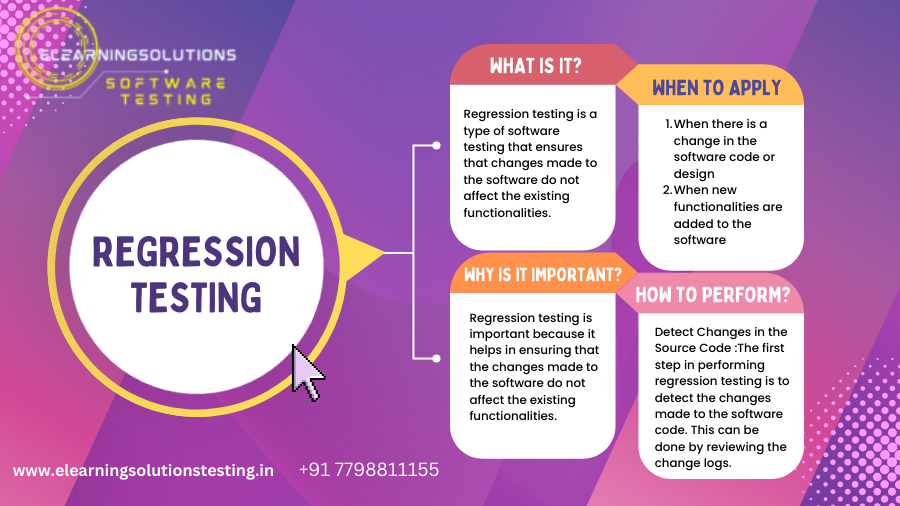
Several types of software testing exist, each with its unique purpose and methodology. Some of the most common include functional testing, non-functional testing, white-box testing, black-box testing, and regression testing.
The Role of Software Testing in Placement
Why Employers Value Software Testing Skills
Employers seek professionals with strong software testing skills because it demonstrates an ability to deliver quality, efficient, and reliable solutions. With the increasing demand for digital transformation across various industries, having a team of skilled testers is essential for maintaining a competitive edge in the market.
How eLearning Solutions Prepares You for Software Testing Careers
eLearning Solutions provides comprehensive training programs designed to equip students with the necessary knowledge and skills required for software testing careers. Our courses cover both theoretical and practical aspects, ensuring that you are well-prepared to excel in the competitive job market.
Exploring the Future of Software Testing
Emerging Trends in Software Testing
The software testing landscape is constantly evolving, with new trends and technologies emerging every year. Some of the most exciting developments include agile testing, test automation, cloud-based testing, and AI-driven testing.
Preparing for the Future: eLearning Solutions’ Approach
At eLearning Solutions, we understand the importance of staying updated with industry trends. Our curriculum is designed to ensure that our students are well-equipped to handle the challenges and opportunities presented by these emerging trends.
Frequently Asked Questions
What is software testing, and why is it important?
Software testing is the process of evaluating a software application or system to ensure that it meets specified requirements, standards, and quality criteria. It is essential because it helps deliver high-quality solutions to users by ensuring functionality, reliability, and efficiency.
What are the key types of software testing?
Some common types of software testing include functional testing, non-functional testing, white-box testing, black-box testing, and regression testing. Each type has its unique purpose and methodology.
Why do employers value software testing skills?
Employers seek professionals with strong software testing skills because it demonstrates an ability to deliver quality, efficient, and reliable solutions. With the increasing demand for digital transformation across various industries, having a team of skilled testers is essential for maintaining a competitive edge in the market.
How does eLearning Solutions prepare students for software testing careers?
eLearning Solutions provides comprehensive training programs designed to equip students with the necessary knowledge and skills required for software testing careers. Our courses cover both theoretical and practical aspects, ensuring that you are well-prepared to excel in the competitive job market.
What emerging trends should I be aware of in software testing?
Some exciting developments in software testing include agile testing, test automation, cloud-based testing, and AI-driven testing. At eLearning Solutions, our curriculum is designed to ensure that our students are well-equipped to handle these challenges and opportunities.
Mastering Software Testing with eLearning Solutions in Pune
Advanced Techniques for Effective Software Testing
In the ever-evolving world of software development, testing plays a crucial role. It’s not just about finding bugs but also ensuring the end product meets user expectations and industry standards. eLearning Solutions in Pune offers advanced courses that focus on effective software testing techniques.
Test Automation
Test automation is a strategic approach to executing repetitive tests at a faster pace, reducing the workload of testers. eLearning Solutions offers comprehensive training in various test automation tools like Selenium, Appium, and TestComplete.
Performance Testing
Performance testing evaluates a software application’s speed, responsiveness, and stability under expected workloads. eLearning Solutions provides detailed insights into performance testing methodologies, tools, and best practices.
Comparative Analysis of Testing Methodologies
Understanding the differences and similarities between various testing methodologies is essential for any software tester. eLearning Solutions offers a comparative analysis of Agile, Waterfall, and DevOps methodologies to help you make informed decisions.
Agile Testing
Agile testing focuses on delivering high-quality software quickly by iteratively developing and testing software in short cycles. eLearning Solutions covers the principles, practices, and tools used in Agile testing.
Waterfall Testing
Waterfall testing is a sequential design process where each phase depends on the completion of the previous one. eLearning Solutions provides detailed explanations of Waterfall’s phases, their importance, and challenges.
Location-Specific Opportunities in Software Testing
Understanding the local job market can help you tailor your skills to meet industry demands. eLearning Solutions provides insights into software testing opportunities in Pune, one of India’s major IT hubs.
Growing Demand for Software Testers in Pune
Pune has emerged as a significant destination for IT and software services. With numerous tech companies setting up shop here, the demand for skilled software testers is on the rise.
Salary Trends and Career Growth in Pune
Knowing salary trends and career growth prospects can help you plan your career effectively. eLearning Solutions provides a comprehensive overview of salary trends, career progression, and opportunities for software testers in Pune.
Key Factors for Successful Software Testing
Successful software testing requires a combination of technical skills, soft skills, and strategic thinking. eLearning Solutions offers insights into these key factors to help you excel in your career as a software tester.
Technical Skills
Mastering programming languages, test automation tools, and understanding various testing methodologies are essential technical skills for software testers.
Soft Skills
Communication skills, problem-solving abilities, and adaptability are vital soft skills that can help you succeed in the competitive world of software testing.
Software Testing with Placement: A Comprehensive Guide to a Successful Career
Career Growth Path in Software Testing
Entry-Level Roles
A fresh graduate or an individual new to the field can start as a Junior Tester, Manual Tester, or Automation Tester. These roles offer an opportunity to learn the basics of software testing and gain practical experience.
Mid-Level Roles
With some years of experience under their belt, professionals can advance to Senior Tester or Test Team Lead positions. At this level, they are responsible for managing a team, designing test strategies, and overseeing the entire testing process.
Senior-Level Roles
Experienced professionals may aspire to become Quality Assurance Managers, Test Managers, or Software Development Managers. These roles involve leading the entire quality assurance department and ensuring the delivery of high-quality software products.
Key Skills to Improve for a Successful Career in Software Testing
Technical Skills
Familiarity with various testing tools, scripting languages, and operating systems is essential. Knowledge of Agile methodologies, test automation, and performance testing also adds value to one’s profile.
Soft Skills
Good communication skills, attention to detail, problem-solving abilities, and adaptability are crucial for success in software testing. A tester must be able to understand requirements clearly, document bugs effectively, and work collaboratively with developers.
Perks and Benefits of a Career in Software Testing
Competitive Salary
The demand for skilled software testers is high, resulting in competitive salaries and benefits packages. This includes health insurance, retirement plans, and paid time off.
Ongoing Learning Opportunities
Software testing is a rapidly evolving field, requiring continuous learning to keep up with new technologies and methodologies. This provides ample opportunities for professionals to upgrade their skills and advance in their careers.
Boost Your Career with eLearning Solutions
If you’re ready to take your software testing career to the next level, consider enrolling in a course at [eLearning Solutions](https://www.elearningsolutions.co.in/). Our comprehensive training programs cover all aspects of software testing and prepare you for success in the industry. Join us today and start your journey towards a rewarding career!
Conclusion
A career in software testing offers numerous opportunities for growth, both technically and professionally. By focusing on key skills and taking advantage of learning resources like eLearning Solutions, you can build a successful career in this dynamic field. Embrace the challenges and rewards that come with software testing and seize the chance to make a significant impact on the world of technology.
Frequently Asked Questions about Software Testing with Placement
What is software testing with placement?
Software testing with placement refers to a training program offered by institutes like eLearning Solutions, where students learn software testing skills and are guaranteed job placement upon completion. The program combines theoretical knowledge with practical training, ensuring that students are well-equipped for the industry.
What are the eligibility criteria for software testing with placement?
Typically, eligibility requirements include a Bachelor’s degree in Computer Science, Information Technology, or a related field. Some institutes may also accept students with equivalent qualifications or experience. It is essential to check the specific eligibility criteria of each training program.
What skills are taught in software testing with placement?
Skills taught in software testing with placement programs include manual and automated testing, test case design, debugging, performance testing, and understanding various testing methodologies. The curriculum is designed to make students proficient in using testing tools like Selenium, JMeter, TestNG, etc.
What is the scope of a career in software testing?
The scope of a career in software testing is vast, with opportunities available in various industries such as IT services, banking, finance, e-commerce, and manufacturing. Roles include Test Analyst, Test Engineer, Quality Assurance Analyst, and Software Tester.
How much does a software tester earn in India?
The salary of a software tester in India varies based on factors such as location, experience, and company. Freshers can expect to earn around INR 2.5 to 4 LPA (Lakhs Per Annum), while experienced professionals can earn upwards of INR 8 LPA.
What are the advantages of choosing software testing with placement over self-study?
Choosing software testing with placement offers several advantages, including structured learning, hands-on experience, industry exposure, job assistance, and a supportive learning environment. Self-study, on the other hand, may lack these benefits.
What are some popular software testing tools used in the industry?
Popular software testing tools include Selenium for web application testing, JMeter for performance testing, TestNG for writing test cases, and BugZilla for managing bugs. These tools help testers automate their workflows and increase efficiency.
What is the difference between manual and automated testing?
Manual testing involves human testers executing test cases by interacting with the software under test, while automated testing uses test scripts to perform repetitive tasks quickly and efficiently. Both methods have their place in the testing process, depending on the type of testing required.
How can I prepare for a career in software testing?
Preparing for a career in software testing involves gaining a strong foundation in computer science and programming. Pursuing a degree or diploma from a reputable institute like eLearning Solutions, which offers software testing with placement programs, can provide the necessary skills, hands-on experience, and job assistance to start a successful career in software testing.
Frequently Asked Questions
What is software testing and why is it important in the industry?
Software testing is the process of evaluating and verifying that a software application or system meets the required standards and works as expected. It is crucial in the industry because it helps to identify and fix defects, ensuring the delivery of high-quality products. This ultimately leads to increased customer satisfaction and reduced maintenance costs.
What are the different types of software testing, and which one is most in-demand?
There are various types of software testing, including functional, non-functional, manual, and automated testing. The most in-demand type of testing currently is automation testing, as it enables companies to test their software quickly and efficiently. Automation testing also requires a range of skills, making it a highly sought-after skill in the job market.
Do I need to have prior programming knowledge to learn software testing?
While prior programming knowledge can be beneficial, it is not necessarily a requirement to learn software testing. Many software testing tools and techniques can be learned through dedicated training and practice, and some testing roles may focus more on the testing process rather than programming. However, having some basic understanding of programming concepts can be helpful in certain testing roles.
What kind of job placements can I expect after completing a software testing course?
After completing a software testing course, you can expect to be placed in various roles such as a test engineer, quality assurance engineer, or automation tester. The specific job role will depend on your skills, experience, and the type of testing you have learned. Many companies also offer internship opportunities to freshers, which can lead to full-time job offers.
How long does it typically take to get placed in a software testing job after completing the course?
The time it takes to get placed in a software testing job can vary depending on factors such as the quality of the training, the individual’s skills and experience, and the current job market. However, with dedicated training and practice, it is possible to get placed in a software testing job within a few months to a year after completing the course. Some training institutes also offer placement assistance and support to help students get hired quickly.