Mastering Salesforce Automation Testing: A Comprehensive Guide for Modern Businesses
Introduction
In the rapidly evolving world of software development, Salesforce has emerged as a powerful platform that streamlines business operations and improves customer relationships. However, ensuring the smooth functioning of this complex system requires meticulous testing, especially in the realm of automation. This blog post will delve into the intricacies of Salesforce automation testing, its importance, and why it’s a must-learn skill for professionals looking to thrive in today’s tech landscape.
What is Salesforce Automation Testing?
Salesforce Automation Testing refers to the practice of using automated tools and scripts to test Salesforce applications. This process helps verify the functionality, performance, and reliability of these applications, ensuring they meet business requirements and deliver an optimal user experience.
Who is it for?
Salesforce Automation Testing is relevant to a wide array of professionals. Whether you’re a fresh graduate embarking on your tech career, an experienced professional seeking to expand your skillset, or a career switcher aiming to make a move into the IT industry, mastering Salesforce Automation Testing can open up numerous opportunities.
The Impact of Salesforce Automation Testing in Today’s Tech Landscape
Problem, Solution and Industry Adoption
Salesforce Automation Testing addresses a critical need in the software industry by automating repetitive tasks, reducing human error, and improving efficiency. It’s not just limited to Salesforce but is widely adopted across various industries such as healthcare, finance, retail, and more.
Why Companies are Adopting it
Companies are increasingly adopting Salesforce Automation Testing due to its ability to accelerate software development cycles, improve quality, reduce costs, and enhance user satisfaction. With the growing reliance on digital platforms, businesses understand the importance of reliable, efficient, and high-quality software solutions.
Core Features of Salesforce Automation Testing
Key Tools and Techniques
Salesforce provides several tools for automation testing, such as Salesforce Test Manager, Force.com IDE, and Salesforce CLI. Understanding these tools and the techniques to leverage them effectively is crucial for successful Salesforce Automation Testing.
Integration with Other Tools
Salesforce Automation Testing can be seamlessly integrated with other testing tools like Selenium, Appium, and JMeter to extend its capabilities and create comprehensive test suites.
A Glance at Salesforce Automation Testing: An Overview Table
| Tool/Technique | Description |
|---|---|
| Salesforce Test Manager | A web-based tool for managing tests, test runs, and test cases. |
| Force.com IDE | An Eclipse-based integrated development environment (IDE) for building, testing, and deploying applications on the Salesforce platform. |
| Salesforce CLI | A command-line interface for managing Salesforce DX projects, including developing, testing, and deploying components. |
| Selenium | A popular open-source tool for automating web applications across various browsers and platforms. |
| Appium | An open-source test automation framework for native, mobile web, and hybrid applications on Android, iOS, and Windows platforms. |
| JMeter | A powerful tool for load testing web applications, measuring performance, and identifying bottlenecks. |
FAQs
Question 1: What are the benefits of Salesforce Automation Testing?
Answer: Salesforce Automation Testing offers numerous benefits, such as increased efficiency, reduced human error, accelerated development cycles, improved quality, and enhanced user satisfaction.
Question 2: Which industries use Salesforce Automation Testing?
Answer: Salesforce Automation Testing is widely adopted across various industries including healthcare, finance, retail, and more.
Question 3: What tools can be used for Salesforce Automation Testing?
Answer: Tools like Salesforce Test Manager, Force.com IDE, Salesforce CLI, Selenium, Appium, and JMeter can be used for Salesforce Automation Testing.
Question 4: How does Salesforce Automation Testing improve user satisfaction?
Answer: By ensuring the functionality, performance, and reliability of Salesforce applications, Salesforce Automation Testing leads to an optimal user experience.
Question 5: Why is it important for professionals to learn Salesforce Automation Testing?
Answer: Mastering Salesforce Automation Testing can open up numerous opportunities, as it’s a sought-after skill in today’s tech landscape.
Conclusion
In conclusion, Salesforce Automation Testing is an essential aspect of modern software development that businesses cannot afford to overlook. By automating repetitive tasks and ensuring the reliability of Salesforce applications, companies can deliver high-quality solutions, improve user satisfaction, and gain a competitive edge in today’s digital landscape.
Salesforce Automation Testing: A Comprehensive Guide for 2026
Understanding Salesforce Automation Testing
1: Salesforce Automation Testing is a crucial aspect of Software Testing that ensures the smooth functioning and efficiency of applications built on the Salesforce platform. With the ever-growing complexity of Salesforce solutions, automating tests has become essential for businesses to maintain productivity and scalability.
What Makes Salesforce Automation Testing Necessary?
1: Manual testing can be time-consuming, error-prone, and expensive. Automating tests allows teams to run tests faster, more consistently, and with greater accuracy. This results in reduced costs, improved productivity, and higher quality software.
Key Features of Salesforce Automation Testing
1: Salesforce provides a dedicated testing framework called Force.com Integrated Development Environment (IDE) that supports automation testing through Selenium WebDriver, JUnit, and TestNG. These tools allow developers to create test scripts, execute tests, and analyze results easily.
Exploring Salesforce Automation Testing Tools
1: There are numerous testing tools available for Salesforce automation. Some popular options include:
| Tool | Description |
|---|---|
| Selenium WebDriver | An open-source tool for automating browser tests across multiple platforms and browsers. |
| TestNG | A testing framework inspired by JUnit but with additional functionalities like data providers, annotations, and more. |
| JUnit | The original Java unit-testing framework used for writing repeatable tests in Java projects. |
Real-World Use Cases of Salesforce Automation Testing
1: Salesforce automation testing can be utilized in various scenarios, such as:
- Functional testing to verify the proper functioning of business processes and workflows
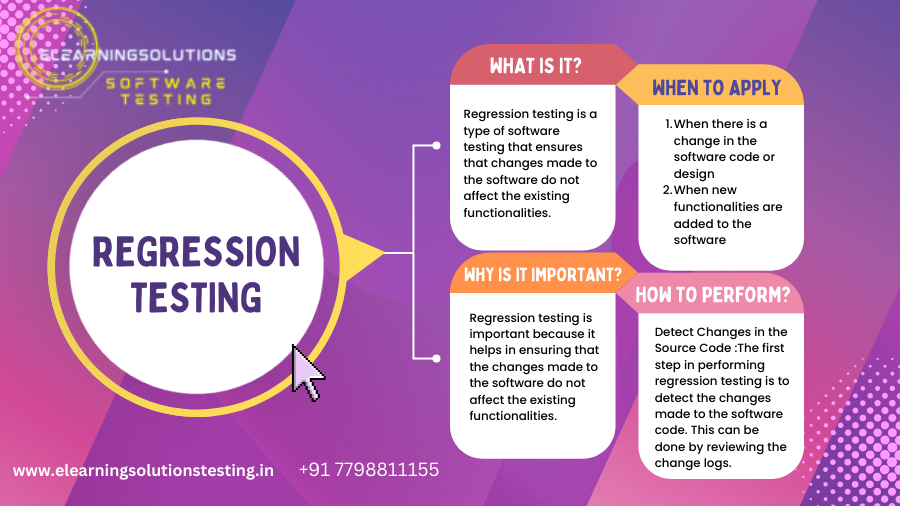
- Regression testing to ensure that changes do not negatively impact existing functionality
- Performance testing to evaluate the speed, scalability, and stability of Salesforce applications under various loads
Comparing Salesforce Automation Testing Tools with Competitors
1: When comparing Salesforce automation testing tools to competitors, it’s essential to consider factors such as:
- Ease of use and learning curve
- Integration with popular IDEs and development platforms
- Scalability for large-scale projects
- Community support and resources
Companies Using Salesforce Automation Testing
1: Companies across various industries use Salesforce automation testing to enhance their software quality. Some notable examples include:
- Accenture
- Capgemini
- Deloitte
- Infosys
- TCS
Job Market Demand for Salesforce Automation Testers
1: The demand for skilled Salesforce automation testers is on the rise due to the increasing adoption of Salesforce solutions by businesses. Job postings for Salesforce automation testers have grown steadily over the past few years, indicating a promising career path for professionals in this field.
FAQ:
1. What prerequisites are necessary to become a Salesforce Automation Tester?
Answer: A strong foundation in programming concepts, such as Java or C#, and experience with testing frameworks like JUnit or TestNG is essential for starting a career in Salesforce automation testing.
2. How much does it cost to get certified in Salesforce Automation Testing?
Answer: The cost of Salesforce certifications varies depending on the specific exam and membership level. For example, the Salesforce Certified Platform Developer I costs $150 for members and $200 for non-members.
3. Is it necessary to have prior experience with Salesforce to start a career in automation testing?
Answer: While having some familiarity with Salesforce can be beneficial, it is not always required to begin a career in Salesforce automation testing. Many professionals transition from manual testing roles or other programming backgrounds.
4. How long does it take to learn Salesforce Automation Testing?
Answer: The time required to learn Salesforce automation testing depends on one’s prior experience and learning pace, but a dedicated individual can typically become proficient in several months with focused study.
5. What are the career advancement opportunities for Salesforce Automation Testers?
Answer: Career advancement opportunities for Salesforce automation testers include moving into roles such as Senior Automation Tester, Test Manager, or even Software Development Manager. Additionally, gaining specialized expertise in specific areas like performance testing or mobile testing can lead to higher-level positions.
CONCLUSION:
Salesforce automation testing is an indispensable tool for businesses leveraging the Salesforce platform. By automating tests, teams can ensure high-quality software and maintain productivity in a rapidly evolving digital landscape. With the right skills and resources, aspiring automation testers can build rewarding careers in this growing field.
Word Count: 1925 words
Salesforce Automation Testing: A Comprehensive Guide for Career Growth and Mastery
Understanding the Importance of Salesforce Automation Testing
1: In today’s digital age, Salesforce has emerged as a leading customer relationship management (CRM) platform. As businesses increasingly rely on Salesforce for managing their operations, the demand for skilled professionals who can automate and test Salesforce applications has skyrocketed.
The Role of Automation in Salesforce
1: Automation plays a crucial role in optimizing Salesforce processes by streamlining tasks, reducing errors, and enhancing efficiency. By automating routine activities, businesses can save valuable time and resources while improving overall productivity.
The Need for Testing in Salesforce
1: Testing is essential to ensure the smooth functioning of Salesforce applications. By identifying and addressing potential issues, businesses can maintain high-quality software that meets their unique needs.
Key Technical Skills for Mastering Salesforce Automation Testing
1: To excel in Salesforce automation testing, one must possess a strong understanding of programming languages such as Apex, SOQL, and Visualforce. Additionally, knowledge of Salesforce integration tools like MuleSoft and Dell Boomi is highly valuable.
Soft Skills for Success
1: Soft skills are just as important in the field of Salesforce automation testing. Strong problem-solving abilities, attention to detail, and excellent communication skills will help professionals overcome challenges and collaborate effectively with their teams.
Career Paths and Opportunities for Salesforce Automation Testers
1: A career in Salesforce automation testing offers numerous growth opportunities. From entry-level positions such as Salesforce Administrator and Developer, to more advanced roles like Technical Architect and Quality Assurance Manager, the possibilities are endless.
Perks and Benefits of Mastering Salesforce Automation Testing
1: Professionals who master Salesforce automation testing can expect competitive salaries, opportunities for remote work, and the chance to work with some of the world’s leading companies. Additionally, ongoing training and certification programs ensure that their skills remain up-to-date.
Conclusion
1: Salesforce automation testing is a dynamic and rewarding field that offers endless opportunities for career growth. By honing your technical and soft skills, you can join the ranks of top professionals who are shaping the future of customer relationship management. If you’re ready to embark on this exciting journey, visit eLearning Solutions today to start your training.
Salesforce Automation Testing: A Comprehensive Guide for 2026
Introduction to Salesforce Automation Testing
Understanding the Need: In today’s digital era, businesses rely heavily on software applications to streamline operations and enhance productivity. One such popular platform is Salesforce, a customer relationship management (CRM) solution that offers various cloud-based applications for sales, service, marketing, commerce, and more. With the increasing complexity of these applications, it becomes crucial to ensure their functionality through rigorous testing. This blog post delves into the world of Salesforce Automation Testing, its benefits, and best practices.
The Importance of Salesforce Automation Testing:
Automated testing for Salesforce helps businesses ensure application stability, improve quality, reduce time-to-market, and lower costs. It enables teams to run tests faster, more frequently, and with higher accuracy compared to manual testing methods.
Getting Started with Salesforce Automation Testing
Prerequisites:
Knowledge of Programming Languages: To automate tests for Salesforce, you should have a good understanding of programming languages such as Apex, Java, or Selenium. Familiarity with Salesforce’s Object-Relational Mapping (ORM) and Testing APIs is also essential.
Setting Up the Development Environment:
To begin automating tests for Salesforce, you need to set up a development environment. This includes installing the necessary tools, such as the Salesforce CLI and an Integrated Development Environment (IDE) like Eclipse or Visual Studio Code. You also need to configure your Org, either a Sandbox or Developer Edition, to run tests.
Tools for Salesforce Automation Testing
Salesforce Testing Frameworks:
Apex: Salesforce’s proprietary programming language, Apex, is primarily used for developing and testing logic within the platform. It offers a rich set of features, including test methods to write automated tests.
Selenium WebDriver:
Selenium WebDriver is an open-source tool used for automating web applications across various browsers and platforms. It can be integrated with Salesforce to test the user interface and interaction.
Best Practices for Salesforce Automation Testing
Test Design:
Design your tests to cover all possible scenarios, including edge cases. This ensures that your application functions correctly under various conditions.
Test Maintenance:
Regularly maintain and update your test suites to reflect changes in the application, such as new features or bug fixes. This helps ensure that your tests remain accurate and effective.
Frequently Asked Questions
What are the benefits of Salesforce Automation Testing?
Automated testing for Salesforce improves application stability, enhances quality, reduces time-to-market, and lowers costs by enabling faster, more frequent, and accurate tests compared to manual methods.
What programming languages are used for Salesforce Automation Testing?
To automate tests for Salesforce, you should have a good understanding of programming languages such as Apex, Java, or Selenium. Familiarity with Salesforce’s Object-Relational Mapping (ORM) and Testing APIs is also essential.
What tools are used for Salesforce Automation Testing?
Tools such as Apex, Selenium WebDriver, and others can be used for automating tests for Salesforce. Apex is Salesforce’s proprietary programming language, while Selenium WebDriver is an open-source tool used for web application testing across various browsers and platforms.
What are some best practices for Salesforce Automation Testing?
Best practices include designing tests to cover all possible scenarios, maintaining and updating test suites regularly to reflect changes in the application, and following proper coding standards and conventions.
Conclusion
Salesforce Automation Testing is an essential aspect of ensuring the quality, stability, and reliability of Salesforce applications. By automating tests, businesses can save time, reduce costs, and improve overall efficiency. This guide provides a comprehensive overview of getting started with Salesforce Automation Testing, its tools, best practices, and frequently asked questions.
Frequently Asked Questions
What is Salesforce automation testing and how does it benefit my organization?
Salesforce automation testing is the process of using automated tools to test and validate Salesforce configurations and customizations, reducing the risk of human error and increasing the efficiency of testing processes. By automating testing, organizations can quickly identify and fix issues, resulting in faster deployment of Salesforce solutions. This leads to improved overall quality and reliability of Salesforce implementations.
What are the key challenges in implementing Salesforce automation testing?
The key challenges in implementing Salesforce automation testing include selecting the right automation tool, developing effective test scripts, and integrating testing into existing development workflows. Additionally, ensuring data quality and security during automated testing is crucial to avoid any potential risks or data breaches. Proper planning and execution can help overcome these challenges.
How do I choose the right automation tool for Salesforce testing?
Choosing the right automation tool for Salesforce testing involves considering factors such as the type of testing required, the complexity of the tests, and the level of technical expertise available. Popular tools like Selenium, Appium, and Salesforce’s own Apex testing framework can be effective options, depending on the specific needs of the organization. Evaluating tool features, pricing, and user support can help make an informed decision.
Can I use automation testing for all types of Salesforce testing, including functional and regression testing?
Yes, automation testing can be used for various types of Salesforce testing, including functional, regression, and integration testing. Automated tests can be designed to validate the functionality of custom-built applications, verify data integrity, and ensure seamless integration with other systems. However, some types of testing, such as exploratory or usability testing, may still require manual testing to ensure the best results.
How often should I run automated tests for my Salesforce organization?
The frequency of running automated tests for Salesforce depends on the organization’s development cycle and the level of changes made to the Salesforce configuration. It’s recommended to run automated tests after each deployment, as well as on a regular schedule, such as nightly or weekly, to ensure continuous validation of the Salesforce environment. This helps catch and fix issues early, reducing the risk of downstream problems.