Mastering Manual Testing: A Comprehensive Tutorial for Quality Assurance Professionals
Understanding the Basics of Manual Testing
Definition and Scope of Manual Testing
Manual testing is a type of software testing that involves human testers to evaluate the functionality, usability, and performance of an application or system without relying on automation tools. It is one of the oldest methods for testing software applications and remains essential in today’s digital world due to its ability to uncover issues that automated tests might miss.
Importance and Advantages of Manual Testing
Manual testing offers several advantages over automated testing, including:
– Comprehensive coverage of user interfaces and usability aspects
– Identifying edge cases and uncommon scenarios that automation may miss
– Providing a human perspective to assess the overall quality of the application
– Offering flexibility to adapt to new requirements or changes during testing
Who is Manual Testing for, and Why it Matters
Who Performs Manual Testing
Manual testing is primarily performed by quality assurance (QA) professionals, software testers, and analysts who have a deep understanding of the application being tested. This role requires strong analytical skills, attention to detail, and good communication abilities to work effectively with developers and project managers.
Why Manual Testing Matters
Manual testing plays a crucial role in ensuring that software applications meet user expectations and deliver high-quality user experiences. By performing manual tests, testers can uncover issues related to usability, functionality, security, compatibility, and performance, which are essential for maintaining a positive brand reputation and customer satisfaction.
Manual Testing Techniques and Methods
Types of Manual Testing
There are various types of manual testing, including:
– Functional testing
– Non-functional testing (performance, security, usability)
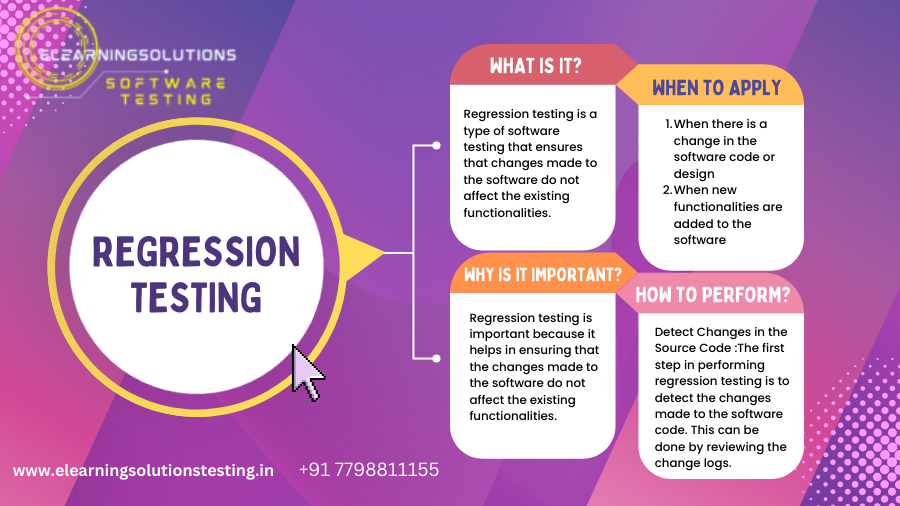
– Regression testing
– Ad-hoc testing
– Exploratory testing
Manual Testing Process and Steps
The manual testing process typically involves the following steps:
1. Requirement Analysis
2. Test Planning and Design
3. Test Case Development
4. Execution of Test Cases
5. Defect Reporting and Tracking
6. Retesting and Regression Testing
7. Closure and Documentation
Manual Testing Tools and Resources
Popular Manual Testing Tools
Although manual testing does not require specialized tools, there are several software solutions that can streamline the process and improve productivity. Some popular manual testing tools include:
– TestLink
– MbUnit
– TestComplete
– Selenium IDE (for recording and playback of test cases)
Resources for Learning Manual Testing
To learn more about manual testing, consider the following resources:
– Online courses on platforms like Udemy, Coursera, or eLearning Solutions (https://www.elearningsolutions.co.in/)
– Books such as “Lessons Learned in Software Testing” by Cem Kaner, James Bach, and Bret Pettichord
– Websites like TechTarget, Software Testing Help, and Techopedia
Manual Testing Best Practices
Essential Manual Testing Tips
Here are some best practices to follow when performing manual testing:
– Understand the requirements and application objectives before starting the testing process
– Design test cases based on both functional and non-functional aspects
– Prioritize high-risk areas for thorough testing
– Use a clear, concise, and unambiguous language in test case descriptions
– Document all defects found during testing and provide detailed repro steps to developers
Continuous Learning and Improvement
To stay up-to-date with the latest trends and best practices in manual testing, consider attending industry conferences, workshops, and webinars. Additionally, engaging in online communities like Stack Overflow or software testing forums can provide valuable insights and networking opportunities.
Mastering Manual Testing: A Comprehensive Guide
Understanding the Basics of Manual Testing
What is Manual Testing?
A manual testing process involves executing test cases and analyzing results to identify defects or failures in software applications. It is a crucial step in ensuring the quality of software products before they are released to users.
Importance of Manual Testing
Manual testing plays a significant role in identifying errors that may not be caught by automated testing tools, providing a comprehensive evaluation of the software’s functionality and usability.
Advantages and Disadvantages of Manual Testing
Advantages of Manual Testing
– Flexibility: Manual testing can be adapted to test various aspects of the software, including user experience, functionality, security, and compatibility.
– Human Intuition: Testers can use their judgment and intuition to identify potential issues that may not be apparent through automated testing.
Disadvantages of Manual Testing
– Time-Consuming: Manual testing is a labor-intensive process that requires extensive time and resources to execute test cases and analyze results.
– Subjectivity: The outcomes of manual testing can be influenced by the tester’s subjective judgment, leading to inconsistent results.
Different Types of Manual Testing Techniques
Functional Testing
Functional testing verifies that the software application performs its intended functions correctly under various scenarios. It can be further divided into:
– Smoke Testing
– Sanity Testing
– Regression Testing
– Acceptance Testing
Non-Functional Testing
Non-functional testing focuses on evaluating the software’s performance, usability, and reliability under different conditions. It can be further divided into:
– Performance Testing
– Security Testing
– Compatibility Testing
– Usability Testing
Comparing Manual Testing with Automated Testing
Comparison of Manual and Automated Testing
Here’s a table comparing the key differences between manual testing and automated testing:
| | **Manual Testing** | **Automated Testing** |
|————|————————————————————————|——————————————————————-|
| Time | Labor-intensive and time-consuming | Faster execution of test cases |
| Cost | Requires significant resources, including manpower and infrastructure | Initial setup can be expensive but saves on maintenance costs |
| Efficiency | More prone to human error and inconsistent results | Consistent results, faster feedback, and reduced errors |
| Flexibility | Allows for ad-hoc testing and exploratory testing | Limited in scope and requires predefined test cases |
Factors Affecting the Success of Manual Testing
Quality of Tester
The expertise and skills of the tester significantly impact the effectiveness of manual testing. Experienced testers can identify more issues, while novice testers may miss critical defects.
Test Planning
A well-planned test strategy ensures comprehensive coverage of various aspects of the software application and increases the chances of identifying potential issues.
Location Breakdown: Manual Testing Across the Globe
Manual testing is a global practice, with several countries having a significant presence in this field. Some key regions include India, China, the United States, and Europe.
In Pune, India, eLearning Solutions offers comprehensive training programs for manual testing, equipping students with the necessary skills to excel in the industry. With a strong emphasis on practical learning, their courses cover various aspects of manual testing, ensuring that students are well-prepared for real-world scenarios. (Visit eLearning Solutions)
Mastering Manual Testing: A Comprehensive Guide for a Rewarding Career in IT
1: The Role and Importance of Manual Testing in Software Development
Manual testing is an essential part of software development, serving as the final line of defense against bugs and ensuring that applications function as intended. As technology advances, so does the demand for skilled manual testers who can effectively test complex systems.
1. 1: Understanding the Role of Manual Testers
Manual testers are responsible for executing test cases, identifying defects, and reporting issues to developers. They work closely with development teams to ensure that applications meet functional and non-functional requirements.
1.2: The Importance of Manual Testing in Agile Development
In the fast-paced world of Agile development, manual testing plays a crucial role. Testers help verify that new features are functioning correctly and don’t introduce unintended consequences into the system.
2: Key Skills for Aspiring Manual Testers
To excel as a manual tester, it is essential to possess strong analytical skills, attention to detail, and problem-solving abilities. Familiarity with various testing techniques such as black box, white box, and grey box testing will also prove valuable.
2.1: Essential Tools for Manual Testers
Manual testers rely on a variety of tools to streamline their workflow and improve efficiency. Examples include test management platforms like TestLink, Zephyr, or TestRail, as well as automation tools like Selenium WebDriver.
2.2: Continuous Learning and Professional Development
Staying updated with the latest testing methodologies, technologies, and best practices is crucial for career growth in manual testing. Participating in training programs, attending workshops, and earning relevant certifications can help testers advance their skills and enhance their employability.
3: Advantages and Perks of a Career in Manual Testing
A career in manual testing offers numerous advantages, including a steady demand for skilled professionals, opportunities for growth within the IT industry, and competitive salaries.
3.1: Flexible Work Environment
Many organizations offer flexible work schedules for manual testers, allowing them to balance their professional and personal lives more effectively.
3.2: Opportunities for Collaboration
Manual testing often involves working closely with development teams, offering valuable opportunities for collaboration and knowledge sharing.
4: Embracing the Future of Manual Testing
As automation tools continue to evolve, manual testing will likely become increasingly integrated with automated testing. Testers who are adaptable and willing to learn new skills will be best positioned for success in this changing landscape.
5: Ready to Start Your Journey in Manual Testing?
eLearning Solutions offers comprehensive training programs designed to help individuals develop the skills needed for a successful career in manual testing. Visit our website to learn more about our offerings and enroll today.
Conclusion:
A career in manual testing offers a wealth of opportunities for growth, collaboration, and professional development within the IT industry. With the right skills and a commitment to continuous learning, aspiring testers can secure rewarding positions and make valuable contributions to software development projects.
By embracing the evolving landscape of testing and adapting to new technologies, manual testers can remain competitive and ensure that they are well-prepared for the future.
eLearning Solutions is dedicated to helping individuals achieve their career goals by providing high-quality training programs in various IT disciplines. Join us today and take the first step towards a successful career in manual testing.
Manual Testing Tutorial: A Comprehensive Guide
What is Manual Testing?
Manual testing refers to the process of executing test cases, comparing actual results with expected results, and documenting the findings. It’s a crucial part of software development where a human tester performs testing activities manually without using automated tools.
Why is Manual Testing Important?
Manual testing offers several advantages such as its ability to test user interfaces, complex scenarios, and edge cases that might not be covered by automated tests. It also enables testers to make judgments based on their experience and understanding of the software.
Prerequisites for a Career in Manual Testing
What are the Eligibility Criteria for Pursuing Manual Testing?
There are no formal education requirements for pursuing manual testing. However, having a degree in computer science or information technology can be beneficial. A strong foundation in programming and understanding of software development life cycle (SDLC) is also important.
What Skills are Required for Manual Testers?
Skills required for manual testers include problem-solving skills, attention to detail, strong analytical skills, good communication skills, and the ability to learn quickly. Knowledge of testing methodologies like black box testing, white box testing, and gray box testing is also essential.
Career Prospects in Manual Testing
What are the Career Opportunities in Manual Testing?
Career opportunities in manual testing include positions such as test analyst, test engineer, quality assurance analyst, and software tester. With experience and expertise, one can advance to roles like senior QA analyst or test lead.
What is the Average Salary for a Manual Tester?
The average salary for a manual tester in India varies based on factors such as location, experience, and company. As of 2026, the average salary ranges from INR 4 lakh to INR 10 lakh per annum.
Scope of Manual Testing
What is the Scope of Manual Testing in Today’s Market?
Manual testing continues to be an essential part of software development, even with the rise of automated testing. The demand for manual testers remains high due to their ability to test complex scenarios and user interfaces that are difficult to automate.
How is Manual Testing Different from Automated Testing?
Manual testing involves human intervention, while automated testing uses software tools to execute tests. Manual testing is effective for exploratory testing and testing user interfaces, while automated testing is ideal for repetitive tasks and regression testing.
Tips for Aspiring Manual Testers
What are Some Tips for Aspiring Manual Testers?
Some tips for aspiring manual testers include learning programming languages, staying updated with the latest testing tools and technologies, practicing test case design, and developing a thorough understanding of SDLC.
What are Some Online Resources for Learning Manual Testing?
Online resources for learning manual testing include online courses on platforms like Coursera, Udemy, and edX. Websites like TestingWhiz, SeleniumHQ, and TechTarget also offer valuable information and resources.
Frequently Asked Questions
Question 1: What is the difference between manual testing and automated testing?
Answer: Manual testing involves human intervention, while automated testing uses software tools to execute tests. Manual testing is effective for exploratory testing and testing user interfaces, while automated testing is ideal for repetitive tasks and regression testing.
Question 2: What skills are required for a career in manual testing?
Answer: Skills required for manual testers include problem-solving skills, attention to detail, strong analytical skills, good communication skills, and the ability to learn quickly. Knowledge of testing methodologies like black box testing, white box testing, and gray box testing is also essential.
Question 3: What are the career opportunities in manual testing?
Answer: Career opportunities in manual testing include positions such as test analyst, test engineer, quality assurance analyst, and software tester. With experience and expertise, one can advance to roles like senior QA analyst or test lead.
Question 4: What is the average salary for a manual tester?
Answer: The average salary for a manual tester in India varies based on factors such as location, experience, and company. As of 2026, the average salary ranges from INR 4 lakh to INR 10 lakh per annum.
Question 5: What is the scope of manual testing in today’s market?
Answer: Manual testing continues to be an essential part of software development, even with the rise of automated testing. The demand for manual testers remains high due to their ability to test complex scenarios and user interfaces that are difficult to automate.
Frequently Asked Questions
What is manual testing and why is it important in software development?
Manual testing is the process of manually testing software applications to identify defects and bugs. It is an essential part of software development as it helps ensure the quality and reliability of the software. By performing manual testing, testers can validate that the software meets the required specifications and functions as expected.
What skills do I need to become a good manual tester?
To become a good manual tester, you need to have strong analytical and problem-solving skills, as well as attention to detail and excellent communication skills. You should also have a basic understanding of software development principles and testing methodologies. Additionally, knowledge of testing tools and techniques is also beneficial.
How do I create a test plan and test cases for manual testing?
Creating a test plan and test cases involves identifying the testing objectives, scope, and deliverables, as well as outlining the testing approach and timeline. You should also develop test cases that cover all the possible scenarios and user interactions, and ensure that they are clear, concise, and easy to execute. A well-structured test plan and test cases are essential for effective manual testing.
What are the different types of manual testing, and when should I use each?
There are several types of manual testing, including black box, white box, and gray box testing, each with its own strengths and weaknesses. Black box testing is used to test the functionality of the software without knowing its internal workings, while white box testing involves testing the internal code and structure. Gray box testing is a combination of both, and is used to test the software with some knowledge of its internal workings.
How can I improve my manual testing skills and stay up-to-date with the latest trends and best practices?
To improve your manual testing skills, you should continuously learn and practice new testing techniques, tools, and methodologies. You can also participate in online communities and forums, attend workshops and conferences, and read industry blogs and books to stay updated with the latest trends and best practices. Additionally, you can also seek feedback from peers and mentors to improve your testing skills.