Manual Testing Interview Questions And Answers
Understanding Manual Testing and Its Importance
Manual testing is a form of software testing where testers manually execute test cases to find defects, validate functionalities, and ensure the quality of the application under test. It is crucial in the software development lifecycle as it provides human insight, catches issues that automation may miss, and helps to improve user experience.
The Role of Manual Testers
Manual testers are responsible for designing test cases, executing tests, reporting bugs, and validating the software’s functionality. They work closely with developers and project managers to ensure that the product meets the desired quality standards.
The Significance of Manual Testing
Manual testing plays a vital role in ensuring that the application is user-friendly, intuitive, and error-free. It helps to identify usability issues, validate user interfaces, and ensure that the software behaves as expected under various conditions.
Key Manual Testing Interview Questions and Answers
Question 1: What is Manual Testing?
Answer: Manual testing is a type of software testing where testers perform tests manually to validate the functionality, usability, and performance of an application. It involves executing test cases, identifying defects, reporting bugs, and ensuring that the application meets the desired quality standards.
Question 2: What are the Advantages of Manual Testing?
Answer: The advantages of manual testing include providing human insight, catching issues that automation may miss, ensuring user-friendly interfaces, validating usability, and verifying that the application behaves as expected under various conditions.
Question 3: What are the Disadvantages of Manual Testing?
Answer: The disadvantages of manual testing include being time-consuming, prone to human errors, and less efficient compared to automated testing. However, manual testing is still crucial in ensuring that the application meets the desired quality standards.
Question 4: What are the Different Types of Manual Testing?
Answer: The different types of manual testing include functional testing, usability testing, compatibility testing, security testing, and acceptance testing. Each type focuses on a specific aspect of the application to ensure its quality.
Question 5: What Tools are Used for Manual Testing?
Answer: The tools used for manual testing include test management tools, bug tracking systems, and test case management tools. These tools help testers to manage test cases, track bugs, and report issues effectively.
Manual Testing Interview Questions: A Comprehensive Guide
Bold Text within Subheading 1: Gearing up for a manual testing interview? Preparation is key to landing that dream job. In this comprehensive guide, we’ll explore some of the most common manual testing interview questions and provide you with valuable insights on how to ace them.
1.1: Test Case Design
Bold Text within Tertiary Heading 1: One of the crucial aspects of manual testing is test case design. Here are some interview questions related to this topic:
| Question | Answer | |
|---|---|---|
| 1. | Explain the different levels of test case design. | Test case design can be divided into three levels: high-level, mid-level, and low-level. High-level test cases focus on the overall functionality, mid-level tests are more detailed, and low-level tests cover specific scenarios and edge cases. |
| 2. | How do you determine the priority of test cases? | The priority of test cases is determined based on factors such as business criticality, functional complexity, and risk level. High-priority test cases should be executed first to ensure the most important aspects of the application are functioning correctly. |
1.2: Test Execution
Bold Text within Tertiary Heading 2: In addition to test case design, manual testers are also responsible for test execution. Here are some questions related to this topic:
| Question | Answer | |
|---|---|---|
| 1. | What is the importance of documentation during test execution? | Documentation is crucial during test execution as it helps in tracking test results, identifying defects, and communicating issues to the development team. A well-organized test log can significantly improve the efficiency of the testing process. |
| 2. | Explain the concept of test data management. | Test data management involves planning, creating, and maintaining test data that is used to execute tests. Proper test data management ensures that test results are reliable, repeatable, and relevant to the application under test. |
Manual Testing Interview Questions: Expert Tips
2: To help you prepare for your manual testing interview, we’ve gathered some expert tips that can set you apart from the competition.
2.1: Research and Preparation
Bold Text within Tertiary Heading 1: Proper research and preparation are key to acing a manual testing interview. Familiarize yourself with the company, their products, and the specific technologies they use.
2.2: Practice Makes Perfect
Bold Text within Tertiary Heading 2: Practice is essential for building confidence and reducing anxiety. Solve test case design problems, practice test execution, and review common interview questions to ensure you’re well-prepared.
Manual Testing Interview Questions And Answers
Career Growth Path
What are the key positions in Manual Testing?
The primary positions in Manual Testing include QA Analyst, Manual Tester, Test Engineer, and Senior Test Engineer. Each role has a unique set of responsibilities and requirements.
What is the potential for career advancement in Manual Testing?
Career growth opportunities are substantial within Manual Testing. With relevant experience and certifications, professionals can transition into roles like Automation Test Engineer or Technical Lead positions.
Key Skills to Improve
What technical skills should a Manual Tester master?
Technical expertise in testing tools, programming languages (like Java, C#, or Python), and test automation frameworks are essential for Manual Testers. Familiarity with databases and understanding of software development methodologies is also beneficial.
What soft skills should a Manual Tester develop?
Strong communication, attention to detail, problem-solving, and teamwork are essential soft skills for Manual Testers. A tester must be able to understand requirements, clearly document issues, work effectively with developers, and deliver quality results.
Perks & Benefits
What advantages does a career in Manual Testing offer?
A career in Manual Testing offers the opportunity to learn diverse technologies, work on interesting projects, and collaborate with talented professionals. Testers play a crucial role in ensuring product quality, making it an essential aspect of software development.
What job security does a Manual Tester have?
Job security is generally good for Manual Testers, as the testing phase is integral to any software development lifecycle. Additionally, the ongoing growth and complexity of software systems create a continuous need for quality assurance professionals.
BLOG CONTENT CONTINUED:
Manual Testing Methodologies
What are the key Manual Testing methodologies?
Some popular Manual Testing methodologies include Equivalence Partitioning, Boundary Value Analysis, Decision Table Testing, and Use Case Testing.
How do I choose the right methodology for my project?
The choice of Manual Testing methodology depends on factors like project complexity, available resources, time constraints, and specific requirements. It’s crucial to understand each methodology’s strengths and limitations before selecting one.
Manual Testing Techniques
What are some common Manual Testing techniques?
Some commonly used Manual Testing techniques include Functional Testing, Usability Testing, Regression Testing, and Security Testing.
How do I determine which technique is best for a given scenario?
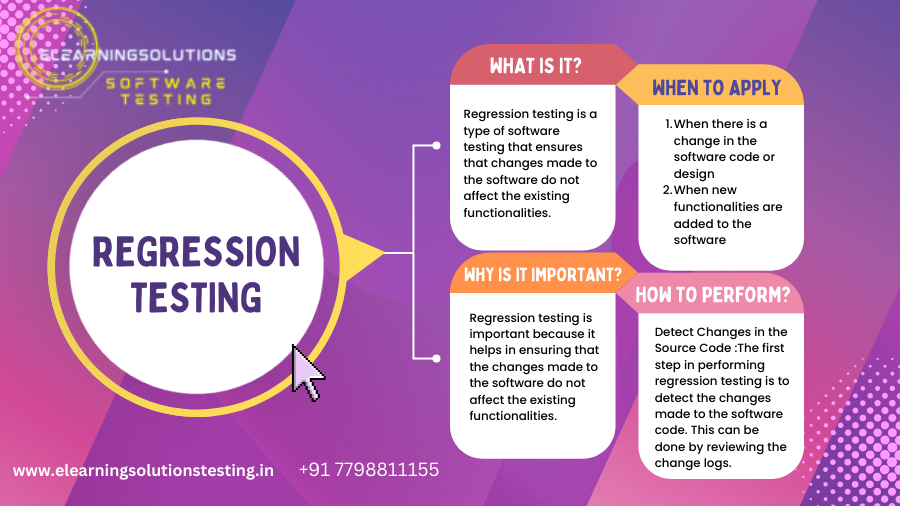
Selecting the right Manual Testing technique requires understanding the test objective, application domain, and specific requirements. For example, Usability Testing may be ideal for evaluating user interfaces, while Regression Testing can help ensure that changes don’t affect existing functionality.
BLOG CONTENT CONTINUED:
Manual Testing Tools
What tools are commonly used for Manual Testing?
Popular Manual Testing tools include TestLink, TestRail, Zephyr, and TestComplete. These tools help streamline the testing process by managing test cases, tracking defects, and generating reports.
How do I choose the best tool for my project?
When selecting a Manual Testing tool, consider factors like ease of use, scalability, compatibility with your development environment, and pricing. It’s essential to evaluate multiple options and choose one that best fits your team’s needs and budget.
Conclusion
Manual Testing is an important aspect of software quality assurance, offering diverse career opportunities and the chance to collaborate with talented professionals. To excel in this field, it’s essential to master key techniques, methodologies, and tools while developing a strong foundation in both technical skills and soft skills. By focusing on continuous learning and improvement, Manual Testers can advance their careers and contribute significantly to the success of software projects.
If you are looking for comprehensive training in Manual Testing, consider eLearning Solutions (<https://www.elearningsolutions.co.in/>). Their expert instructors and up-to-date curriculum will provide you with the skills needed to succeed in today’s competitive job market. Start your journey towards a rewarding career in software testing today!
Frequently Asked Questions about Manual Testing Interviews
What is manual testing and why is it important in software development?
Manual testing is a type of software testing where testers execute test cases by manually interacting with the application. It’s crucial because it helps identify user interface (UI) issues, usability problems, and functional defects that automated tests might miss. Moreover, manual testing allows for exploratory testing and provides insights into how users will interact with the software.
What are some common manual testing interview questions?
Interviewers may ask about your understanding of test case creation, execution, and maintenance. They could also inquire about your knowledge of different types of testing like smoke, sanity, regression, and acceptance testing. Additionally, they might probe your experience with various test management tools and techniques.
What skills are essential for a manual tester?
Strong analytical and problem-solving skills, attention to detail, good communication, and the ability to work well under pressure are vital for manual testing. Additionally, understanding various testing methodologies and tools is crucial. Familiarity with Agile and Waterfall development methodologies can be advantageous as well.
What is the average salary of a manual tester in India?
The average salary for a manual tester in India ranges from INR 300,000 to INR 750,000 per annum (as of 2026). The exact salary depends on factors such as experience, location, and the company’s size.
What are the career prospects for manual testers?
Manual testers can progress to senior testing roles or specialize in areas like test automation, security testing, performance testing, or usability testing. They may also move into related fields such as project management or quality assurance management.
What are the eligibility criteria for a manual testing job?
Typically, candidates should have a bachelor’s degree in computer science, information technology, or a related field. Relevant work experience and certifications like ISTQB Foundation Level Certificate can also be beneficial.
What is the difference between manual testing and automated testing?
Manual testing involves human testers executing test cases, while automated testing uses software tools to run tests. Automated testing is faster, more efficient, and can execute repetitive tasks, but it might miss certain usability or UI issues that require human judgment.
How does manual testing fit into the Agile development process?
In Agile development, manual testing plays a crucial role in continuous integration and delivery (CI/CD) pipelines. Testers work closely with developers to write test cases, execute them frequently, and provide feedback for quick resolution of issues.
What tips would you give someone preparing for a manual testing interview?
Be well-versed in various testing methodologies, tools, and techniques. Familiarize yourself with industry trends and best practices. Practice test case creation and execution, and focus on your communication skills to effectively articulate your findings.
Frequently Asked Questions
What are the most common types of questions asked in a manual testing interview?
Common types of questions asked in a manual testing interview include those related to testing techniques, test case development, and defect reporting. These questions assess the candidate’s understanding of software testing principles and their ability to apply them in real-world scenarios. They may also include behavioral questions to evaluate the candidate’s experience and teamwork skills.
How can I prepare for a manual testing interview with no prior experience?
To prepare for a manual testing interview with no prior experience, focus on learning the fundamentals of software testing, such as testing types, levels, and techniques. Practice answering common interview questions and review the company’s software and testing processes to demonstrate your enthusiasm and willingness to learn. Online courses and study materials can also help you gain a solid understanding of manual testing concepts.
What are some key skills that interviewers look for in a manual tester?
Interviewers typically look for skills such as attention to detail, analytical thinking, and effective communication in a manual tester. They also assess the candidate’s ability to work independently and as part of a team, as well as their knowledge of testing tools and methodologies. Additionally, problem-solving skills and adaptability are essential for a manual tester to succeed in a fast-paced software development environment.
How can I improve my chances of passing a manual testing interview?
To improve your chances of passing a manual testing interview, make sure to review the company’s job description and requirements, and be prepared to provide specific examples of your testing experience and skills. Practice answering behavioral and technical questions, and be ready to ask informed questions about the company and the role. It is also essential to demonstrate your passion for software testing and your willingness to learn and grow with the company.
What are some common mistakes to avoid during a manual testing interview?
Common mistakes to avoid during a manual testing interview include lacking preparation, being negative about previous experiences, and failing to ask questions about the company or role. It is also important to avoid speaking poorly about previous colleagues or supervisors, and to refrain from exaggerating your skills or experience. Being honest, enthusiastic, and engaged during the interview can help you make a positive impression and increase your chances of success.