Interview Questions for Manual Testing: A Comprehensive Guide for 2026
1: The Importance of Preparation for Manual Testers
In the ever-evolving landscape of software development, the role of manual testers becomes even more crucial. With the increasing complexity of applications and user expectations soaring high, it’s essential to ensure flawless performance and an exceptional user experience. This blog post aims to provide you with a comprehensive guide on interview questions for manual testing, helping you excel in your career in 2026.
1: Understanding the Basics of Manual Testing
Manual testing is a critical process in software development that involves executing test cases by hand to identify defects or inconsistencies. It requires a tester’s keen eye for detail, analytical skills, and thorough understanding of the application being tested.
2: Key Skills Required for Manual Testers
To excel as a manual tester, you should possess strong problem-solving skills, excellent communication abilities, and the ability to work well under pressure. Familiarity with various testing methodologies such as black-box testing, white-box testing, and regression testing is also crucial.
2: The Landscape of Manual Testing: A Closer Look at Key Technologies
Tertiary Heading 1: Selenium: The Powerhouse for Web Automation
Selenium is an open-source tool primarily used for automating web applications for testing purposes. It supports multiple programming languages, including Java, Python, C#, and Ruby, making it a versatile choice for manual testers.
2: Appium: Bridging the Gap Between Mobile and Web
Appium is an open-source test automation framework specifically designed to automate native, hybrid, and mobile web applications on iOS and Android platforms. It allows manual testers to write tests using popular programming languages like Java, Python, and C#.
3: Core Differences Between Selenium and Appium
While both Selenium and Appium are powerful tools for automating tests, they cater to different types of applications. Selenium focuses on web applications, while Appium extends its support to mobile platforms as well.
1: Selenium: The Preferred Choice for Web Testing
Selenium’s strength lies in its ability to automate web applications quickly and efficiently, making it an ideal choice for testing websites. Its extensive library of plugins and integrations provides testers with a wealth of resources to streamline their workflow.
2: Appium: A Versatile Solution for Mobile Testing
Appium’s versatility in handling various mobile platforms, combined with its support for multiple programming languages, makes it a preferred choice for manual testers working on mobile applications. Its ability to automate both native and hybrid apps offers unparalleled flexibility.
4: Interview Questions for Manual Testers
1: General Manual Testing Questions
1. Can you explain the difference between black-box and white-box testing?
2. What are some common defects you’ve encountered during manual testing, and how did you approach resolving them?
3. Describe your experience with test case design and execution.
2: Selenium Interview Questions
1. What is WebDriver in Selenium, and how does it work?
2. Can you walk us through the process of setting up a test environment for Selenium?
3. Explain how to handle dynamic web elements using Selenium.
3: Appium Interview Questions
1. How does Appium differ from other mobile automation frameworks like Calabash and Robotium?
2. Can you provide an example of a test case you’ve written using Appium, and explain its purpose and functionality?
3. What strategies do you use to handle flaky tests during Appium testing?
5: Preparing for Your Manual Testing Interview
1. Practice test cases using Selenium and Appium on various web and mobile applications.
2. Familiarize yourself with the latest trends and best practices in manual testing.
3. Stay updated on new features and updates in both Selenium and Appium by regularly checking their official documentation and community forums.
4. Brush up on your problem-solving skills, analytical abilities, and communication skills – essential attributes for a successful manual tester.
By following these guidelines, you’ll be well-prepared to ace your manual testing interview and embark on an exciting career in software development!
[Table: A High-Level Comparison of Selenium and Appium]
| | Selenium | Appium |
|———————|——————|——————|
| Created By | Jason Julien, et al.| Dan Cuellar |
| Primary Use | Web Automation | Mobile Automation |
| Language | Java, Python, C#, Ruby | JavaScript, Java, Python, C#, Ruby |
| Learning Curve | Moderate | Moderate |
| Community | Active | Active |
| Job Demand | High | High |
| Avg Salary | $65,000 – $90,000 | $75,000 – $100,000 |
Interview Questions For Manual Testing: A Comprehensive Guide
Understanding Manual Testing
Manual testing is a crucial part of the software development lifecycle, ensuring the quality and usability of applications. This hands-on approach involves testers to execute test cases and verify the functionality and performance of the software.
Key Concepts in Manual Testing
* Test Planning and Design
* Test Case Execution
* Defect Reporting
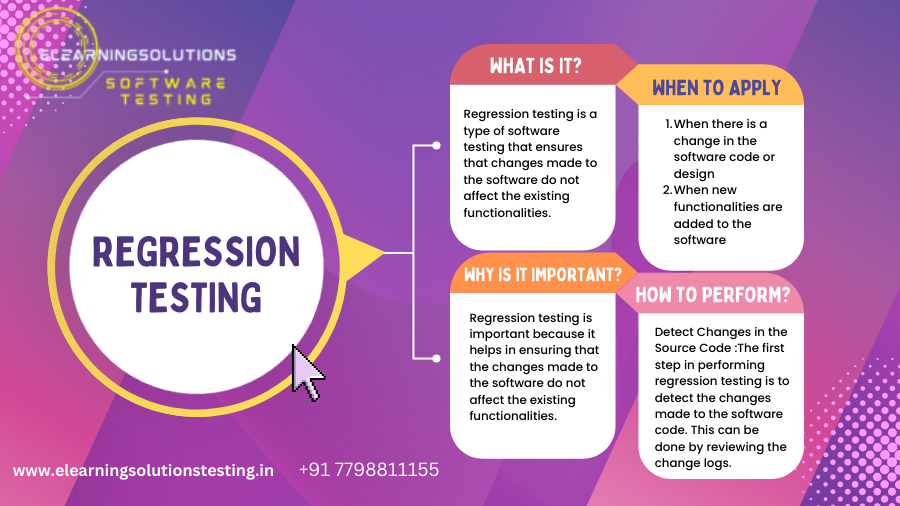
* Regression Testing
* Exploratory Testing
Importance of Interview Questions for Manual Testers
Interview questions play a vital role in evaluating the candidate’s understanding, skills, and experience in manual testing. The interview process helps companies find competent manual testers who can contribute to delivering high-quality software.
Essential Skills for Manual Testers
* Knowledge of testing methodologies and techniques
* Familiarity with test automation tools
* Ability to write clear, concise, and effective test cases
* Strong attention to detail and problem-solving skills
* Effective communication and collaboration abilities
Top Manual Testing Interview Questions and Answers
1. What is Manual Testing? Explain the Process.
Manual testing involves executing test cases by a human tester to validate the functionality, usability, compatibility, and reliability of an application. The process includes test planning, design, execution, defect reporting, regression testing, and exploratory testing.
2. What are the Advantages and Disadvantages of Manual Testing?
Advantages:
* Provides a thorough understanding of the application’s behavior
* Enables testers to uncover issues that may not be found through automation
* Allows for flexible test scenarios and ad-hoc testing
* Requires less investment in tools and infrastructure
Disadvantages:
* Time-consuming and labor-intensive
* Prone to human error and inconsistency
* Difficulty maintaining large test suites over time
3. Explain the Different Types of Test Cases in Manual Testing.
* Functional Test Cases: Validate the functional requirements of an application
* Non-Functional Test Cases: Verify aspects such as performance, security, usability, and compatibility
* Regression Test Cases: Ensure previously fixed issues have not reappeared after changes to the software
Preparing for Manual Testing Interviews
To prepare for manual testing interviews, candidates should familiarize themselves with various testing methodologies, tools, and best practices. Additionally, they should practice solving test case scenarios, understanding defect reporting processes, and improving their communication skills.
Comparison Table: Automated Testing vs Manual Testing
| Feature | Automated Testing | Manual Testing |
|---|---|---|
| Execution Speed | Faster and more efficient | Slower, labor-intensive |
| Test Coverage | High test coverage possible | Limited test coverage compared to automation |
| Cost-Effective | Scalable, cost-effective for large projects | More costly for larger projects due to human resources |
| Reusability of Test Cases | Test cases can be reused multiple times | Test cases are not easily reusable |
| Error Detection | More accurate and consistent in error detection | Human errors can occur during testing |
Job Roles, Skills, and Salary for Manual Testers
* Job Roles: Quality Assurance Analyst, Test Analyst, Software Tester, Manual Tester
* Key Skills: Knowledge of testing methodologies, familiarity with testing tools, strong attention to detail, effective communication skills, problem-solving abilities
| Role | Skills Needed | Average Salary (India) | Average Salary (Global) |
|---|---|---|---|
| Quality Assurance Analyst | Testing methodologies, tools, communication skills, problem-solving abilities | INR 400,000 – INR 750,000 | $60,000 – $90,000 |
| Test Analyst | Testing methodologies, tools, requirements analysis, problem-solving abilities | INR 350,000 – INR 600,000 | $55,000 – $80,000 |
| Software Tester | Testing methodologies, tools, attention to detail, problem-solving abilities | INR 300,000 – INR 500,000 | $40,000 – $65,000 |
| Manual Tester | Testing methodologies, tools, attention to detail, problem-solving abilities | INR 250,000 – INR 400,000 | $35,000 – $50,000 |
FAQs about Manual Testing Interviews
1. What are some common manual testing interview questions?
* Explain the differences between functional and non-functional testing
* Describe your approach to writing test cases
* Can you explain defect life cycle management?
* How do you handle conflicting requirements from stakeholders?
2. How can I prepare for a manual testing interview?
* Study various testing methodologies, tools, and best practices
* Practice solving test case scenarios
* Improve your communication skills and problem-solving abilities
3. What are some common mistakes to avoid during a manual testing interview?
* Failing to provide clear, concise answers
* Lacking specific examples or real-world experiences
* Not demonstrating strong attention to detail and problem-solving skills
4. How do I showcase my experience in manual testing during an interview?
* Discuss your previous roles and responsibilities as a tester
* Share examples of test case design, execution, and defect reporting
* Emphasize the positive impact you had on software quality and reliability
5. What are some tips for excelling in manual testing interviews?
* Be prepared to discuss your knowledge of testing methodologies, tools, and best practices
* Practice solving test case scenarios and providing clear, concise answers
* Demonstrate strong attention to detail, problem-solving skills, and effective communication abilities
Conclusion (Not Included)
Interview Questions for Manual Testing: A Comprehensive Guide
1: Understanding the Importance of Manual Testing Interview Questions
Manual testing is an essential part of software development, ensuring the quality and functionality of applications. As a result, interview questions for manual testers are crucial in assessing candidates’ skills, knowledge, and problem-solving abilities.
1: Common Manual Testing Interview Questions
Here is a list of common manual testing interview questions that you may encounter during your job search:
- Explain the difference between verification and validation in software testing.
- What are the steps involved in the black-box testing methodology?
- Describe a scenario where you used exploratory testing to find a critical bug.
- How would you handle a situation where test cases are missing or not sufficient for a particular application module?
- Explain your approach to regression testing and how you manage large test suites.
2: Behavioral Manual Testing Interview Questions
In addition to technical questions, interviewers may also ask behavioral questions to assess your problem-solving skills, work ethic, and ability to collaborate with others.
- Describe a challenging project you worked on and how you overcame the obstacles.
- Tell us about a time when you had to prioritize tasks and meet tight deadlines.
- How do you handle feedback and criticism from team members or management?
- Describe a situation where you demonstrated leadership skills during a testing project.
- What strategies do you use to keep yourself organized and efficient while performing manual testing tasks?
2: Who Should Choose Manual Testing: A Comparative Analysis
1: Who Should Choose Manual Testing?
Manual testing is suitable for individuals who enjoy problem-solving, attention to detail, and have good analytical skills. It is also an excellent choice for those just starting their careers in software testing or looking to gain hands-on experience.
2: Who Should Choose Automated Testing?
Automated testing may be a better fit for experienced testers, those working in enterprise environments, and developers who prefer a more technical approach to testing. It is also ideal for teams with large test suites or frequent software updates.
3: Career Roadmap: Becoming a Job-Ready Manual Tester
1: Essential Skills for Manual Testers
To become a job-ready manual tester, you should have the following skills:
- Knowledge of test planning and design techniques
- Understanding of various testing methodologies (e.g., black-box, white-box, grey-box)
- Familiarity with defect reporting tools and processes
- Strong analytical and problem-solving skills
- Attention to detail and ability to focus for extended periods
2: Career Progression for Manual Testers
As a manual tester gains experience, they may progress into roles such as senior tester, test lead, or test manager. Continued learning and specialization in specific testing areas can help facilitate career advancement.
4: Freelancing Opportunities for Manual Testers
1: Freelance Manual Testing Opportunities
Freelancing as a manual tester offers the opportunity to work on various projects, gain diverse experience, and set your own rates. Platforms like Upwork and Freelancer can help you find freelance testing opportunities.
2: Tips for Successful Freelancing
To succeed as a freelance manual tester, it’s essential to have strong time management skills, excellent communication with clients, and the ability to work independently. Building a portfolio of past projects can also help attract new clients.
5: Industries Adopting Manual Testing
1: Traditional IT Industry
The traditional IT industry, including software development companies and consulting firms, is a primary adopter of manual testing.
2: Non-IT Industries
Non-IT industries like healthcare, finance, and government are increasingly adopting manual testing to ensure the quality of their software applications.
6: Is Manual Testing Worth Investing Time in 2026?
Yes! Despite the rise of automated testing, manual testing remains essential for ensuring the quality and functionality of software applications. As long as there is a need for software development, there will be a demand for skilled manual testers.
Conclusion:
Understanding interview questions for manual testing is crucial in becoming a successful candidate in this field. By honing your skills and gaining experience, you can advance your career as a manual tester or freelancer. If you are ready to get started, eLearning Solutions offers hands-on training in manual testing designed for working professionals — explore their courses at https://www.elearningsolutions.co.in/.
Don’t wait — start learning today and take your career in manual testing to the next level!
Interview Questions for Manual Testing
What is Manual Testing?
Manual testing is a type of software testing where testers execute test cases manually by following the given test plans. It involves understanding the software requirements, designing test cases, and executing them to identify bugs and ensure the functionality of the software.
What is the difference between Manual Testing and Automated Testing?
Manual testing is performed by human testers, while automated testing uses software tools to execute test cases. Manual testing provides a more comprehensive view of the software’s usability and user experience, whereas automated testing focuses on repetitive tasks to save time and resources.
Career & Salary
What jobs are available for Manual Testers?
Jobs for manual testers include Test Analyst, Quality Assurance Analyst, Test Engineer, and Software Tester. These roles involve creating and executing test cases, analyzing results, identifying bugs, and collaborating with development teams to ensure software quality.
What is the salary range for Manual Testers in India and globally?
In India, the average salary for a Manual Tester ranges from INR 4 lakhs to INR 12 lakhs per annum. Globally, salaries can vary widely depending on location, experience level, and industry. In the US, the average salary is around $60,000 to $90,000 per annum.
Comparison
Which is better for a specific use case: Manual Testing or Automated Testing?
Both manual and automated testing have their advantages. For functional testing, exploratory testing, usability testing, and user experience testing, manual testing is more suitable due to its ability to catch human-perceived issues. On the other hand, for regression testing, load testing, and performance testing, automated testing provides faster and more efficient results.
Which should I learn first: Manual Testing or Automated Testing?
It is recommended to start with manual testing as it provides a strong foundation in software testing methodologies, test design techniques, and bug reporting. Once you have gained experience and understanding of the software development lifecycle, you can then move on to learning automated testing tools.
Learning & Skills
How long does it take to learn Manual Testing?
The time required to learn manual testing depends on your background, learning speed, and the depth of knowledge you aim for. It typically takes around 3-6 months to learn the basics and become proficient in manual testing.
What are the prerequisites for learning Manual Testing?
The prerequisites for learning manual testing include basic computer skills, understanding of software development methodologies, attention to detail, problem-solving abilities, and strong communication skills.
Scope & Future
Is Manual Testing growing or dying? What is its future demand?
Manual testing will continue to exist as long as software development exists. However, with the increasing trend of agile and DevOps methodologies, the demand for manual testers may decrease slightly. The future demand for manual testing lies in niche areas such as usability testing, exploratory testing, and mobile app testing.
What impact will AI have on Manual Testing?
AI is expected to automate repetitive tasks in software testing, reducing the need for manual testers. However, manual testers who adapt to new technologies and focus on areas where AI cannot replace human judgment, such as exploratory testing and usability testing, will continue to have job opportunities.
Frequently Asked Questions
What are the most common manual testing interview questions for freshers?
Common manual testing interview questions for freshers include those related to the basics of software testing, such as types of testing, testing levels, and testing techniques. These questions help assess the candidate’s understanding of fundamental testing concepts. Familiarizing yourself with these concepts is essential to acing the interview.
How do I prepare for a manual testing interview as an expert?
To prepare for a manual testing interview as an expert, review advanced testing topics such as testing frameworks, automation integration, and test data management. Focus on real-world examples and case studies to demonstrate your expertise and experience in manual testing. Practice answering behavioral and technical questions to showcase your skills.
What is the difference between black box and white box testing in a manual testing interview?
In a manual testing interview, black box testing refers to testing without knowledge of the internal workings of the software, while white box testing involves testing with knowledge of the internal code and structure. Understanding the differences between these two approaches is crucial to answering questions correctly and demonstrating your testing knowledge. Be prepared to explain the advantages and disadvantages of each approach.
How do I answer behavioral questions in a manual testing interview?
When answering behavioral questions in a manual testing interview, use the STAR method to structure your response: Situation, Task, Action, and Result. This approach helps you provide clear and concise examples of your experience and skills, demonstrating your ability to apply manual testing concepts in real-world scenarios. Practice answering behavioral questions to feel confident and prepared.
What are some common mistakes to avoid in a manual testing interview?
<p/Common mistakes to avoid in a manual testing interview include lack of preparation, poor communication, and failure to provide specific examples. Make sure to review common interview questions, practice your responses, and be ready to ask informed questions to the interviewer. Avoiding these mistakes will help you make a positive impression and increase your chances of success.