In today’s fast-paced digital learning environment, quality assurance (QA) in eLearning is more critical than ever. A well-structured eLearning course can enhance engagement, improve retention, and ensure a seamless learning experience. However, without proper QA measures, learners may face technical glitches, poor content delivery, or accessibility issues, leading to frustration and disengagement.
This guide explores the importance of quality assurance in eLearning courses, key challenges, and best practices to ensure a high-quality digital learning experience.
What is Quality Assurance in eLearning?
Quality assurance in eLearning refers to the systematic process of evaluating and improving online courses to ensure they meet predefined standards of usability, functionality, and effectiveness. It involves:
- Content Accuracy: Ensuring that course materials are correct, relevant, and up to date.
- Technical Functionality: Checking that all features, including videos, quizzes, and interactive elements, work properly.
- User Experience (UX): Providing a seamless and intuitive navigation experience.
- Accessibility Compliance: Making the course inclusive for all learners, including those with disabilities.
- Performance Optimization: Ensuring the platform runs smoothly without lag or crashes.
Why is Quality Assurance Important in eLearning?
1. Enhances Learning Effectiveness
Poorly structured courses with incorrect or outdated information can mislead learners. QA ensures that all educational content is accurate, clear, and aligned with learning objectives.
2. Improves Engagement and Retention
If an eLearning course is interactive, visually appealing, and easy to navigate, learners are more likely to stay engaged. QA helps identify areas where content or design improvements are needed to enhance the learning experience.
3. Ensures Compatibility Across Devices and Platforms
Learners use different devices, including laptops, tablets, and smartphones. Cross-platform testing ensures the course functions seamlessly on all devices and browsers.
4. Reduces Technical Glitches and Errors
Broken links, missing media files, and slow-loading pages can frustrate users. QA helps detect and fix such issues before they impact learners.
5. Guarantees Compliance with Industry Standards
Many eLearning platforms need to comply with SCORM, xAPI, and WCAG accessibility guidelines. QA ensures that courses meet these standards for better tracking, reporting, and accessibility.
6. Builds Credibility and Trust
Organizations that deliver high-quality eLearning experiences establish themselves as credible sources of knowledge. A well-tested course enhances the brand’s reputation and increases learner satisfaction.
Best Practices for Quality Assurance in eLearning
1. Follow a Structured QA Process
Develop a step-by-step QA checklist covering content, functionality, usability, and performance testing.
2. Conduct Multiple Rounds of Testing
- Functional Testing: Ensures that all course features work correctly.
- Usability Testing: Evaluates ease of navigation and user experience.
- Performance Testing: Checks load times and responsiveness.
- Accessibility Testing: Verifies compliance with WCAG standards.
3. Test Across Different Devices and Browsers
Ensure the course runs smoothly on desktops, tablets, and mobile devices using different operating systems (Windows, macOS, Android, iOS).
4. Incorporate Feedback from Real Users
Beta testing with real learners helps identify usability issues and areas for improvement.
5. Automate Testing Where Possible
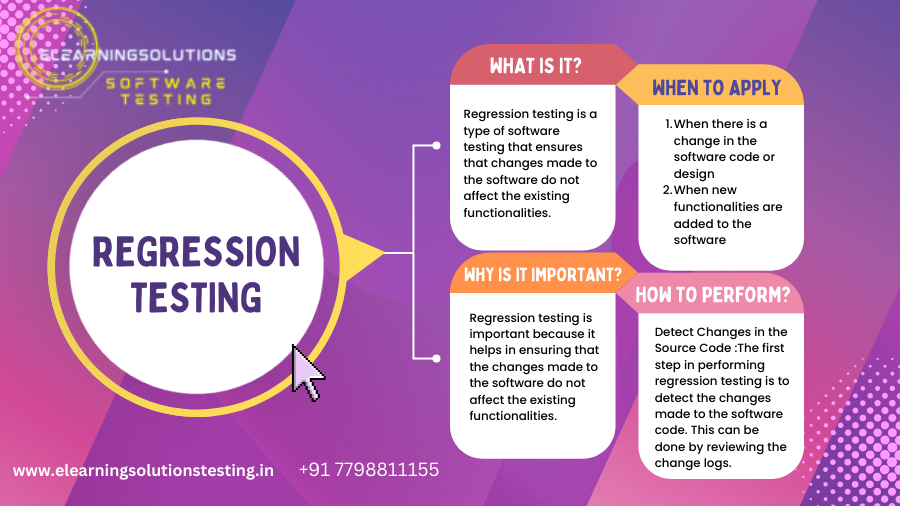
Use automated tools for regression testing to check course stability after updates.
6. Ensure Content Accuracy and Relevance
Regularly review course content to update outdated information and fix inconsistencies.
Final Thoughts
Quality assurance in eLearning is not just about fixing errors—it’s about creating an optimal learning experience that keeps users engaged and informed. By implementing robust QA processes, organizations can enhance course effectiveness, ensure learner satisfaction, and maintain their reputation in the digital education space.
The Art of Software Testing: Beyond the Basics
Automation testing course in Pune
Automation testing in selenium
Mastering Software Testing: A Comprehensive Syllabus
Frequently Asked Questions
What is the main purpose of quality assurance in eLearning courses?
Quality assurance in eLearning courses ensures that the course content is accurate, reliable, and engaging, providing learners with a high-quality learning experience. It helps to identify and fix errors, inconsistencies, and areas for improvement, resulting in better learner outcomes. By doing so, it enhances the overall effectiveness of the course.
How does quality assurance impact the credibility of an eLearning course?
A well-implemented quality assurance process significantly boosts the credibility of an eLearning course, as it demonstrates a commitment to excellence and attention to detail. This, in turn, increases learner trust and confidence in the course, leading to higher completion rates and more positive reviews. A credible course also reflects positively on the organization offering it.
What are the key benefits of implementing quality assurance in eLearning courses?
The key benefits of quality assurance in eLearning courses include improved learner engagement, increased knowledge retention, and enhanced overall learning experience. It also helps to reduce technical issues, minimize errors, and optimize course performance, resulting in cost savings and improved Return on Investment (ROI). Additionally, quality assurance supports continuous improvement and updates of the course content.
Can quality assurance be applied to existing eLearning courses?
Yes, quality assurance can be applied to existing eLearning courses to identify areas for improvement, update outdated content, and enhance the overall learning experience. This process involves reviewing the course content, assessing its effectiveness, and making necessary revisions to ensure it meets current standards and learner needs. By doing so, existing courses can be refreshed and made more relevant and engaging.
How often should quality assurance be performed on eLearning courses?
Quality assurance should be performed regularly on eLearning courses, ideally during the development phase, after significant updates, and periodically to ensure ongoing quality and relevance. This frequency may vary depending on the course type, content, and target audience, but regular assessments help to maintain high standards, address emerging issues, and incorporate learner feedback. Regular quality assurance also supports continuous improvement and adaptation to changing learner needs.