Manual Testing Openings: A Comprehensive Guide to Career Opportunities in 2026
1: The Growing Demand for Manual Testers
In the dynamic world of software development, testing plays a crucial role. With the increasing complexity of applications and the rise of agile methodologies, the demand for skilled manual testers has never been higher. This blog post will delve into the intricacies of manual testing, its importance, and the career opportunities it presents in 2026.
1: Who is a manual tester?
A manual tester is an individual who tests software applications by executing test cases, identifying defects, and reporting them to the development team. They work closely with developers and project managers to ensure that the final product meets the specified requirements and functions as intended.
2: The Role of a Manual Tester
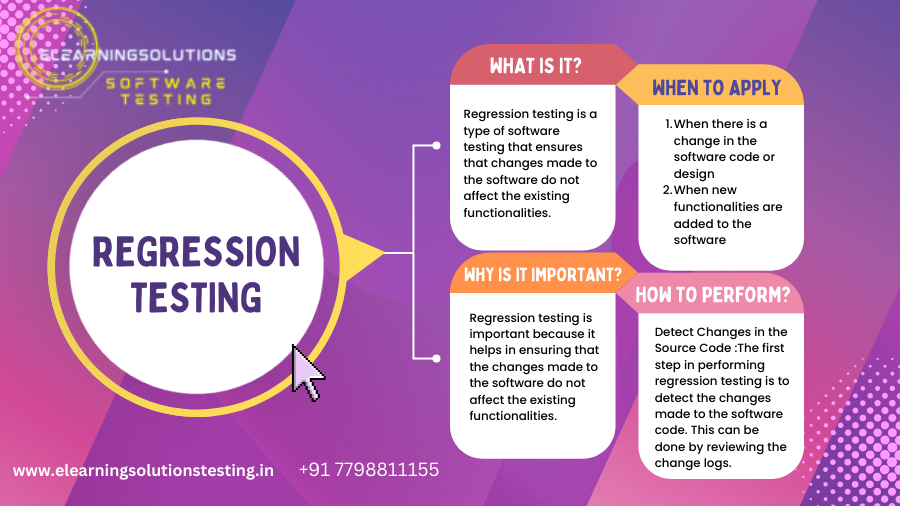
Manual testers are responsible for designing, executing, and documenting test cases. They also perform regression testing, functional testing, usability testing, and performance testing to ensure the software’s quality. Their role is pivotal in maintaining high standards of software reliability and user satisfaction.
2: The Importance of Manual Testing
In an era where automation reigns supreme, manual testing may seem antiquated. However, it remains a vital aspect of software development due to its ability to uncover issues that automated tools might overlook. Manual testing provides a human perspective, ensuring the software is user-friendly and meets business objectives.
1: Unique Advantages of Manual Testing
Manual testing offers several unique advantages, such as its ability to handle complex scenarios, test the user interface, and validate the software’s usability. It also allows testers to understand the application better, which can lead to more effective automation in the future.
2: The Future of Manual Testing
As technology advances, manual testing will continue to evolve. Testers will need to adapt to new methodologies, tools, and frameworks to stay relevant. The future of manual testing lies in its integration with automation and AI, providing a balanced approach to software testing.
3: Manual Testing Courses and Certifications
For those interested in pursuing a career in manual testing, numerous courses and certifications are available. These programs provide comprehensive training on various testing methodologies, tools, and best practices.
1: Popular Manual Testing Certifications
Some popular manual testing certifications include the ISTQB Certified Tester Foundation Level (CTFL), ISTQB Agile Tester Extension Level, and the Microsoft Certified: Test Engineer for Manual Testing. These certifications demonstrate a tester’s competency and commitment to quality.
2: Choosing the Right Course
When choosing a manual testing course, consider factors such as the course content, instructor qualifications, duration, cost, and recognition in the industry. A well-rounded course will provide you with the skills and knowledge necessary to excel in this field.
4: The Impact of Manual Testing on Different Industries
Manual testing is essential in various industries, including finance, healthcare, retail, and e-commerce. By ensuring the reliability and usability of software applications, manual testers play a crucial role in maintaining customer trust and satisfaction.
1: Finance Industry
In the finance industry, manual testing is critical for ensuring the accuracy and security of financial software applications. Testers must verify that transactions are processed correctly and that sensitive data remains secure.
2: Healthcare Industry
In healthcare, manual testing is essential for ensuring the functionality and usability of electronic health records (EHR) systems. Testers must verify that patient data is accurate, secure, and easily accessible to healthcare providers.
5: The Future of Manual Testing in eLearning Solutions
At eLearning Solutions, we recognize the importance of manual testing and strive to provide comprehensive training programs that prepare our students for successful careers in this field. Our courses cover various testing methodologies, tools, and best practices to ensure our students are well-equipped to meet the demands of the industry.
1: Our Manual Testing Courses
Our manual testing courses offer a balanced curriculum that covers both theoretical and practical aspects of testing. Students learn from experienced instructors, gain hands-on experience through real-world projects, and receive certification upon course completion.
2: Our Commitment to Quality
We are committed to providing our students with the highest quality education and support. Our dedication to excellence is reflected in our rigorous curriculum, experienced instructors, and comprehensive career services.
6: FAQs
Question 1: What skills are required for a manual tester?
A manual tester should possess strong analytical, problem-solving, and communication skills. Familiarity with various testing methodologies, tools, and frameworks is also essential.
Question 2: How long does it take to become a manual tester?
The time it takes to become a manual tester depends on factors such as the individual’s prior experience, dedication to learning, and the quality of the training program. A well-structured course can help students acquire the necessary skills in a relatively short period.
Question 3: What is the job outlook for manual testers?
The job outlook for manual testers remains strong, with numerous opportunities available across various industries. As software applications become more complex, the need for skilled manual testers will continue to grow.
Question 4: What are some common challenges faced by manual testers?
Manual testers may face challenges such as time constraints, ever-changing requirements, and the need to maintain objectivity while testing their own work. However, these challenges can be effectively addressed through proper planning, communication, and collaboration.
Question 5: How can I prepare for a career in manual testing?
To prepare for a career in manual testing, consider enrolling in a comprehensive course that covers various testing methodologies, tools, and best practices. Gaining hands-on experience through internships or real-world projects can also help you stand out in the job market.
Conclusion: Embrace the Future of Manual Testing
Manual testing may seem like a relic of the past, but its importance in ensuring software quality and user satisfaction is undeniable. With a growing demand for skilled manual testers and numerous opportunities across various industries, this field presents an exciting career path for those with a passion for technology and attention to detail.
Whether you’re a fresh graduate or a seasoned professional looking to switch careers, consider pursuing a career in manual testing. With the right training and dedication, you can seize the numerous opportunities that lie ahead in this ever-evolving field.
Manual Testing Openings in 2026: A Comprehensive Guide
1: Understanding Manual Testing and Its Importance
In the rapidly evolving world of software development, testing plays a crucial role in ensuring the quality and functionality of applications. Among various testing methodologies, manual testing remains a significant approach due to its ability to provide a human touch, especially for complex scenarios and user interface issues.
1: What is Manual Testing?
Manual testing refers to the process of executing test cases designed by testers or developers without using automated tools. Testers manually interact with the software, checking its functionality and identifying issues based on their observations.
2: The Role of Manual Testing in Software Development
Manual testing plays a vital role in ensuring software quality by:
– Validating the user interface and user experience (UX)
– Verifying complex business logic and error handling
– Identifying usability issues and accessibility concerns
– Providing feedback for improvements and enhancements
2: Syllabus Breakdown for Manual Testing Courses
Manual testing courses cover a wide range of topics to equip learners with the necessary skills. Some common areas covered include:
– Introduction to manual testing methodologies
– Test planning and design
– Test case creation and execution
– Test data management
– Bug reporting and tracking
– Test automation fundamentals
1: Top Manual Testing Training Platforms
Several platforms offer comprehensive manual testing courses, including:
– Bright-Minds (https://bright-minds.in/)
– eLearning Solutions (https://www.elearningsolutions.co.in/)
– Udemy
– Coursera
– edX
2: Cost Comparison and Industry Demand
The cost of manual testing courses varies depending on the platform, course duration, and level of detail. It is essential to research different options and compare costs before making a decision.
Regarding industry demand, the need for skilled manual testers continues to grow due to the increasing complexity of software applications and the ongoing debate about the limitations of test automation.
3: Exam Pattern and Difficulty Level
Manual testing certification exams typically assess a candidate’s understanding of various testing concepts, testing methodologies, and test case design principles. The difficulty level may vary depending on the specific course or certification.
1: Exam Structure
Exams usually consist of multiple-choice questions, true/false statements, and scenario-based problems. Some exams may also include practical tests where candidates are required to design test cases or perform manual testing tasks.
2: Exam Tips and Strategies
To increase the chances of passing the exam, follow these tips:
– Study regularly and thoroughly
– Practice with sample questions and mock tests
– Understand the syllabus and focus on key areas
– Join study groups or online forums for additional support
4: Salary by Experience Level
The salary for manual testers can vary depending on factors such as location, industry, and level of experience. Here is a rough breakdown:
| Experience Level | Average Annual Salary (in INR) |
|—————–|——————————|
| Entry Level | 3,00,000 – 5,00,000 |
| Mid Level | 5,00,000 – 7,00,000 |
| Senior Level | 7,00,000 – 10,00,000 |
5: Job Market Demand for Manual Testers
The demand for manual testers remains strong across various industries, including IT services, e-commerce, banking, and healthcare. Key job roles for manual testers include:
– QA Analyst
– Test Engineer
– Test Coordinator
– Test Manager
FAQs:
Question 1: What is the difference between manual testing and automation testing?
Answer: Manual testing involves human testers interacting with the software to identify issues, while automated testing relies on scripts or tools to perform tests.
Question 2: Is manual testing still relevant in today’s technology-driven world?
Answer: Yes, manual testing remains essential for validating complex user interfaces, handling edge cases, and ensuring a human touch in the testing process.
Question 3: How long does it take to complete a manual testing course?
Answer: The duration of a manual testing course can vary depending on the platform and level of detail. Some courses may be self-paced, while others have set start and end dates.
Question 4: What skills are necessary for a career in manual testing?
Answer: Essential skills for manual testers include attention to detail, problem-solving abilities, good communication skills, and understanding of various testing methodologies.
Question 5: What is the future outlook for manual testing careers?
Answer: The demand for manual testers is expected to remain steady due to the ongoing need for software quality assurance, particularly in industries with high application complexity.
Conclusion:
Manual testing continues to be an essential aspect of ensuring software quality, particularly for complex user interfaces and scenarios beyond the reach of automated testing tools. By pursuing a manual testing course, individuals can acquire valuable skills and enter a growing job market with strong demand across various industries.
Manual Testing Openings: Unlocking a Rewarding Career Path in IT
1: Understanding the Importance of Manual Testing in IT Industry
**In today’s digital age, software testing plays a crucial role in ensuring the quality and reliability of software applications. Among various testing methodologies, manual testing remains a significant aspect due to its ability to detect human-induced errors that automation might miss.** Manual testing is a time-tested method where testers perform tests by hand and compare actual results with expected outcomes. This traditional yet effective approach continues to be essential in the IT industry for software development projects.
1: Key Technical Skills Required for Manual Testers
**To excel in manual testing, one must possess a blend of technical and soft skills.** Technical skills include understanding of testing methodologies, test planning, test case design, bug reporting, and defect tracking. Soft skills like analytical thinking, problem-solving abilities, communication skills, and attention to detail are also vital for success in this field.
2: The Advantages of Mastering Manual Testing
**Pursuing a career in manual testing offers several benefits.** Firstly, it provides opportunities to work on diverse projects and gain exposure to various software applications. Secondly, manual testers are always in demand due to the continuous growth in software development. Lastly, mastering manual testing can lead to higher salaries as one progresses through their career.
2: Career Growth Opportunities for Manual Testers
**A career in manual testing opens up numerous growth opportunities.** With experience and expertise, a manual tester can advance to roles like Senior Manual Tester, Test Manager, or even Quality Assurance (QA) Manager. These higher positions come with increased responsibilities, better pay packages, and opportunities for leadership roles.
1: Skills that Complement a Career in Manual Testing
**Besides technical skills, several soft skills can aid a manual tester’s career growth.** These include excellent communication skills to liaise with developers and stakeholders effectively, strong problem-solving abilities to identify and resolve complex issues, and adaptability to quickly learn new testing methodologies and tools.
2: Perks and Benefits of Working in Manual Testing
**A career in manual testing offers several perks and benefits.** These include competitive salaries, opportunities for continuous learning and skill development, flexible work hours, and a stable job market due to the ever-growing need for software applications.
3: eLearning Solutions – Your Gateway to Mastering Manual Testing
**If you’re interested in pursuing a career in manual testing, consider enrolling at eLearning Solutions in Pune.** Their comprehensive course covers all aspects of manual testing, preparing you for a successful career in IT. With experienced instructors and a supportive learning environment, eLearning Solutions is the perfect choice to kickstart your journey towards becoming a skilled manual tester.
Conclusion
**Manual testing offers a rewarding career path with numerous growth opportunities and benefits.** By honing both technical and soft skills, one can excel in this field and advance to higher positions. For those interested in pursuing manual testing, eLearning Solutions provides the ideal platform for learning and skill development. Take the first step towards an exciting career in IT by enrolling at eLearning Solutions today. **[Visit their website](https://www.elearningsolutions.co.in/) to learn more about their courses and offerings.**
Manual Testing Openings: A Comprehensive Guide for 2026
1: Understanding Manual Testing and Its Importance
1: Manual testing is a software testing method that involves human testers to execute test cases, identify defects, and validate the functionality of an application. In this digital era, manual testing plays a crucial role in ensuring software quality and user satisfaction.
1: Why Manual Testing Matters
1: Manual testing offers several advantages over automated testing, such as the ability to test complex user interfaces, perform exploratory testing, and validate user experience.
2: The Role of Manual Testers in Agile Development
2: As agile development practices gain popularity, the role of manual testers has evolved to focus on collaboration, continuous testing, and ensuring software quality throughout the development lifecycle.
2: The Demand for Manual Testers in India and Globally
2: The demand for manual testers is high, with numerous job openings available in India and globally. Companies across various industries are looking for skilled manual testers to ensure the quality of their software products.
1: Job Roles and Responsibilities
1: Manual testers are responsible for creating test plans, executing test cases, reporting defects, and verifying the functionality of software applications. They work closely with developers, project managers, and other stakeholders to ensure software quality.
2: Growth Potential and Salary Expectations
2: With the increasing demand for quality software, the growth potential for manual testers is excellent. Salaries for skilled manual testers can range from INR 3 to 10 lakhs per annum in India.
3: Eligibility and Prerequisites for a Career in Manual Testing
3: To pursue a career in manual testing, you should have a bachelor’s degree in computer science or a related field. Familiarity with various software testing methodologies and tools is essential.
1: How to Start a Career in Manual Testing
1: To start a career in manual testing, you can enroll in a training program at a reputable institute like eLearning Solutions. This will provide you with the necessary skills and knowledge to excel in this field.
2: Best Platforms for Learning Manual Testing
2: There are several online platforms where you can learn manual testing, such as Coursera, Udemy, and edX. These platforms offer courses tailored to different skill levels.
4: Comparing Manual Testing with Automated Testing
4: While both manual and automated testing have their advantages, understanding the differences between the two can help you make informed decisions about which method to use in specific situations.
1: When to Use Manual Testing
1: Manual testing is ideal for tasks that require human judgment, such as usability testing, exploratory testing, and testing complex user interfaces.
2: When to Use Automated Testing
2: Automated testing is useful for repetitive tasks, regression testing, and performance testing. It can save time and resources compared to manual testing.
5: Future Scope of Manual Testing
5: The future of manual testing looks promising, with the increasing demand for quality software and the evolution of agile development practices. Manual testers will continue to play a crucial role in ensuring software quality in the years to come.
6: Tips for Learning Manual Testing Faster
6: To learn manual testing faster, you should focus on practical learning, collaborate with experienced testers, and stay updated with the latest trends in software testing.
1: Finding Freelancing Opportunities in Manual Testing
1: As a manual tester, you can find freelancing opportunities on platforms like Upwork, Freelancer, and Fiverr. These platforms offer a wide range of projects from clients worldwide.
2: Continuous Learning for Manual Testers
2: To succeed as a manual tester, you should continuously learn and adapt to new tools, methodologies, and trends in software testing.
Frequently Asked Questions
Question 1: What is the difference between manual and automated testing?
Answer: Manual testing involves human testers executing test cases, while automated testing uses software tools to perform repetitive tasks. Manual testing offers advantages such as human judgment and exploratory testing, while automated testing can save time and resources for repetitive tasks.
Question 2: How can I become a manual tester?
Answer: To become a manual tester, you should have a bachelor’s degree in computer science or a related field. You can enroll in a training program at a reputable institute like eLearning Solutions to gain the necessary skills and knowledge.
Question 3: What is the salary range for manual testers in India?
Answer: The salary range for skilled manual testers in India can range from INR 3 to 10 lakhs per annum, depending on factors such as experience and location.
Question 4: What are the best platforms for learning manual testing?
Answer: There are several online platforms where you can learn manual testing, such as Coursera, Udemy, edX, and eLearning Solutions.
Question 5: How do I find freelancing opportunities in manual testing?
Answer: You can find freelancing opportunities on platforms like Upwork, Freelancer, and Fiverr. These platforms offer a wide range of projects from clients worldwide.
Conclusion
Manual testing is an essential part of software development, ensuring quality and user satisfaction. With the increasing demand for quality software, the future of manual testing looks promising. By pursuing training at a reputable institute like eLearning Solutions, you can gain the necessary skills and knowledge to excel in this field.
Frequently Asked Questions
What are the basic requirements to get started with a career in manual testing?
To get started with a career in manual testing, you typically need a bachelor’s degree in computer science or a related field, as well as strong analytical and problem-solving skills. Additionally, familiarity with testing frameworks and methodologies is also beneficial. Basic computer programming knowledge is also a plus.
What are the different types of manual testing jobs available in the industry?
There are various types of manual testing jobs available, including test engineer, quality assurance engineer, software tester, and test lead. These roles may specialize in areas such as functional testing, usability testing, or compatibility testing. Each role requires a unique set of skills and expertise.
How do I prepare for a manual testing interview?
To prepare for a manual testing interview, review common testing concepts and methodologies, such as black box testing and test case development. Practice answering behavioral questions and be prepared to provide examples of your testing experience. It’s also a good idea to review the company’s products and services to understand their testing needs.
What are the career growth prospects for manual testers?
Manual testers have various career growth prospects, including moving into leadership roles, such as test lead or quality assurance manager, or specializing in areas like automation testing or DevOps. With experience, manual testers can also transition into related fields, such as business analysis or product management. Continuous learning and skill development are key to advancing in this field.
Are certifications necessary to become a successful manual tester?
While certifications are not always necessary, they can be beneficial in demonstrating your expertise and commitment to the field. Certifications like ISTQB or CSTE can provide a competitive edge in the job market and may be required by some employers. However, practical experience and a strong understanding of testing principles are also essential for success in manual testing.