Defect Tracking Overview

On a general level, defect tracking is one of the key components of the Defect Life cycle. This is crucial because, while testing software, test teams uncover multiple flaws that only become more noticeable when the system being tested is intricate. It can be difficult to manage and analyze these flaws in order to promote

Defect Tracking Overview Read More »

What Is A Defect?

The simplest definition of a defect is an error or flaw in an application that prevents it from operating normally by causing it to behave differently than expected. When a developer makes a mistake when developing or building an application, it is referred to as a defect when a tester discovers what went wrong. An

What Is A Defect? Read More »

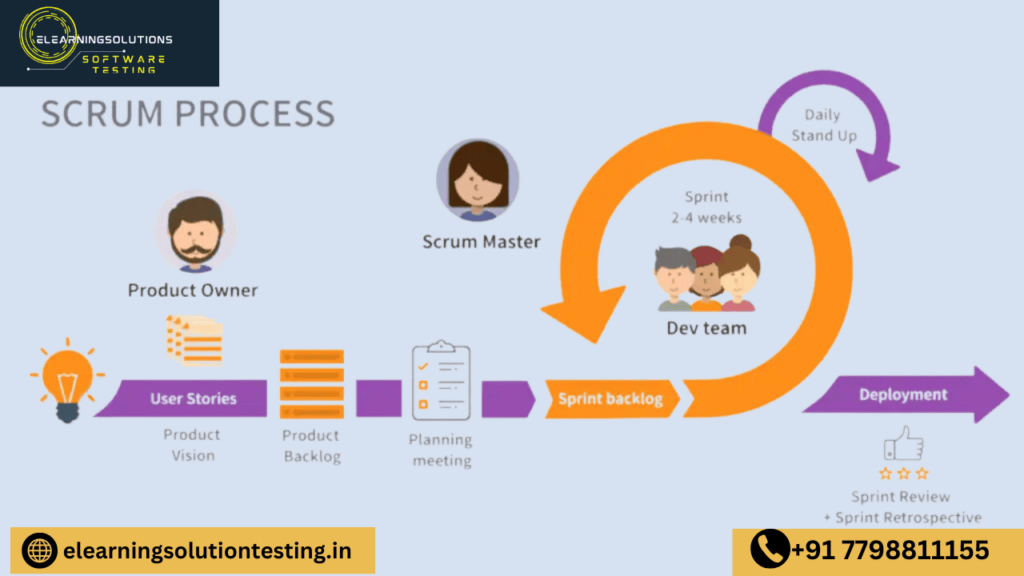
Scrum Methodology

SCRUM is a process in agile methodology which is a combination of the iterative model and the incremental model. One of the main drawbacks of the conventional Waterfall approach was that the application did not proceed to the second phase until the first was finished. In the unlikely event that changes are made later in

Scrum Methodology Read More »

Boundary Value Analysis

Boundary Value Analysis (BVA) is one of the most popular test case design methods since it is generally accepted that the input values at the input domain’s extremes (boundaries) lead to more system failures. These boundary values (extreme ends) could be just inside–just outside, start–end, lower–upper, or maximum–minimum. More application errors—that is, failures at lower

Boundary Value Analysis Read More »

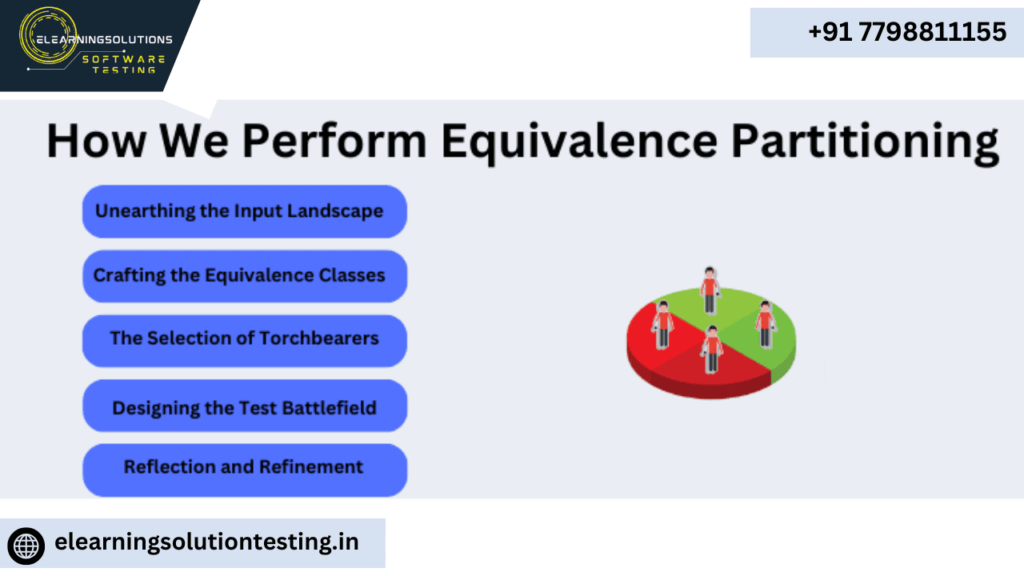
Equivalence Partitioning

This black-box testing technique is also referred to as Equivalence Class Partitioning (ECP). This test case design technique is typically used to reduce the total number of test cases to a finite set of testable test cases, still covering maximum requirements. This approach separates the input domain data—which includes a range of input values—into distinct equivalence data

Equivalence Partitioning Read More »

Scroll to Top