Become a Software Tester: Your Gateway to an Exciting and Rewarding Career
What is Software Testing, and Why Does it Matter?
Software testing is the process of evaluating software applications to identify any bugs, errors, or issues that may affect their functionality. It plays a crucial role in ensuring the quality, reliability, and user-friendliness of software products. In today’s digital age, where businesses heavily rely on software for their operations, software testing has become an essential part of software development.
The Importance of Software Testing
Software testing is critical to delivering high-quality software products. It helps ensure that the software functions as intended, meets user requirements, and performs efficiently under various conditions. By identifying and rectifying issues early in the development cycle, it also reduces the cost of fixing them later.
The Role of a Software Tester
A software tester is responsible for designing and executing test cases to verify that the software functions as expected. They work closely with developers throughout the development process, providing feedback on issues they encounter and suggesting improvements to the product. Software testers require strong analytical skills, attention to detail, and a knack for problem-solving.
Getting Started in Software Testing: A Step-by-Step Guide
Education and Training Requirements
To become a software tester, you typically need a bachelor’s degree in computer science or a related field. Some employers may also require certification in software testing, such as the International Software Testing Qualifications Board (ISTQB) Certified Tester.
Skills and Competencies
Software testers need strong programming skills, knowledge of various testing methodologies, and a good understanding of software development lifecycles. They should also have excellent communication skills to collaborate effectively with developers and other stakeholders.
| Entry-Level Requirements | Overview | |
|---|---|---|
| Education: | Bachelor’s degree in computer science or a related field | Related certifications such as ISTQB Certified Tester may be required by some employers. |
| Experience: | No formal experience required for entry-level positions | Practical experience can be gained through internships or projects during education. |
| Skills: | Programming skills, knowledge of testing methodologies, understanding of software development lifecycles | Excellent communication and problem-solving skills are essential. |
Become a Software Tester: A Comprehensive Guide for Success in 2026
Subheading 1: Essential Skills Required to Succeed as a Software Tester
Tertiary Heading 1: Technical Knowledge and Programming Skills
A software tester must have a strong foundation in programming concepts, with proficiency in at least one programming language. Commonly used languages for software testing include Java, Python, C#, and JavaScript. Familiarity with databases like SQL is also essential to understand the data structures and relationships within an application.
Tertiary Heading 2: Understanding of Testing Methodologies and Tools
Software testers should be familiar with various testing methodologies such as black-box, white-box, and grey-box testing. Additionally, they must possess knowledge of test automation tools like Selenium, TestComplete, or Appium to streamline the testing process. Familiarity with defect tracking systems like Jira or Bugzilla is also beneficial for efficiently managing and reporting bugs.
Subheading 2: Comparing Software Testing Careers in Different Locations
Tertiary Heading 1: Salary Trends Across the Globe
The salary for software testers varies significantly depending on location. As of 2026, the highest-paying countries for software testing jobs include the United States, Germany, and Switzerland, with an average annual salary ranging from $65,000 to $85,000.
Tertiary Heading 2: Job Market Opportunities in Key Regions
The IT sector is booming in several regions worldwide, creating a high demand for software testers. Some of the key regions with promising job opportunities are North America, Europe, and Asia Pacific. Cities like San Francisco, London, and Bangalore offer numerous job openings for software testing professionals.
Subheading 3: A Breakdown of Experience Levels in Software Testing
Tertiary Heading 1: Entry-Level Roles and Responsibilities
Entry-level software testers, often referred to as junior testers or test analysts, are responsible for creating test plans, executing test cases, and reporting defects. They may work under the supervision of senior testers or test managers to gain experience and develop their skills.
Tertiary Heading 2: Mid-Level and Senior Roles
As software testers progress in their careers, they move into mid-level roles like test lead or senior software tester. These professionals take on more responsibilities such as managing a team of testers, defining testing strategies, and collaborating with developers to ensure the quality of software products. Senior software testers may also have opportunities for leadership roles within an organization, such as test manager or director of quality assurance.
Subheading 4: The Role of a Software Testing Training Institute
Tertiary Heading 1: Why Choose eLearning Solutions in Pune for Your Software Testing Training
eLearning Solutions is a renowned training institute located in Pune, India. They offer comprehensive software testing courses that cover various aspects of testing methodologies, tools, and techniques. Their experienced instructors provide personalized guidance to students, helping them develop the skills necessary for success in the competitive world of software testing.
Tertiary Heading 2: Course Offerings and Curriculum
eLearning Solutions offers a variety of courses tailored to different levels of experience, from beginner to advanced. Their curriculum covers essential topics like test automation, defect management, and exploratory testing, preparing students for the challenges they will face in the real world. The institute also provides practical, hands-on training using industry-standard tools and software.
Subheading 5: Key Factors to Consider When Choosing a Software Testing Training Institute
Tertiary Heading 1: Instructor Expertise and Industry Experience
When selecting a software testing training institute, it is crucial to ensure that the instructors possess extensive experience in the field. This guarantees that students receive valuable insights and practical advice from professionals who have successfully navigated the challenges of the industry.
Tertiary Heading 2: Course Content and Curriculum
The course content and curriculum should be comprehensive, covering all essential aspects of software testing. Students should learn various testing methodologies, tools, and techniques to ensure they are well-equipped for the job market. Additionally, practical, hands-on training using industry-standard tools is crucial for students’ success.
Subheading 6: Preparing for a Career in Software Testing
Tertiary Heading 1: Building a Strong Foundation with Self-Study
In addition to formal training, self-study is an essential aspect of preparing for a career in software testing. Students can enhance their knowledge by reading books, attending webinars, and participating in online forums dedicated to software testing. Practicing test automation scripts using open-source tools like Selenium will also improve students’ skills and make them more attractive to potential employers.
Tertiary Heading 2: Participating in Internships or Projects
Internships and projects provide real-world experience, enabling students to apply the concepts they have learned during their training. By participating in internships or working on personal projects, students can demonstrate their skills to potential employers, increasing their chances of landing a job in the competitive software testing market.
| Country | Average Salary (annual) |
|---|---|
| United States | $85,000 |
| Germany | €67,000 (approx. $76,000) |
| Switzerland | CHF85,000 (approx. $89,000) |
| United Kingdom | £42,000 (approx. $53,000) |
| India | INR3,50,000 (approx. $4,700) |
| Experience Level | Role Example |
|---|---|
| Entry-Level | Junior Tester / Test Analyst |
| Mid-Level | Test Lead / Senior Software Tester |
| Senior Level | Test Manager / Director of Quality Assurance |
Become a Software Tester: Your Ultimate Career Guide
Subheading 1: Navigating the Career Growth Path as a Software Tester
Tertiary Heading 1: Entry-Level Positions
A software testing career typically begins with entry-level positions such as Junior Test Analyst or Quality Assurance (QA) Automation Engineer. These roles provide a foundation in testing methodologies, tools, and best practices.
Tertiary Heading 2: Mid-Level Positions
As experience grows, software testers can progress to mid-level positions such as Test Engineer or Senior QA Analyst. These roles involve leading smaller teams and testing more complex systems.
Tertiary Heading 3: Senior and Leadership Roles
With significant experience, software testers can advance to senior positions such as Test Manager or Director of Quality Assurance. These roles involve overseeing entire testing teams and making strategic decisions about testing processes and tools.
Subheading 2: Essential Skills for a Successful Software Testing Career
Tertiary Heading 1: Technical Skills
Strong technical skills are essential for software testers. This includes proficiency in programming languages such as Java, C#, or Python, and understanding of testing tools like Selenium, JMeter, or TestComplete.
Tertiary Heading 2: Soft Skills
Soft skills are equally important for software testers. These include problem-solving abilities, strong communication skills, and attention to detail. A good software tester should be able to understand complex systems, identify bugs, and communicate effectively with developers and stakeholders.
Subheading 3: Perks and Benefits of a Career in Software Testing
Tertiary Heading 1: Job Security
Software testing is an essential part of the software development process, ensuring the quality and reliability of software products. As such, there is always a demand for skilled software testers.
Tertiary Heading 2: Competitive Salaries
Salaries for software testers are competitive compared to other IT roles. According to Indeed, the average salary for a Software Tester in India is around ₹500,000 per year.
Tertiary Heading 3: Opportunities for Continuous Learning
The field of software testing is constantly evolving, with new tools and technologies emerging regularly. This means that there are always opportunities for continuous learning and career growth.
Conclusion
A career in software testing offers numerous opportunities for personal and professional growth. With the right skills and a passion for technology, you can build a rewarding career in this exciting field. If you’re interested in pursuing a career in software testing, consider enrolling in a course at eLearning Solutions (https://www.elearningsolutions.co.in/). Their comprehensive training programs provide the knowledge and skills you need to succeed as a software tester. Start your journey today and unlock your potential!
Frequently Asked Questions About Becoming a Software Tester
What is software testing and why is it important?
Software testing is the process of evaluating a software application to determine if it meets its requirements, functions correctly, and provides value to users. It is essential as it helps identify bugs, errors, and other issues that can impact the software’s performance, security, and user experience. Software testing ensures that the final product delivered to the customers is reliable and stable.
What skills are required to become a software tester?
To become a successful software tester, you need strong analytical, problem-solving, and communication skills. Familiarity with programming languages, testing tools, and methodologies is also crucial. A good understanding of the software development life cycle (SDLC), quality assurance (QA) principles, and Agile/Scrum practices can help you excel in this field.
What qualifications are necessary to pursue a career as a software tester?
To start your journey as a software tester, having a Bachelor’s degree in Computer Science, Information Technology, or a related field is beneficial. However, many companies also offer opportunities for candidates with relevant experience and certifications such as ISTQB, CSTE (Certified Software Tester Engineer), or CTAL (Certified Test Analyst). Earning these certifications can enhance your credibility in the industry.
What is the average salary of a software tester in India?
The salary of a software tester in India varies based on factors like location, experience level, and company. On average, entry-level software testers can expect to earn between INR 250,000 – INR 400,000 per year. Senior software testers with more than five years of experience may earn upwards of INR 800,000 annually.
What are the career growth opportunities for software testers?
Software testing offers numerous growth opportunities. After gaining experience and expertise as a software tester, you can move on to roles like Test Lead, Test Manager, Quality Assurance Analyst, or even a Software Development Engineer in Test (SDET). A career in software testing can also provide a solid foundation for transitioning into other areas of software development.
What is the difference between manual and automated software testing?
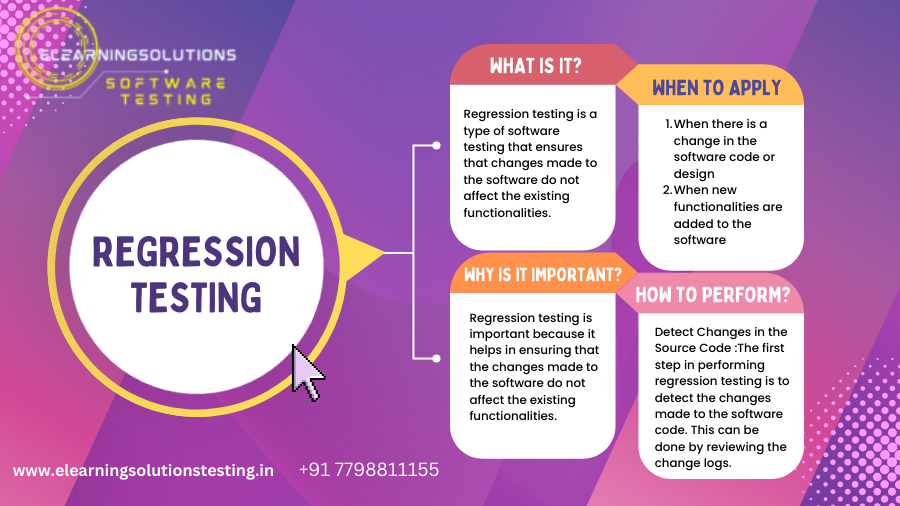
Manual testing involves executing test cases manually by human testers, while automated testing utilizes tools and scripts to perform repetitive tasks more efficiently. Manual testing is useful for exploratory testing and usability testing, while automated testing is ideal for regression testing, load testing, and performance testing.
How can I improve my chances of getting a job as a software tester?
To increase your chances of landing a job as a software tester, you should focus on building your technical skills, honing your problem-solving abilities, and acquiring relevant certifications. Additionally, participating in hackathons, open-source projects, or contributing to online forums can help demonstrate your passion and expertise in the field.
What are some popular software testing tools used by professionals?
Some widely used software testing tools include Selenium, JMeter, Postman, Appium, SoapUI, TestComplete, and TestLink. These tools aid in automating tests, managing test cases, and analyzing test results to streamline the testing process.
Frequently Asked Questions
What skills do I need to become a software tester?
To become a software tester, you need to have basic computer skills, knowledge of testing methodologies, and attention to detail. You should also have good analytical and problem-solving skills to identify and report defects. Additionally, having knowledge of testing tools and technologies is a plus.
Do I need to have a degree in computer science to become a software tester?
No, you don’t necessarily need a degree in computer science to become a software tester. Many software testers have degrees in other fields and have learned testing skills through training and experience. However, having a degree in computer science or a related field can be beneficial.
How long does it take to become a software tester?
The time it takes to become a software tester can vary depending on your prior experience and the amount of time you dedicate to learning. With dedicated effort, you can acquire the necessary skills and knowledge to become a software tester in a few months to a year. It’s also important to continue learning and updating your skills to stay competitive in the field.
What are the different types of software testing?
There are several types of software testing, including functional testing, performance testing, security testing, and usability testing. Each type of testing has its own set of techniques and tools, and software testers may specialize in one or more areas. Understanding the different types of testing can help you determine which area you want to specialize in.
How do I get started with a career in software testing?
To get started with a career in software testing, you can start by learning the basics of software testing, including testing methodologies and techniques. You can also practice testing by participating in online testing communities or by testing open-source software. Additionally, consider getting certified as a software tester to demonstrate your skills and knowledge to potential employers.