varad

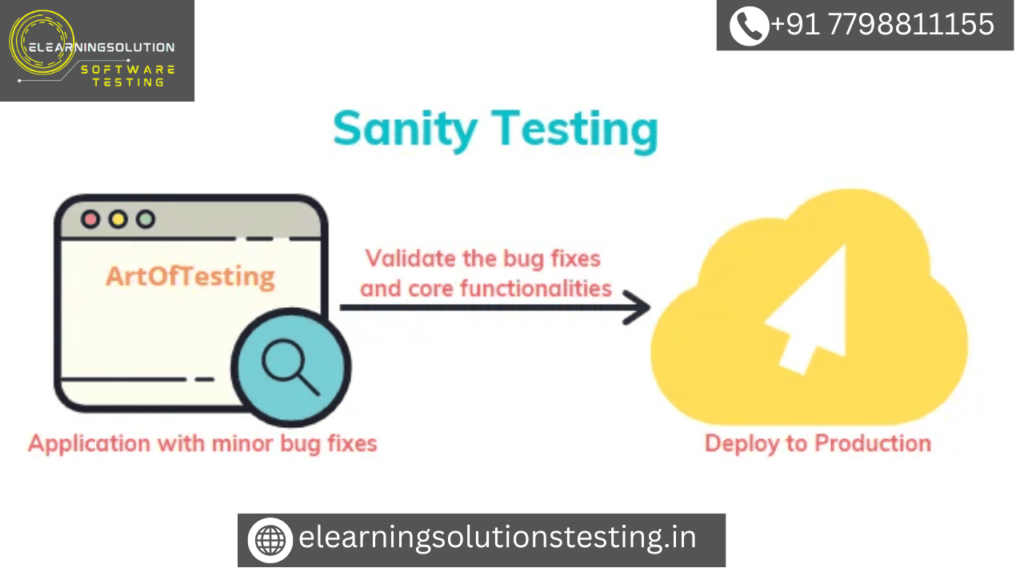
Sanity Testing

Sanity Testing is done when as a QA we do not have sufficient time to run all the test cases, be it Functional Testing, UI, OS or Browser Testing. Hence, we can define, Sanity testing is a type of test execution that touches on each implementation and its effects without going into great detail. Depending on

Sanity Testing Read More »

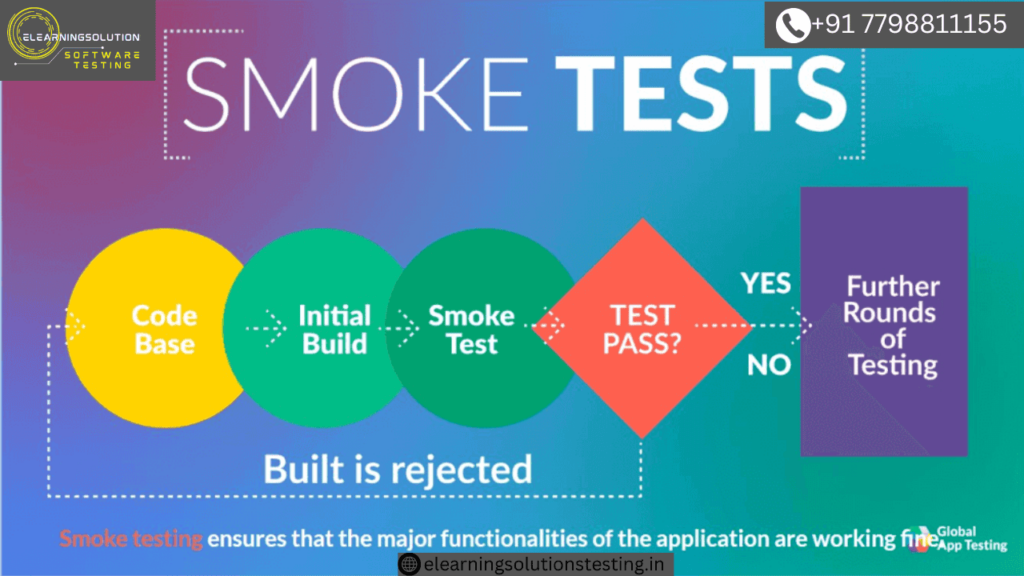
Smoke Testing

Smoke testing is a set of tests used to see if the fundamental features of a given build are operating as intended. It is not a comprehensive testing process. This is the initial test that should be performed on any “new” build. It is evidently impossible to test the complete build and instantly determine whether

Smoke Testing Read More »

Understanding System Testing

List of Tutorials: evaluating an integrated hardware and software system to ensure that it satisfies predetermined standards. Verification: The process of confirming through analysis and the presentation of impartial proof that certain conditions have been met. Integration testing is the process of combining modules A and B, B and C, or A and C in

Understanding System Testing Read More »

What is Unit Testing?

What is Unit Testing? Unit Testing is not a new concept. It’s been there since the early days of programming. Usually, developers and sometimes white box testers write Unit tests to improve code quality by verifying every unit of the code used to implement functional requirements (aka test driven development TDD or test-first development). The traditional definition,

What is Unit Testing? Read More »

Defect Tracking Overview

On a general level, defect tracking is one of the key components of the Defect Life cycle. This is crucial because, while testing software, test teams uncover multiple flaws that only become more noticeable when the system being tested is intricate. It can be difficult to manage and analyze these flaws in order to promote

Defect Tracking Overview Read More »

Scroll to Top