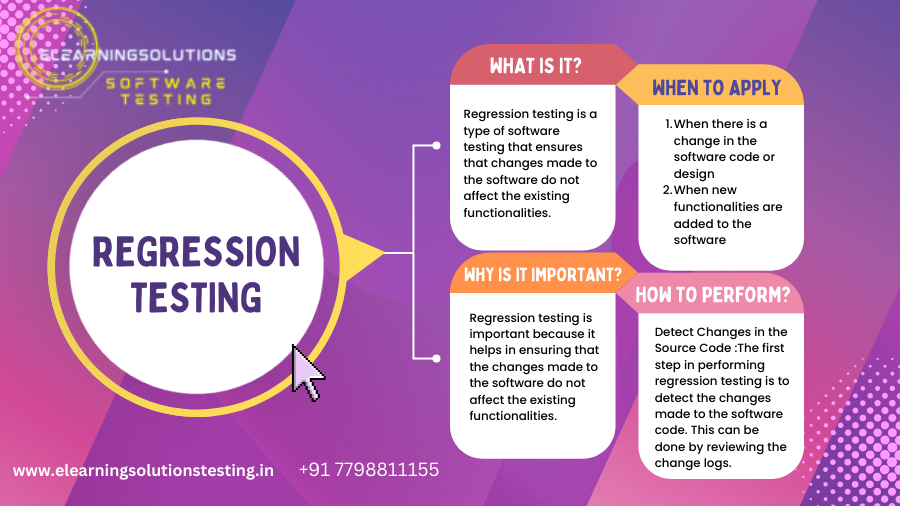
JUnit Jupiter: A Comprehensive Guide to Modern Java Testing
Introduction
Software applications are becoming more complex, and reliable testing is essential for delivering high-quality software. For Java developers, JUnit Jupiter provides a modern approach to writing and running automated tests.
JUnit Jupiter is part of the JUnit 5 platform and introduces several improvements over JUnit 4, including a cleaner programming model, parameterized testing, lifecycle management, extensions, and improved flexibility.
Whether you are a beginner learning Java testing, an experienced developer, or someone planning a career in test automation, understanding JUnit Jupiter can help you build more reliable and maintainable applications.
What Is JUnit Jupiter?
JUnit Jupiter is the programming model and test engine used for writing and executing tests with JUnit 5. It provides APIs and annotations that allow developers to create structured automated tests for Java applications.
With JUnit Jupiter, developers can:
-
Create unit and automated tests
-
Run tests efficiently
-
Test multiple input values
-
Manage test lifecycle events
-
Organize tests clearly
-
Generate useful test results
-
Extend testing functionality through extensions
-
Integrate testing with popular development environments and build tools
Its modern design makes it suitable for both new Java projects and projects migrating from older JUnit versions.
The Evolution from JUnit 4 to JUnit 5
JUnit has been an important testing framework in the Java ecosystem for many years. JUnit 5 introduced a redesigned architecture rather than simply providing a minor update to JUnit 4.
One of the major changes is the modular architecture of JUnit 5. It separates the platform, programming model, and test engines, making the framework more flexible.
JUnit Jupiter provides the programming model developers use to write modern JUnit 5 tests.
Some important improvements include:
-
A cleaner and more expressive API
-
Parameterized tests
-
Improved test lifecycle management
-
Extension mechanisms
-
Better support for modern development practices
-
Greater flexibility in organizing and executing tests
Why Is JUnit Jupiter Important?
Testing helps developers identify problems before software reaches users. Automated testing can reduce repetitive manual work and make it easier to verify that application functionality continues to work after code changes.
JUnit Jupiter helps developers create repeatable tests that can be executed as part of the software development process.
It can be particularly useful for:
-
Detecting bugs early
-
Validating application behavior
-
Supporting continuous development
-
Reducing repetitive testing
-
Improving code reliability
-
Making regression testing easier
-
Maintaining test suites as applications grow
JUnit-based testing is commonly associated with Java applications across areas such as finance, healthcare, e-commerce, enterprise software, and other technology-driven industries.
Key Features of JUnit Jupiter
JUnit Jupiter provides several features that make modern Java testing more efficient.
1. Parameterized Tests
Parameterized tests allow developers to execute the same test with multiple sets of input data.
Instead of creating separate test methods for every input, you can use a single test method and provide different values.
Common annotations include:
-
@ParameterizedTest -
@ValueSource -
@MethodSource
This approach can reduce duplicate test code and make test suites easier to maintain.
2. Test Lifecycle Management
JUnit Jupiter provides lifecycle annotations that allow developers to control what happens before and after tests.
For example, lifecycle methods can be used for:
-
Preparing test data
-
Initializing resources
-
Setting up a testing environment
-
Cleaning temporary resources
-
Closing connections
This makes it easier to manage test preparation and cleanup.
3. Extensions
JUnit Jupiter provides an extension model that allows developers to customize and extend test behavior.
Extensions can be used when additional functionality is required around the standard testing process.
This makes JUnit Jupiter flexible enough to work with different testing requirements and development environments.
4. IDE Integration
JUnit Jupiter can be integrated with popular Java development environments such as:
-
IntelliJ IDEA
-
Eclipse
-
NetBeans
Developers can create, execute, and review test results directly from their development environment.
5. Test Reports
Test execution provides information about successful and failed tests. These results help developers identify problems and understand which parts of an application require attention.
6. Test Organization
JUnit Jupiter supports a structured approach to organizing test classes and methods. Developers can use descriptive test names and annotations to make test suites easier to understand.
JUnit Jupiter vs JUnit 4
The move from JUnit 4 to JUnit 5 introduces several important changes.
| Feature | JUnit 4 | JUnit 5 / Jupiter |
|---|---|---|
| Architecture | Older monolithic approach | Modular architecture |
| Parameterized Testing | Available through additional approaches | Built into the Jupiter programming model |
| Extensions | Runner and Rule mechanisms | Extension model |
| Test Lifecycle | Supported | Enhanced lifecycle annotations |
| Test Organization | Traditional annotations | Modern programming model |
| Flexibility | More limited | More flexible and extensible |
| Modern Testing | Suitable for existing projects | Designed for modern Java development |
JUnit 5 is therefore more than a simple version update. It introduces a redesigned approach to Java testing.
How to Get Started with JUnit Jupiter
Getting started with JUnit Jupiter generally involves adding the required JUnit dependencies to your Java project.
For a Maven-based project, JUnit dependencies can be added to the pom.xml file.
A typical dependency configuration uses the JUnit Jupiter engine so that tests can be discovered and executed.
Once the dependency is configured, developers can create test classes and use JUnit Jupiter annotations to write automated tests.
A simple testing workflow looks like this:
Write Code → Create Test → Execute Test → Analyze Result → Fix Issues → Run Tests Again
This cycle can be repeated throughout the development process.
Best Practices for JUnit Jupiter
Writing tests is only part of effective test automation. Well-designed tests should also be readable, independent, and maintainable.
Keep Tests Small and Focused
A test should ideally verify a specific behavior rather than attempting to test many unrelated things at once.
Use Descriptive Test Names
Clear test names make it easier to understand what a test is verifying and why it failed.
Keep Tests Independent
Tests should avoid unnecessary dependencies on one another. Independent tests are easier to execute, debug, and maintain.
Avoid Unnecessary Duplication
Parameterized tests and reusable test utilities can help reduce repetitive code.
Maintain Your Test Suite
As application requirements change, tests should also be reviewed and updated. An outdated test suite can become difficult to maintain.
Technical Skills Needed to Learn JUnit Jupiter
A strong foundation in Java makes learning JUnit Jupiter easier.
Important skills include:
Java Programming
You should understand fundamental Java concepts such as:
-
Classes and objects
-
Methods
-
Variables and data types
-
Exceptions
-
Collections
-
Interfaces
-
Object-oriented programming
Understanding the Testing Lifecycle
Understanding how tests are prepared, executed, and cleaned up helps you use lifecycle annotations effectively.
Test Design
You should learn how to create meaningful test cases, select appropriate test data, and verify expected results.
Debugging
When a test fails, developers need to identify whether the problem is in the application code, test code, configuration, or test data.
Soft Skills for a Career in Test Automation
Technical knowledge is important, but successful test automation professionals also need strong communication and problem-solving skills.
Problem-Solving Skills
Testing often involves investigating unexpected behavior and identifying the root cause of failures.
Communication Skills
Test automation professionals regularly work with developers, testers, project managers, and other stakeholders. Clear communication helps teams understand testing results and technical issues.
Attention to Detail
Testing requires careful observation because small issues can sometimes cause significant application problems.
Career Opportunities with JUnit Jupiter
JUnit Jupiter is a valuable skill for professionals working with Java development and test automation.
Learning JUnit Jupiter can complement skills for roles such as:
-
Java Developer
-
Software Developer
-
Automation Test Engineer
-
QA Engineer
-
Software Test Engineer
-
SDET
-
Quality Assurance Analyst
JUnit Jupiter should generally be viewed as one component of a broader Java and test automation skill set rather than a standalone career qualification.
How JUnit Jupiter Can Support Career Growth
A practical learning roadmap can include:
Step 1: Learn Java fundamentals
Step 2: Understand software testing concepts
Step 3: Learn JUnit Jupiter and JUnit 5
Step 4: Practice writing automated tests
Step 5: Learn Maven or Gradle
Step 6: Explore Selenium or other automation tools
Step 7: Learn Git and CI/CD concepts
Step 8: Build practical testing projects
Step 9: Apply for Java development or test automation roles
Combining JUnit Jupiter with Java, automation tools, version control, and CI/CD knowledge can help build a stronger test automation profile.
Frequently Asked Questions
1. What is JUnit Jupiter?
JUnit Jupiter is the programming model and test engine used with JUnit 5 for writing and executing modern Java tests.
2. What is the difference between JUnit 4 and JUnit 5?
JUnit 5 introduces a redesigned architecture, a modern programming model, improved extension capabilities, parameterized testing, and enhanced lifecycle support compared with JUnit 4.
3. What are parameterized tests in JUnit 5?
Parameterized tests allow the same test method to be executed with different sets of input data.
4. Which annotations are used for parameterized tests?
Common annotations include @ParameterizedTest, @ValueSource, and @MethodSource.
5. Can I migrate JUnit 4 tests to JUnit 5?
Yes. JUnit 5 provides migration options, including the JUnit Vintage engine, which can help support existing JUnit 3 and JUnit 4 tests while teams gradually move toward the newer platform.
6. Is JUnit Jupiter useful for automation testing?
Yes. JUnit Jupiter is widely useful for automated testing of Java applications and can be combined with other testing and automation tools.
7. Do I need Java knowledge to learn JUnit Jupiter?
A basic understanding of Java programming is highly recommended because JUnit Jupiter is designed for testing Java applications.
Conclusion
JUnit Jupiter is an important part of modern Java testing. Its cleaner programming model, parameterized testing capabilities, lifecycle management, extension model, and integration with modern development environments make it a useful framework for Java developers and test automation professionals.
Whether you are starting your Java testing journey or upgrading from JUnit 4, learning JUnit Jupiter can help you develop better testing practices and create more maintainable automated test suites.
For learners looking to strengthen their Java and test automation skills, practical training combined with hands-on projects can provide a strong foundation for a career in software development and testing.