Mastering Selenium: The Essential Tool for Automated Testing
Introduction to Selenium
Selenium, an open-source tool, has revolutionized the software testing industry by enabling automated testing of web applications. Its popularity is soaring in 2026, as more companies recognize its potential for enhancing efficiency and ensuring high-quality software output. Whether you’re a fresher eager to embark on a career in software testing or an experienced professional looking to expand your skillset, Selenium is a must-learn.
What is Selenium?
Selenium is a suite of tools that facilitates the automation of web browsers for testing purposes. It supports multiple programming languages such as Java, Python, C#, and Ruby, making it highly versatile for various software projects.
Who is it for?
Selenium caters to a wide range of professionals: from freshers who want to kick-start their careers in software testing to experienced developers seeking to improve their efficiency and accuracy. It also appeals to career switchers looking to leverage their existing programming skills in a new domain.
Why Selenium Matters
The Role of Selenium in Today’s Tech Landscape
In the fast-paced world of software development, companies are under constant pressure to deliver high-quality applications quickly. Selenium plays a crucial role by automating repetitive testing tasks, reducing human error, and significantly improving efficiency.
Industry Adoption
The software industry has widely embraced Selenium due to its robustness, flexibility, and open-source nature. Companies ranging from startups to multinationals utilize Selenium for their testing needs.
Selenium in Action
Problem it Solves
Selenium addresses the challenge of manually testing web applications, which is time-consuming, error-prone, and expensive. By automating these tasks, Selenium reduces testing time, minimizes human errors, and frees up resources for other critical projects.
Its Usage in the Industry
Selenium is used extensively in the software industry for web application testing. Its ability to test dynamic web pages, interact with various browser types, and support multiple programming languages makes it a versatile tool for companies of all sizes.
Feature Overview
| Selenium Component | Description |
|---|---|
| WebDriver | Controls browsers for testing purposes. |
| Grid | Allows parallel execution of tests on multiple machines. |
| IDE (Integrated Development Environment) | Provides a platform for writing, debugging, and executing Selenium scripts. |
| RC (Remote Control) | Simplifies the process of writing tests by using a record-playback approach. |
FAQs
1. What programming languages does Selenium support?
Selenium supports Java, Python, C#, Ruby, and JavaScript.
2. Is Selenium open-source?
Yes, Selenium is an open-source tool maintained by a community of volunteers and contributors.
3. What kind of web applications can be tested using Selenium?
Selenium can test any web application that runs on a browser, including dynamic pages with AJAX, JavaScript, and cookies.
4. How does Selenium help in reducing human error during testing?
By automating repetitive tasks, Selenium eliminates the possibility of human errors that often occur during manual testing.
5. Can I use Selenium for mobile application testing?
No, Selenium is primarily designed for web application testing. For mobile app testing, you can consider tools like Appium or Calabash.
Conclusion
In today’s competitive software landscape, companies are constantly seeking ways to improve efficiency and reduce costs. Selenium offers a powerful solution by automating web application testing tasks, ensuring high-quality output, and empowering professionals with the skills they need to excel in their careers.
Mastering Selenium: A Comprehensive Guide for Automation Testers
What is Selenium?
Selenium is a popular open-source tool used for automating web applications for testing purposes. It’s primarily used for cross-browser testing, regression testing, and functionality testing of web applications.
Key Features of Selenium
Selenium offers a suite of tools that cater to various automation testing needs. Some of its key features include:
- Cross-platform compatibility: Selenium supports multiple operating systems, browsers, and programming languages.
- Open-source: It’s free to use, with an active community that contributes to its development and maintenance.
- Multiple programming languages: Selenium can be used with various programming languages such as Java, Python, C#, Ruby, etc.
How Selenium Works Technically?
Selenium works by using browser drivers to interact with the web applications. These drivers allow Selenium scripts to perform various actions such as clicking buttons, filling forms, and validating results.
Real-World Use Cases of Selenium
Selenium is used extensively in the software industry for automating web application testing. Here are some real-world use cases:
- Cross-browser compatibility testing: Developers can test their web applications across different browsers such as Chrome, Firefox, Safari, and Internet Explorer.
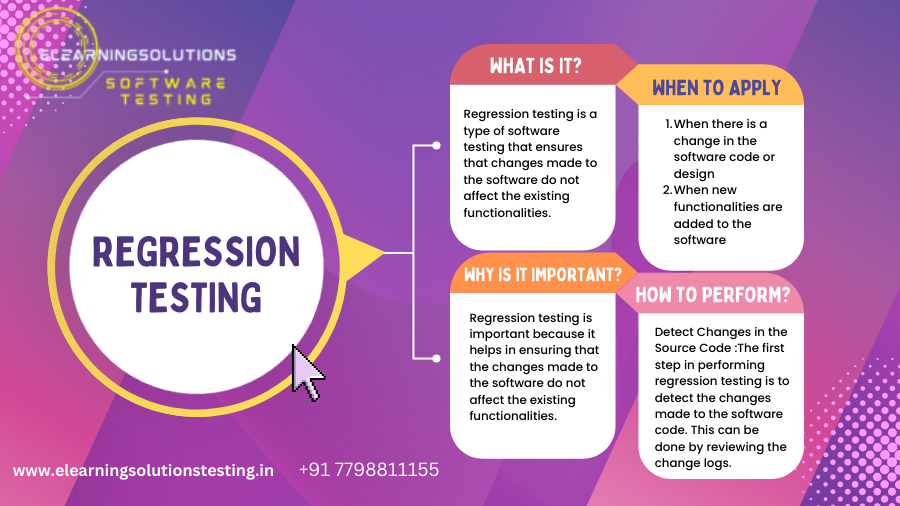
- Regression testing: Selenium can be used to retest the application after any changes have been made to ensure that no new bugs have been introduced.
- Load testing: Selenium can be used to simulate multiple users accessing the web application simultaneously, helping to identify performance issues.
Comparison with Competitor Tools
Selenium competes with other automation testing tools such as TestComplete and Appium. While each tool has its own strengths and weaknesses, Selenium’s open-source nature, cross-platform compatibility, and wide community support make it a popular choice among developers.
Companies Using Selenium
Many renowned companies use Selenium for automating their web application testing. Some examples include Google, Amazon, Facebook, Microsoft, and IBM.
Job Market Demand for Selenium Skills
The demand for Selenium skills is high in the job market. According to Indeed, the average salary for a Selenium tester in India is around ₹450,000 per annum.
Top Training Platforms for Learning Selenium
There are numerous online platforms that offer training in Selenium. Some popular ones include:
- eLearning Solutions (Pune): A reputed training institute offering comprehensive courses in Selenium.
- Coursera: Offers a Specialization in Software Testing that includes modules on Selenium.
- Udemy: Provides various courses on Selenium suitable for both beginners and advanced learners.
| Platform | Cost | Duration |
|---|---|---|
| eLearning Solutions (Pune) | ₹15,000 – ₹25,000 | 3-6 months |
| Coursera | Free (for audit), $39 per month (for certification) | 4 months |
| Udemy | ₹1,000 – ₹5,000 | 1-2 weeks |
FAQ:
Question 1:
What programming languages can I use with Selenium?
Selenium supports multiple programming languages such as Java, Python, C#, Ruby, and JavaScript.
Question 2:
How long does it take to learn Selenium?
The time required to learn Selenium depends on your prior programming experience. For beginners, a course of around 4-6 months is recommended.
Question 3:
Can I use Selenium for mobile app testing?
While Selenium is primarily used for web application testing, it can be extended to perform basic UI testing on Android applications using Appium.
Question 4:
Is Selenium suitable for load testing?
Selenium can be used for load testing, but it’s not as efficient as dedicated load testing tools. For heavy load testing, consider using tools such as JMeter or LoadRunner.
Question 5:
What are the prerequisites for learning Selenium?
Familiarity with at least one programming language and basic understanding of web technologies such as HTML, CSS, and JavaScript is recommended before starting a Selenium course.
Conclusion:
Selenium is an essential tool for automating web application testing. Its open-source nature, wide community support, and compatibility with multiple programming languages make it a popular choice among developers. With numerous training platforms available, learning Selenium has never been easier. Embrace the power of automation testing and elevate your software testing skills with Selenium.
Mastering Selenium: A Comprehensive Guide for a Rewarding Career in Test Automation
1: Unveiling the Career Growth Path in Selenium Test Automation
Selenium, an open-source testing tool, has revolutionized the software testing industry by simplifying test automation. The demand for Selenium experts is on the rise as more companies opt for agile methodologies and continuous integration, necessitating faster and efficient testing processes. A career in Selenium offers a promising growth path with various job roles such as Test Automation Engineer, QA Automation Engineer, and Software Developer In Test (SDET).
Entry-Level Roles in Selenium Test Automation
For fresh graduates or beginners, entry-level roles like Junior Test Automation Engineer or QA Analyst can be an ideal starting point. These positions require a strong understanding of programming languages such as Java, C#, Python, and Ruby, along with basic knowledge of Selenium WebDriver.
Mid-Career to Senior Roles in Test Automation
With experience and expertise in Selenium, professionals can advance their careers to mid-level positions like Test Automation Engineer or QA Automation Lead. Senior roles such as Test Automation Manager or Director of Quality Assurance demand a deep understanding of test automation strategies, team management, and project planning skills.
2: Essential Technical and Soft Skills for Selenium Professionals
Key Technical Skills for Mastering Selenium
To excel in Selenium, you must have a strong foundation in programming languages such as Java, C#, Python, or Ruby. Knowledge of other testing tools like TestNG, JUnit, and Maven is also beneficial. Familiarity with web technologies including HTML, CSS, and JavaScript, along with understanding the principles of Object-Oriented Programming (OOP), is crucial.
Important Soft Skills for Selenium Professionals
In addition to technical expertise, strong communication skills and the ability to collaborate effectively with cross-functional teams are essential. Problem-solving abilities and critical thinking skills help in identifying and resolving complex issues quickly. A passion for continuous learning and staying updated with the latest Selenium developments is also vital.
3: Perks and Benefits of Mastering Selenium
High Demand for Selenium Skills
The increasing adoption of agile methodologies has led to a surge in demand for test automation experts, particularly those skilled in Selenium. This high demand results in better job opportunities, higher salaries, and increased career growth potential.
Remote Work Opportunities and Freelancing Potential
The nature of test automation allows for flexibility in work arrangements. Many companies offer remote work options, while freelancers can also leverage their Selenium skills to work on a project-by-project basis from anywhere in the world.
Conclusion
Mastering Selenium opens doors to a rewarding career in test automation. With its high demand, attractive salary packages, and flexible work arrangements, it presents an excellent opportunity for professionals seeking growth and challenges in the tech industry. eLearning Solutions offers comprehensive training programs in Selenium to help you kickstart your journey towards success. Visit eLearning Solutions today to explore our course offerings and take a step closer to unlocking your potential.
Understanding Selenium: A Comprehensive Guide for Aspiring Testers
Introduction to Selenium
Selenium is an open-source tool used for testing web applications. It’s a powerful suite of browser automation tools that enables users to perform various tasks like running tests, debugging, and maintaining web applications.
What are the key features of Selenium?
Selenium is renowned for its versatility and compatibility. Its key features include cross-browser testing, support for multiple programming languages (such as Java, Python, C#, Ruby), and integration with various build tools like Jenkins, Maven, and Ant.
Selenium Career & Salary
What roles can I pursue with Selenium skills?
With Selenium expertise, you can aim for positions such as QA Engineer, Automation Tester, or Software Developer in Test. These roles involve designing and implementing automated tests to ensure the quality and functionality of web applications.
What is the demand for Selenium professionals globally?
The demand for Selenium professionals remains high due to the growing importance of software testing and agile development methodologies. The global market for automation testing tools is projected to expand at a CAGR of 14.9% from 2020 to 2027.
What can I expect in terms of salary?
The salary for Selenium professionals varies based on factors like location, experience, and industry. In India, the average salary for a QA Engineer with Selenium skills ranges from INR 400,000 to INR 850,000 per annum.
Selenium Course & Tools Basics
What are the prerequisites for learning Selenium?
Basic knowledge of a programming language like Java, Python, or C# is required to learn Selenium effectively. Additionally, familiarity with HTML, CSS, and JavaScript will help in understanding web page structure and behavior.
How difficult is it to master Selenium?
Selenium can be learned by anyone who has a basic understanding of programming and web technologies. The learning curve may vary depending on the complexity of the application being tested, but overall, it’s considered accessible for aspiring testers.
Skills & Comparison
What skills are necessary to work with Selenium?
Besides programming skills, essential skills include debugging, test case design, and understanding of web application architecture. Additionally, familiarity with continuous integration (CI) tools such as Jenkins can be beneficial.
How does Selenium compare to other testing frameworks like Appium or TestComplete?
Selenium is primarily used for web application testing, while Appium supports both mobile web and native apps. TestComplete offers additional features like GUI testing. The choice between these tools depends on the specific requirements of the project at hand.
Scope & Tips
What is the future scope of Selenium?
With the increasing reliance on digital platforms and continuous delivery practices, the demand for automated testing tools like Selenium will continue to grow. This presents ample opportunities for professionals with relevant skills to excel in their careers.
What tips can help me learn Selenium faster?
Start by mastering the basics and gradually move on to more complex tasks. Practice coding, debugging, and maintaining test scripts regularly. Joining online communities like StackOverflow or participating in automated testing meetups can also enhance your learning experience.
Frequently Asked Questions
Question: What are the best platforms to learn Selenium?
Answer: Coursera, Udemy, and eLearning Solutions (https://www.elearningsolutions.co.in/) offer comprehensive courses on Selenium for beginners as well as experienced testers.
Question: Is it possible to freelance as a Selenium tester?
Answer: Absolutely! Freelancing offers opportunities to work on diverse projects, gain experience, and build your portfolio. Websites like Upwork, Fiverr, and Freelancer can help connect you with potential clients.
Conclusion
Selenium is an indispensable tool for anyone aiming to excel in the field of software testing. With a strong foundation in programming and web technologies, coupled with persistent practice and continuous learning, you can unlock endless opportunities in this exciting domain.
Frequently Asked Questions
What is Master Selenium and how will it help me in my testing career?
Master Selenium is a comprehensive guide for testers to learn and master the Selenium tool, which is widely used for automating web browsers. This course will help you gain hands-on experience in creating automated tests and improve your skills in software testing. By the end of this course, you will be able to create and run automated tests using Selenium.
Do I need to have prior experience in programming or testing to enroll in Master Selenium?
No prior experience in programming or testing is required to enroll in Master Selenium, as the course is designed to start from the basics and gradually move to advanced topics. However, having some basic knowledge of programming concepts and software testing principles can be beneficial. The course will cover all the necessary topics to get you started with Selenium.
What are the system requirements to access the Master Selenium course?
To access the Master Selenium course, you will need a computer with a stable internet connection, a compatible operating system, and a supported browser. The course is designed to be accessible on various devices, including desktops, laptops, and mobile devices. You will also need to install the necessary software and tools, which will be provided as part of the course.
How long will it take to complete the Master Selenium course and what kind of support will I get?
The duration of the Master Selenium course will depend on your pace and the amount of time you dedicate to learning. The course is designed to be self-paced, and you will have access to it for a specified period. You will also get support from instructors and a community of learners through discussion forums, email, and live sessions.
Will I get a certificate upon completion of the Master Selenium course and will it be recognized by employers?
Yes, upon completion of the Master Selenium course, you will receive a certificate of completion, which can be verified by employers. The certificate will demonstrate your skills and knowledge in using Selenium for automated testing, and it will be recognized by many employers in the industry. The course is designed to meet the industry standards, and the certificate will be a valuable addition to your resume.