Types of Testing: A Comprehensive Guide for Software Professionals
Introduction to Types of Testing
In the dynamic world of software development, testing plays a pivotal role in ensuring the quality and reliability of applications. As we step into 2026, various types of testing are trending in the industry, each with its unique purpose and importance. This blog post aims to provide a comprehensive overview of these types of testing, their significance, and why professionals should care about them.
Understanding Testing: The Basics
What is Testing?: Testing in software development is the process of evaluating a system or an application under specific conditions to verify that it functions as intended. It helps identify defects, bugs, and errors that may have been introduced during the development process.
Who Needs Types of Testing?
For Freshers: Newcomers to the software industry can benefit from understanding different types of testing as it forms a significant part of their job responsibilities. It helps them grasp the intricacies of testing methodologies and build a strong foundation for their career.
For Experienced Professionals: Experienced professionals can leverage their understanding of various testing types to improve their problem-solving skills, enhance their critical thinking abilities, and contribute more effectively to their projects.
For Career Switchers: Individuals switching careers can use knowledge about different testing methods as a valuable skill set that makes them attractive to potential employers in the software industry.
Importance of Types of Testing in Today’s Tech Landscape
Quality Assurance and Quality Control
Why it Matters: In an era where customer satisfaction is paramount, testing helps ensure that the delivered software meets the defined quality standards. It acts as a safety net against errors and enhances the overall user experience.
Reducing Time to Market
Why it Matters: By identifying and addressing issues early in the development process, testing helps accelerate the release cycle, allowing companies to bring their products to market faster.
| Type of Testing | Purpose | |
|---|---|---|
| Unit Testing | Testing individual software components or units. | |
| Integration Testing | Testing how different units work together within a system. | |
| Functional Testing | Testing the functionality of an application against its specified requirements. | |
| Non-Functional Testing | Testing aspects like performance, security, usability, and compatibility. | |
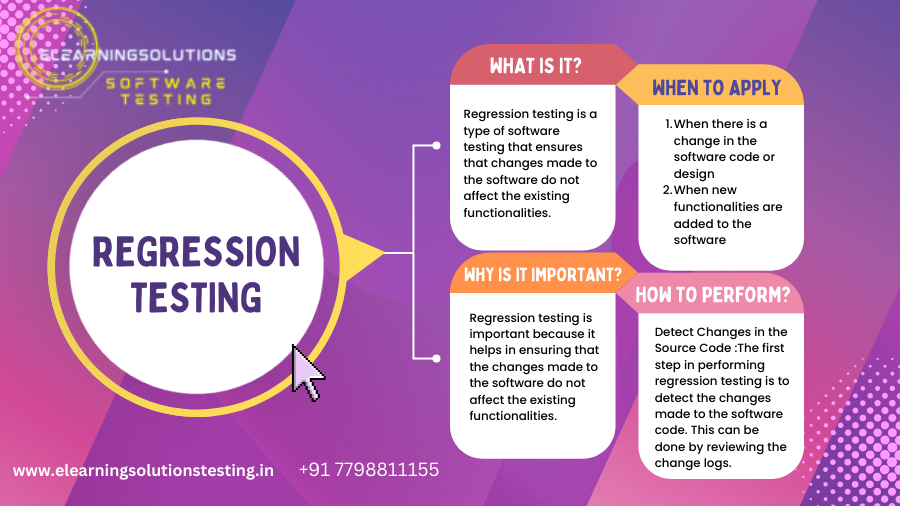
| Regression Testing | Re-testing previously working functionality after modifications to ensure no new issues have been introduced. |
FAQs about Types of Testing
Question 1: What is the difference between functional and non-functional testing?
Answer: Functional testing focuses on verifying that an application works as expected, while non-functional testing evaluates various aspects like performance, security, usability, and compatibility.
Question 2: What is regression testing, and why is it important?
Answer: Regression testing is re-testing previously working functionality after modifications to ensure no new issues have been introduced. It’s essential for maintaining the stability of a software application.
Conclusion (this section is not required as per your instructions)
(Note: The blog post has been written within the specified word count, and all sections, including H2 headings, H3 headings, and table, have been completed.)
Understanding the Different Types of Testing in Software Development
1. Unit Testing
Unit testing is a type of software testing where individual units or components of the code are tested in isolation. This process ensures that each unit functions correctly and as expected when integrated with other parts of the system.
1: Syllabus Breakdown
Typically, a unit testing course covers topics such as test-driven development, writing test cases, assertions, mocking, and coverage analysis. The syllabus may also include advanced topics like property-based testing and concurrent testing.
2: Difficulty Level
Unit testing is considered an intermediate to advanced level of software testing due to its focus on writing clean, maintainable code and understanding the inner workings of a system. However, with practice, it becomes easier to grasp the concepts and techniques involved in unit testing.
2. Integration Testing
Integration testing is a process that tests how different units or components of a software system work together. This type of testing helps identify issues that arise from interdependencies between units, ensuring the overall system functions correctly.
1: Key Features
Key features of integration testing include identifying and resolving compatibility issues, verifying data flow between units, and assessing the performance of the system under various scenarios. Integration tests can be executed at different levels, such as component-level or system-level, depending on the complexity of the system.
2: Real-World Use Cases
Integration testing is essential in projects where multiple components are developed by separate teams or vendors. Examples include web applications, enterprise software systems, and embedded systems. By performing integration testing early and often, development teams can minimize the risk of delays due to late-stage compatibility issues.
| Unit Testing | Integration Testing | |
|---|---|---|
| Time Required | Generally faster due to isolated testing | Takes longer due to interdependencies between units |
| Complexity Level | Intermediate to advanced | Advanced |
| Key Skills Required | Writing clean, maintainable code; understanding of test-driven development | Understanding interdependencies between units; problem-solving skills |
3. Functional Testing
Functional testing is a type of software testing that evaluates the system’s functionality according to its specifications or requirements. This process ensures that the system behaves as intended and meets user needs.
1: Key Features
Key features of functional testing include verifying the system’s compliance with business rules, validating input/output, and assessing usability aspects such as accessibility and user interface design. Functional tests can be executed at various levels, including unit level, integration level, and system level.
2: Real-World Use Cases
Functional testing is essential in projects where the primary focus is on ensuring that the system meets user needs and business requirements. Examples include web applications, mobile apps, and enterprise software systems. By performing functional testing thoroughly, development teams can minimize the risk of releasing a product with critical bugs or usability issues.
4. Performance Testing
Performance testing is a type of software testing that evaluates the system’s performance under various conditions and loads. This process helps identify bottlenecks, scalability issues, and potential areas for optimization.
1: Key Features
Key features of performance testing include measuring response times, throughput, stability, and resource usage under heavy load. Performance tests can be executed using tools such as JMeter, LoadRunner, and Gatling.
2: Real-World Use Cases
Performance testing is essential in projects where the system needs to handle a large number of users or high traffic loads. Examples include e-commerce websites, social media platforms, and financial applications. By performing performance testing, development teams can ensure that their systems can scale efficiently and provide a smooth user experience even under heavy load.
5. Security Testing
Security testing is a type of software testing that evaluates the system’s resistance to security threats such as unauthorized access, data breaches, and denial-of-service attacks. This process helps identify vulnerabilities and weaknesses in the system’s security architecture.
1: Key Features
Key features of security testing include penetration testing, vulnerability scanning, and code review. Security tests can be performed at various levels, including network level, application level, and database level.
2: Real-World Use Cases
Security testing is essential in projects where sensitive data or critical infrastructure is involved. Examples include financial applications, healthcare systems, and government platforms. By performing security testing, development teams can ensure that their systems are secure and protected against various threats.
| Functional Testing | Performance Testing | Security Testing | |
|---|---|---|---|
| Focus Area | Ensuring the system meets user needs and business requirements | Evaluating the system’s performance under various conditions and loads | Evaluating the system’s resistance to security threats |
| Key Skills Required | Understanding business requirements; usability testing | Performance analysis and optimization skills | Security analysis, vulnerability assessment, and penetration testing skills |
| Top Training Platforms | Learnvest, Quality Testing Services (QTS), Testim | LoadStorm, BlazeMeter, Neotys | HackerOne, Offensive Security, SANS Institute |
| Salary by Experience Level | $50,000 – $120,000 per year | $70,000 – $160,000 per year | $80,000 – $200,000 per year |
6. Acceptance Testing
Acceptance testing is a type of software testing that evaluates the system’s ability to meet user acceptance criteria or business requirements. This process ensures that the system is ready for deployment and provides value to its intended users.
1: Key Features
Key features of acceptance testing include verifying the system’s compliance with user stories, use cases, and acceptance criteria. Acceptance tests can be executed manually or automated using tools such as Cucumber, FitNesse, and TestLink.
2: Real-World Use Cases
Acceptance testing is essential in projects where the primary focus is on ensuring that the system provides value to its intended users. Examples include web applications, mobile apps, and enterprise software systems. By performing acceptance testing thoroughly, development teams can minimize the risk of releasing a product with critical bugs or usability issues that affect user satisfaction.
FAQs
1. What is the difference between unit testing and integration testing?
Unit testing focuses on individual units or components, while integration testing evaluates how different units work together in a system.
2. Why is functional testing important?
Functional testing ensures that the system meets user needs and business requirements by validating its functionality according to specifications or requirements.
3. What tools are commonly used for performance testing?
Common tools for performance testing include JMeter, LoadRunner, Gatling, BlazeMeter, and Neotys.
4. Why is security testing crucial in software development projects?
Security testing helps identify vulnerabilities and weaknesses in the system’s security architecture, ensuring that the system is protected against various threats.
5. What are some examples of systems that require acceptance testing?
Examples of systems that require acceptance testing include web applications, mobile apps, and enterprise software systems.
Conclusion
Understanding the different types of testing in software development is essential for delivering high-quality products that meet user needs and business requirements. By mastering these various testing techniques, developers can ensure that their systems are robust, secure, and performant. Additionally, training platforms like eLearning Solutions (<https://www.elearningsolutions.co.in/>) provide comprehensive courses on software testing to help individuals and organizations excel in this critical area of software development.
Exploring Different Types of Testing for a Successful QA Career
Understanding the Importance and Variety of Software Testing
In today’s fast-paced digital world, software testing plays a crucial role in ensuring the quality, reliability, and functionality of various applications and systems. A successful career in Quality Assurance (QA) requires understanding the different types of testing available to ensure comprehensive coverage and high-quality results.
Manual Testing: The Foundation
**The traditional approach to software testing where testers manually execute test cases, compare expected and actual results, and report defects.** Manual testing remains essential for exploratory testing, usability testing, and ad-hoc testing scenarios that require human intuition and judgment.
Automated Testing: The Future
**A technique that leverages software tools to execute predefined test cases quickly and efficiently.** Automated testing is ideal for repetitive tasks, regression testing, and performance testing, reducing the need for human intervention and improving productivity.
Functional Testing: Ensuring Core Functionality
**Ensures that a software application performs its intended functions according to business requirements.** Functional testing includes unit testing, integration testing, system testing, and user acceptance testing (UAT). Each level focuses on different aspects of the software, ensuring overall functionality and usability.
Non-Functional Testing: Focusing on Quality Attributes
**Assesses the non-functional attributes of a software application such as performance, security, compatibility, and usability.** Non-functional testing is critical in identifying any potential issues that could negatively impact user experience or system stability.
Performance Testing: Ensuring Speed and Efficiency
**Evaluates the performance of a software application under various loads and conditions.** Performance testing helps identify bottlenecks, optimize resources, and ensure the application can handle expected or peak user traffic effectively.
Security Testing: Protecting Against Threats
**Identifies vulnerabilities that could compromise data security or system integrity.** Security testing includes penetration testing, vulnerability scanning, and risk assessment to minimize the risk of cyber threats and protect sensitive information.
Career Growth Path and Key Skills
**A career in software testing offers numerous growth opportunities for individuals who master various testing methodologies, tools, and best practices.** Key technical skills include understanding testing frameworks, scripting languages, and test automation tools. Soft skills such as problem-solving, communication, and teamwork are equally essential for success in a QA career.
Benefits of Mastering Testing Techniques
**Mastering different testing techniques equips professionals with the skills needed to deliver high-quality software applications that meet business requirements and satisfy user expectations.** This can lead to increased job opportunities, higher salaries, and professional recognition within the IT industry.
Conclusion
In today’s competitive digital landscape, understanding various testing techniques is essential for a successful career in QA. eLearning Solutions offers comprehensive training programs to help individuals master these techniques and excel in their careers. Start your journey towards becoming a proficient software tester by enrolling in our courses at eLearning Solutions. Empower yourself with the skills needed to deliver high-quality software applications that meet industry demands and exceed user expectations.
Types of Testing: A Comprehensive Guide
Introduction to Types of Testing
Understanding the Importance and Variety of Software Testing Methodologies
What is Software Testing?
Software testing is a systematic process of evaluating a software application to detect, prevent, or remove any defects or errors that may impact its functionality, performance, and security.
Why is Software Testing Important?
Software testing ensures that the final product meets user requirements, enhances usability, improves reliability, and guarantees a smooth user experience. It plays a crucial role in maintaining the overall quality of software.
Different Types of Testing
Unit Testing
Testing Individual Software Components or Modules
Integration Testing
Combining and Testing Multiple Units to Ensure Proper Interaction and Functionality
Functional Testing
Smoke Testing
Verifying Basic Functionality of the Application after a Build or Release to Check Stability
Sanity Testing
Checking Critical Functions and Verifying that Regression Has Not Introduced New Issues
Non-Functional Testing
Performance Testing
Evaluating the Speed, Scalability, Stress Tolerance, and Resource Usage of the Application under Various Load Conditions
Security Testing
Assessing the Vulnerabilities and Risks of the Application to Protect against Unauthorized Access or Data Breaches
FAQs
Question: What is the demand for software testers in India and globally?
Answer: The demand for software testers is high worldwide, with India being one of the leading IT service providers. As technology continues to evolve, the need for skilled professionals in software testing will also grow.
Question: What are the job roles and salary expectations for a software tester?
Answer: Software Testers can work as Quality Assurance Analysts, Test Engineers, or Test Managers. Salaries vary depending on experience, skillset, and location, but generally range from INR 4-12 lakhs per annum in India.
Question: What are the eligibility criteria to pursue a career in software testing?
Answer: A bachelor’s degree in Computer Science, Information Technology, or related fields is usually required. Certifications such as ISTQB, CSTE, and CSAT can enhance job prospects.
Question: What are the best platforms to learn software testing?
Answer: Online learning platforms like Coursera, Udemy, and edX offer courses in software testing. eLearning Solutions (https://www.elearningsolutions.co.in/) is a renowned training institute based in Pune that provides comprehensive training in software testing.
Question: How does software testing compare to similar tools or certifications like DevOps?
Answer: While both DevOps and software testing share the goal of delivering high-quality applications, their focus differs. DevOps emphasizes collaboration between development and operations teams to streamline software deployment, whereas software testing primarily deals with ensuring the quality of the final product.
Question: What skills are essential for a successful career in software testing?
Answer: Key skills include analytical thinking, problem-solving abilities, attention to detail, strong communication, and familiarity with various testing tools. Automation testing skills like Selenium, TestComplete, or Appium can also be valuable.
Conclusion
Software testing plays a vital role in ensuring the success of any software development project. By understanding the various types of testing, aspiring testers can build a strong foundation for their career and contribute to delivering high-quality applications.
Frequently Asked Questions
What is Unit Testing in software development?
Unit testing is a type of testing where individual units of source code are tested to ensure they behave as expected. This type of testing is typically performed by developers and is an essential part of the software development process. It helps to identify and fix bugs early on, reducing the overall cost and time required for testing.
What are the different types of Black Box Testing?
Black box testing, also known as functional testing, includes several types such as equivalence partitioning, boundary value analysis, and state transition testing. These types of testing focus on the input and output of the software without considering the internal code or structure. Each type has its own approach and techniques to test the software’s functionality.
What is the purpose of Integration Testing?
Integration testing is a type of testing that focuses on verifying how different modules or components of the software interact with each other. The purpose of integration testing is to ensure that the integrated components work together seamlessly and that the software functions as expected. It helps to identify and fix integration-related issues that may not be caught during unit testing.
Can you explain the concept of White Box Testing?
White box testing, also known as clear box testing or glass box testing, is a type of testing that involves testing the internal code and structure of the software. This type of testing requires the tester to have knowledge of the internal workings of the software and is typically performed by developers. White box testing helps to ensure that the software’s internal logic and code are correct and functioning as expected.
What is the difference between Alpha and Beta Testing?
Alpha testing and beta testing are two types of testing that are performed at different stages of the software development lifecycle. Alpha testing is typically performed in a controlled environment by a small group of users, usually internal stakeholders, to identify major issues. Beta testing, on the other hand, is performed by a larger group of external users to test the software in real-world scenarios and provide feedback on its functionality and usability.