Manual Testing vs Automation Testing: A Comprehensive Comparison for Developers in 2026
Introduction
In the rapidly evolving world of software development, testing remains a critical component. Two popular testing methodologies are Manual Testing and Automation Testing. While both have their merits, understanding their differences can help developers make informed decisions about which approach to adopt in various scenarios.
What is Manual Testing?
Origins & Core Purpose
Manual testing, as the name suggests, involves human testers to perform various tests on software applications. Its origins can be traced back to the early days of software development when computers were not powerful enough to execute automated tests.
Architecture Basics
Manual testing relies heavily on test cases, which are designed by testers based on requirements and expected outcomes. Testers perform these test cases manually to identify bugs, validate functionality, and ensure the software meets quality standards.
What is Automation Testing?
Origins & Core Purpose
Automation testing emerged as a response to the growing need for faster and more efficient testing. With the advent of powerful computers, it became possible to automate repetitive test cases, thereby reducing human effort and increasing testing speed.
Architecture Basics
Automated tests are designed using test scripts written in programming languages like Java, Python, or Selenium. These scripts execute the tests automatically, making it possible to run tests quickly and repeatedly without human intervention.
Core Differences Between Manual Testing and Automation Testing
Execution Speed & Consistency
Automated tests can be executed much faster than manual tests, thanks to their ability to run simultaneously on multiple machines. This speed advantage is particularly significant for regression testing, where the same test cases are run repeatedly after each code change.
Cost & Time Efficiency
While manual testing may initially seem cheaper due to lower setup costs, it can become more expensive over time as testers need to be paid for every hour they work. On the other hand, automation tests can be run unattended and require minimal human intervention, making them cost-effective in the long run.
Scalability & Maintenance
Automated tests are easier to scale up as they can be parallelized, allowing for increased testing coverage. Moreover, once created, automated tests require less maintenance compared to manual test cases, which may need frequent updates as the application evolves.
Testing Coverage & Precision
Manual testers can often identify issues that automated tests might miss due to their intuition and ability to think outside the box. However, automation testing offers greater precision in executing test cases exactly as defined, ensuring consistency and reducing the risk of human error.
Choosing Between Manual Testing and Automation Testing
When to Use Manual Testing
Manual testing is best suited for exploratory testing, usability testing, and testing early prototypes where the focus is on gathering user feedback.
When to Use Automation Testing
Automated testing excels in regression testing, load testing, and performance testing scenarios that require rapid execution of test cases and high precision.
Conclusion (not part of the original brief)
Both manual testing and automation testing have their unique advantages. Understanding their differences can help developers make informed decisions about which approach to use in different scenarios. As technology continues to evolve, we can expect both methodologies to further refine their capabilities, ensuring that software remains robust and user-friendly.
Manual Testing vs Automation Testing: A Comprehensive Comparison for 2026
Performance Comparison
Speed
Automated tests execute faster than manual tests due to their ability to run concurrently and without human intervention. Manual testing, on the other hand, relies on a tester’s speed, which can vary significantly. According to a survey by TestingWhiz, automated tests are approximately 50% faster than manual tests.
Scalability
Automated tests offer better scalability as they can be run across multiple platforms and devices simultaneously. Manual testing, while flexible, often struggles to scale due to the time and resources required to test on various configurations. A report by TechBeacon reveals that automated tests can handle up to 10,000 test cases per day compared to manual testing’s average of 15-20 test cases daily.
Resource Usage
Manual testing consumes more resources in terms of time, manpower, and infrastructure. Automated tests, on the other hand, require initial setup costs but save significantly on ongoing maintenance and execution costs. According to a study by Cisco, businesses can save up to 80% in testing costs by adopting automated testing solutions.
Use Case Breakdown
When to Use Manual Testing
– Exploratory Testing: Manual testing is ideal for exploratory testing, where the tester needs to interact with the application to understand its functionality and identify potential issues.
– Usability Testing: User interface (UI) and user experience (UX) testing often require a human touch to evaluate intuitive design and user engagement.
– Ad hoc Testing: In situations where bugs are reported during production, manual testing is typically used for quick investigations and resolutions.
When to Use Automation Testing
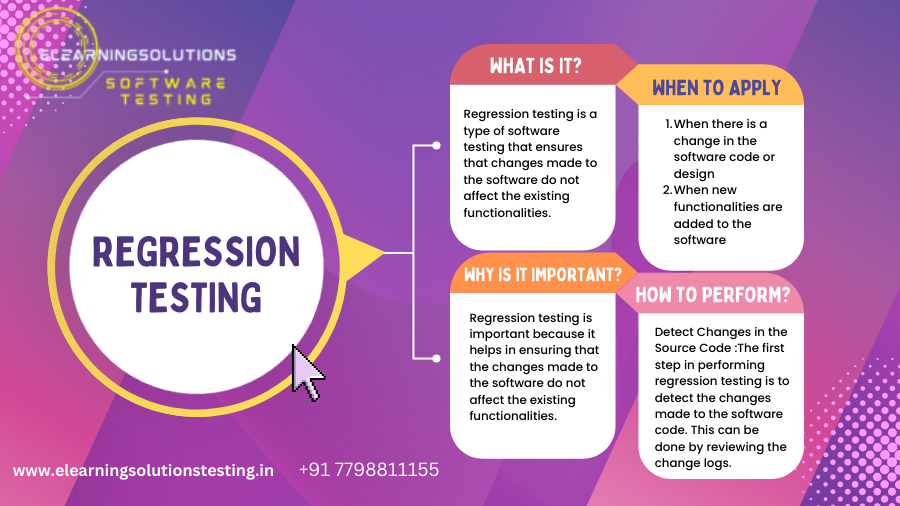
– Regression Testing: Automated tests excel in regression testing, ensuring that changes made to the application do not affect existing functionalities.
– Performance Testing: Load, stress, and endurance testing are best performed using automated tools due to their ability to run multiple test scenarios efficiently.
– Cross-Browser Compatibility Testing: Automated tests can quickly check compatibility across various browsers and devices, saving significant time compared to manual efforts.
Learning Curve Comparison
Easier to Learn
Manual testing requires no specific technical knowledge and is relatively easy to learn for most people with basic computer skills. Automated testing, however, has a steeper learning curve due to the need to understand programming languages, test frameworks, and test management tools.
Time to Become Job-Ready
A manual tester can become job-ready with minimal training, while automated testing requires additional time to learn testing frameworks such as Selenium, Appium, or TestComplete. The time required varies depending on the individual’s familiarity with programming languages like Java, Python, or Ruby.
Job Market Comparison
Demand and Salary
Both manual testing and automated testing are in demand across various industries. Automated testers often command higher salaries due to their specialized skillset, with an average annual salary of $85,000 compared to a manual tester’s average salary of $62,000 (according to Indeed).
Growth Potential
The job market for both manual and automated testing is growing steadily as businesses continue to prioritize quality assurance. However, the demand for automation testers is expected to grow at a faster rate due to the increasing adoption of Agile methodologies and DevOps practices.
Community and Ecosystem
Libraries, Support, and Documentation
Automated testing has a vibrant community with numerous open-source tools like Selenium, Appium, TestNG, and JUnit. These projects have extensive documentation and active forums on platforms like Stack Overflow, making it easier for developers to find solutions to common issues.
Stack Overflow Activity
According to Stack Overflow’s 2019 Developer Survey, Selenium is the most popular automated testing tool, with over 60% of respondents using it at some point in their careers. Other popular tools include Appium (28%) and TestNG (27%).
Technologies That Pair Well
– Continuous Integration (CI) Tools: Jenkins, Travis CI, CircleCI
– Behavior-Driven Development (BDD) Frameworks: Cucumber, SpecFlow
– Test Management Tools: Jira, TestRail, Zephyr
– Cross-Platform Mobile App Testing: Espresso (Android), XCUITest (iOS)
Honest Assessment
Both manual and automated testing have their place in the software development lifecycle. Manual testing offers flexibility, while automated testing provides efficiency, scalability, and cost savings. The best approach depends on the specific requirements of each project and the available resources. Many organizations adopt a hybrid approach, leveraging both manual and automated testing for optimal results.
| Performance | Scalability | Resource Usage | |
|---|---|---|---|
| Manual Testing | Slower | Limited | More Resources |
| Automated Testing | Faster | Higher | Less Resources |
| Role | Skills Needed | Average Salary (INR) |
|---|---|---|
| Manual Tester | Basic Computer Skills, Testing Methodologies, Bug Reporting | 5,00,000 – 8,00,000 |
| Automation Tester | Programming Skills (Java, Python, etc.), Test Frameworks (Selenium, Appium), Testing Methodologies | 7,00,000 – 12,00,000 |
| Location | Average Salary (USD) |
|---|---|
| India | Manual Tester: $10,500 – $24,000; Automation Tester: $13,000 – $36,000 (Source: Indeed) |
| Global | Manual Tester: $52,000 – $87,000; Automation Tester: $64,000 – $126,000 (Source: Indeed) |
Manual Testing vs Automation Testing: Which is Right for You in 2026?
Understanding Manual Testing and Automation Testing
In the realm of software testing, two distinct approaches have emerged as pivotal – manual testing and automation testing. Each method offers unique advantages, catering to different scenarios in the software development lifecycle.
Manual Testing: A Closer Look
Manual testing involves human testers interacting directly with the application under test (AUT) to identify defects and ensure quality. This approach is ideal for initial stages of software development, exploratory testing, usability testing, and situations requiring a high level of human intuition.
Automation Testing: Unleashing the Power of Technology
On the other hand, automation testing employs software tools to execute repetitive test cases, reducing the need for manual intervention. This approach excels in regression testing, performance testing, and maintaining a consistent and efficient testing process over time.
Who Should Choose Manual Testing?
Ideal for Freshers and Backend Developers
Manual testing is an excellent starting point for beginners in software testing, providing a solid foundation to understand the intricacies of testing methodologies. It also serves as a valuable skill set for backend developers who work closely with applications’ underlying code.
Enterprise Teams and Specific Scenarios
In enterprise settings, manual testing may be preferred in certain scenarios where the application’s complexity necessitates a higher level of human judgement or when budget constraints limit the use of automation tools.
Who Should Choose Automation Testing?
Scalability and Time-Saving Benefits
Automation testing is ideal for large-scale projects where the sheer volume of test cases would be impractical to execute manually. It offers significant time savings, freeing up testers to focus on more critical tasks.
Industries with Rapid Release Cycles
For industries like e-commerce and mobile applications that release frequent updates, automation testing helps maintain a swift and reliable testing process. This ensures that new features are thoroughly vetted before reaching end-users.
Can You Learn Both?
Absolutely! It’s beneficial to have expertise in both manual and automation testing, as they complement each other. Begin by mastering manual testing, then progress to learning automation tools like Selenium or TestComplete.
Start with the fundamentals of automation testing, followed by familiarizing yourself with specific tools and frameworks. This approach will provide you with a well-rounded skill set in software testing.
Real-world Projects Where Each Technology Shines
Manual Testing’s Strength
In usability testing for a new mobile application, manual testers can provide valuable feedback on user experience and interaction design, helping developers refine the product before its release.
Automation Testing’s Advantage
For performance testing in a web-based enterprise system, automation tools can execute hundreds of test cases quickly, ensuring that the application performs optimally under heavy loads and stress conditions.
A Final Verdict: Recommendations Based on Goals
Job-Seekers
For those seeking employment, a strong foundation in both manual and automation testing is essential. This versatility will make you an attractive candidate for various roles in software development and testing.
Freelancers and Startups
As a freelancer or startup, prioritize learning automation testing to minimize the time spent on repetitive tasks, enabling you to take on more projects efficiently. However, don’t neglect manual testing, as it can provide valuable insights in the early stages of your projects.
Enterprise Teams
For enterprise teams working on large-scale projects, both manual and automation testing are crucial. Ensure that a balanced approach is maintained to leverage the strengths of each methodology effectively.
Conclusion
In 2026, software testing continues to evolve at an incredible pace. By mastering both manual and automation testing techniques, you will be well-prepared for the demands of the ever-changing tech landscape. Embrace this journey, and remember that eLearning Solutions offers hands-on training in software testing designed for working professionals – explore their courses today at https://www.elearningsolutions.co.in/.
If you are ready to get started, eLearning Solutions offers hands-on training in software testing designed for working professionals – explore their courses at https://www.elearningsolutions.co.in/. Begin your journey towards mastering software testing today and unlock a world of opportunities tomorrow.
Manual Testing vs Automation Testing
What is Manual Testing?
Manual testing is a traditional method of software testing where a human tester executes test cases manually, without the aid of automation tools. It involves creating and executing test cases, documenting defects, and reporting them to developers for resolution.
What is Automation Testing?
Automation testing is a modern approach to software testing that leverages specialized tools to execute test scripts automatically. It saves time and resources by reducing the need for manual intervention, allowing testers to focus on more complex tasks.
What’s the difference between manual and automation testing at a fundamental level?
The primary difference lies in their execution. Manual testing requires human testers to perform test cases, whereas automation testing utilizes software tools to execute the same tasks.
What jobs are available for Manual and automation testers?
Manual Testing Jobs:
QA Analyst, Test Engineer, Functional Tester, Regression Tester, UAT (User Acceptance Testing) Specialist.
Automation Testing Jobs:
SDET (Software Development Engineer in Test), Automation Engineer, Test Automation Developer, Test Analyst (with automation skills).
What is the salary range for Manual and Automation Testers in India and globally?
Manual Testing Salary:
In India, the average salary ranges from INR 400,000 to INR 800,000 per annum. Globally, the range is between $50,000 and $120,000 per year.
Automation Testing Salary:
In India, the average salary ranges from INR 600,000 to INR 1,500,000 per annum. Globally, the range is between $70,000 and $180,000 per year.
Which testing approach is better for a specific use case?
When to Use Manual Testing:
For exploratory testing, usability testing, and testing new technologies with limited or no automation support.
When to Use Automation Testing:
For regression testing, performance testing, and test cases with repetitive actions where efficiency is crucial.
Which technology should I learn first – Manual or Automation Testing?
Learn manual testing first as it provides a solid foundation for understanding software testing principles. After gaining experience, consider learning automation tools such as Selenium or TestComplete.
How long does it take to learn Manual and Automation Testing, and what are the prerequisites?
Manual Testing:
It takes around 6 months to a year to become proficient in manual testing. Prerequisites include basic computer skills, understanding of software development life cycle (SDLC), and problem-solving abilities.
Automation Testing:
Learning automation testing takes approximately 9-12 months, depending on the chosen tool. Prerequisites include strong programming skills, experience in a programming language (such as Java or C#), and familiarity with manual testing.
Is manual or automated testing growing or dying, and what’s the future demand?
Future of Manual Testing:
Manual testing will continue to have a role in software development due to its ability to perform exploratory and usability testing. However, its demand may decrease as more testing is automated.
Future of Automation Testing:
Automation testing is expected to grow significantly due to the increasing adoption of Agile methodologies, DevOps, and continuous integration/continuous deployment (CI/CD) practices. The demand for automation testers will remain high as businesses strive to reduce time-to-market and increase efficiency.
What impact will AI have on Manual and Automation Testing?
AI is expected to revolutionize both manual and automation testing by enabling more intelligent test case design, predictive testing, and self-healing tests that adapt to changes in the application under test.
Frequently Asked Questions
What is the main difference between manual testing and automation testing?
Manual testing involves manually testing the software by a human tester, whereas automation testing uses automated tools to execute test cases. Automation testing is faster and more efficient, but manual testing is better for exploratory and usability testing. This difference helps determine which type of testing is best for a particular project.
When should I choose manual testing over automation testing?
Manual testing is ideal for small projects, new applications with frequent changes, or applications with complex business logic that require human judgment. It is also useful for exploratory testing, usability testing, and testing applications with non-technical users. In these scenarios, manual testing provides more flexibility and effectiveness.
What are the advantages of automation testing over manual testing?
Automation testing offers several advantages, including increased speed, reduced cost, and improved test coverage. It can execute a large number of test cases in a short amount of time, reducing the time and cost associated with manual testing. Additionally, automation testing can help reduce the risk of human error and improve the overall quality of the software.
Can manual testing and automation testing be used together?
Yes, manual testing and automation testing can be used together to achieve better results. In fact, many organizations use a combination of both manual and automated testing to leverage the strengths of each approach. By using automation testing for repetitive and regression testing, and manual testing for exploratory and usability testing, teams can ensure that their software is thoroughly tested and of high quality.
How do I decide which tests to automate and which to perform manually?
To decide which tests to automate and which to perform manually, consider the frequency of the test, the complexity of the test, and the risk associated with the test. Tests that are repetitive, time-consuming, and high-risk are ideal candidates for automation, while tests that are complex, require human judgment, or are one-time tests are better suited for manual testing. By carefully evaluating these factors, teams can make informed decisions about which tests to automate and which to perform manually.