Mastering Automation Testing in 2026: A Comprehensive Guide
Welcome to our latest blog post! In the ever-evolving landscape of software development, automation testing has emerged as a game-changer. This extensive guide aims to shed light on what automation testing is, who it’s for, and why it matters in the world of technology.
What is Automation Testing?
The Concept Explained
Automation testing involves using software tools to execute repetitive tasks and test applications or systems under various conditions. The primary goal is to ensure software quality, reliability, and performance.
Key Benefits of Automation Testing
– Reduced human error: Automated tests are less prone to errors compared to manual testing.
– Time efficiency: Automation accelerates the testing process significantly.
– Cost savings: By automating repetitive tasks, businesses can reduce labor costs and increase productivity.
Who is it for?
Software Developers and Testers
Automation testing is an essential skill for software developers and testers, as it enables them to create high-quality applications more efficiently.
Businesses Seeking Quality Assurance
Businesses that prioritize quality assurance and strive for faster time-to-market can benefit significantly from automation testing.
Why it Matters in 2026
The Increasing Demand for Quality Software
As technology advances, the demand for high-quality software continues to grow. Automation testing plays a crucial role in meeting this demand.
Competitive Advantage
Implementing automation testing can provide businesses with a competitive advantage by reducing time-to-market, lowering costs, and improving product quality.
| Beginner | Intermediate | Advanced | |
|---|---|---|---|
| Prerequisites | Basic knowledge of programming (Java, Python, C#) | Familiarity with software testing methodologies | Expertise in specific automation frameworks (Selenium, TestNG) |
| Tools to Learn | Selenium WebDriver, Appium, TestComplete | JUnit, NUnit, PyTest | Cucumber, SpecFlow, FitNesse |
| Courses and Resources | Automation Testing Training at eLearning Solutions, Pune | Udemy Automation Testing Courses | SQA Lessons Automation Testing Resources |
Mastering Automation Testing: A Comprehensive Guide
Exploring the Depths of Automated Testing in 2026
Understanding the Basics of Automation Testing
What is Automation Testing? In simple terms, automation testing involves using software tools to execute test cases automatically. This process helps reduce human error and speed up the testing phase in software development. By automating repetitive tasks, teams can save time and effort while ensuring high-quality software.
The Advantages of Automated Testing
Why Choose Automation? Automated testing offers numerous benefits. It reduces the risk of human error, accelerates test execution, allows for regression testing, and enables continuous integration. By automating tests, teams can focus on higher-level tasks, improving overall productivity.
Comparing Popular Automation Testing Tools
The Best Tools for the Job
| Tool Name | Popularity Rank | Key Features |
|---|---|---|
| Selenium WebDriver | 1 | Open-source, cross-browser compatibility, extensive community support |
| Appium | 2 | Supports hybrid and native apps on multiple platforms, easy setup |
Breaking Down Automation Testing by Location
Where the Industry Thrives
Top Cities for Automation Testing Jobs
With a growing demand for automation testing skills, certain cities have emerged as hubs for this specialized field. In India, Pune—home to eLearning Solutions (eLearning Solutions)—stands out as a thriving center for IT and software development.
The Role of eLearning Solutions in Pune’s Automation Testing Industry
eLearning Solutions, located in Pune, offers comprehensive training programs focused on automation testing. Their experienced instructors help students acquire the necessary skills to excel in this dynamic field.
Key Factors for Successful Automation Testing
Essential Elements for Effective Automation
Choosing the Right Tool for Your Project
Selecting the appropriate automation testing tool is crucial. Factors to consider include project requirements, available resources, and team expertise.
Designing Efficient Test Cases
Effective test case design ensures that tests are thorough, maintainable, and easily understandable. It’s essential to prioritize critical areas of the application and create test cases accordingly.
Unlocking Your Potential: A Comprehensive Guide to Automation Testing Career Growth
1: Why Automation Testing is a Lucrative Career Choice
In the rapidly evolving digital landscape, automation testing has emerged as a critical skill set. As businesses increasingly rely on software applications to streamline operations and enhance customer experience, the demand for proficient automation testers continues to soar.
1: The Increasing Demand for Automation Testers
The growth of agile methodologies and continuous integration/continuous delivery (CI/CD) practices have led to a significant surge in the need for automation testing professionals. Companies are seeking individuals who can ensure software quality, reduce time-to-market, and drive innovation.
2: The Financial Rewards of an Automation Testing Career
Given the high demand for automation testers, salaries in this field tend to be competitive. According to recent reports, the average salary for automation testing professionals ranges from INR 500,000 to INR 1,200,000 per annum in India.
2: Key Skills to Improve for a Successful Automation Testing Career
To excel as an automation tester, one must possess a combination of technical and soft skills. Here are some key competencies that can help you stand out in the job market:
1: Essential Technical Skills
A strong foundation in programming languages such as Java, C#, Python, or Ruby is crucial for automation testing. Familiarity with test frameworks like Selenium, TestNG, or JUnit is also important. Additionally, understanding of databases and web services can prove beneficial.
2: Important Soft Skills
Besides technical prowess, soft skills like communication, problem-solving, and teamwork are equally vital. Automation testers should be able to collaborate effectively with developers, business analysts, and project managers to ensure seamless software delivery.
3: Perks and Benefits of a Career in Automation Testing
A career in automation testing offers numerous advantages, including:
1: Constant Learning Opportunities
The ever-evolving nature of technology ensures that automation testers are always learning new tools and techniques. This constant growth keeps the job challenging and rewarding.
2: Flexible Work Environment
With the rise of remote work, automation testing professionals often enjoy the flexibility to work from anywhere. This can lead to a better work-life balance and reduced commute time.
4: Achieving Career Growth in Automation Testing
To advance your career as an automation tester, consider the following strategies:
1: Continuous Learning and Upgrading Skills
Stay updated with the latest tools, frameworks, and methodologies in automation testing. Attend workshops, webinars, and conferences to expand your knowledge base.
2: Building a Strong Portfolio
Develop a portfolio showcasing your automation testing projects, scripts, and test cases. This can help demonstrate your expertise to potential employers.
5: Embracing eLearning Solutions for Automation Testing Success
eLearning Solutions offers comprehensive training programs in automation testing. With a team of experienced trainers and a curriculum designed to meet industry standards, they provide the perfect platform for aspiring automation testers to kickstart their careers.
Unlock your potential with eLearning Solutions: Visit Now
Conclusion
In the competitive landscape of software development, automation testing has become an essential skill set. With a lucrative career path, numerous perks, and constant learning opportunities, pursuing a career in automation testing can lead to professional growth and financial success. Embrace eLearning Solutions to embark on your journey towards mastering automation testing.
Take the first step towards an exciting career in automation testing today! Join eLearning Solutions Now
Frequently Asked Questions about Automation Testing
What is automation testing?
Automation testing is a method in software testing that utilizes special automated tools to control the execution of tests and then compares actual test results with predicted or expected results. It is used to speed up the testing process, increase test coverage, and improve test accuracy.
Why is automation testing important?
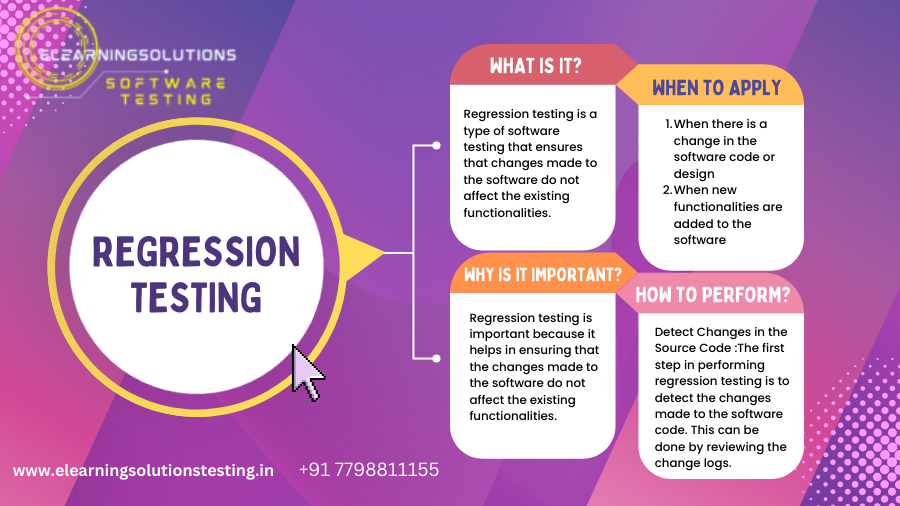
Automation testing is important because it allows for faster execution of tests, reducing the time required for manual testing. This results in earlier identification of bugs, allowing for quicker resolution and improved product quality. It also enables regression testing to be performed more efficiently, ensuring that any changes made to the software do not negatively impact existing functionalities.
Who can pursue a career in automation testing?
Candidates with a background in computer science, information technology, or engineering are well-suited for a career in automation testing. Familiarity with programming languages such as Java, C#, Python, and Selenium is advantageous. A certification from organizations like ISTQB or Automation Anywhere can also enhance one’s employability.
What are the prerequisites for pursuing automation testing?
Prerequisites for pursuing automation testing include a strong foundation in programming and a good understanding of software development methodologies. Familiarity with at least one scripting or object-oriented language is essential, as well as knowledge of various test automation frameworks such as TestNG, JUnit, or Nunit.
What skills are required for automation testing?
Required skills for automation testing include programming proficiency in at least one scripting language like Python, Java, or C#. Familiarity with test automation tools such as Selenium, Appium, and TestComplete is essential. Additionally, understanding of software development methodologies, debugging techniques, and database management systems is beneficial.
What is the salary range for an automation testing professional?
The salary range for an automation testing professional varies depending on factors such as location, experience, and industry. In India, the average salary can range from INR 4 to 12 LPA (Lakhs Per Annum). In the United States, the average annual salary is around $85,000.
What are the career opportunities in automation testing?
Career opportunities in automation testing include roles such as Automation Test Engineer, Test Automation Architect, and Quality Assurance (QA) Manager. With experience and expertise, one can progress to leadership roles like Director of QA or Chief Quality Officer.
What are some popular tools used for automation testing?
Some popular tools used for automation testing include Selenium WebDriver, Appium, TestComplete, TestNG, JUnit, and Nunit. These tools can be used to automate tests for web applications, mobile apps, APIs, and desktop applications.
Frequently Asked Questions
What is automation testing and why is it important?
Automation testing is a process of using software tools to execute tests on a software application, reducing the need for manual testing. It is important because it saves time, increases efficiency, and helps to detect bugs and errors early in the development cycle. By mastering automation testing, you can improve the overall quality of your software applications.
What will I learn from the comprehensive guide to automation testing?
The comprehensive guide to automation testing will cover topics such as the basics of automation testing, test automation frameworks, and advanced techniques for automating complex test scenarios. You will also learn how to use popular automation testing tools and how to integrate automation testing into your existing development workflow. By the end of the guide, you will have a thorough understanding of automation testing and be able to apply it in real-world scenarios.
Do I need prior experience with automation testing to take the course?
No, prior experience with automation testing is not required to take the course. The course is designed to be beginner-friendly and will cover the basics of automation testing before moving on to more advanced topics. However, having some experience with software development or testing can be helpful in understanding some of the concepts and terminology used in the course.
How long will it take to complete the comprehensive guide to automation testing?
The length of time it takes to complete the comprehensive guide to automation testing will vary depending on your prior experience and the amount of time you have to dedicate to the course. On average, it can take several weeks to several months to complete the course, depending on your pace and how much time you have to study each week. The course is self-paced, so you can complete it on your own schedule.
What kind of support will I receive during and after the course?
During and after the course, you will have access to a variety of support resources, including online forums, email support, and live chat support. You will also have access to a community of other learners who are taking the course, where you can ask questions and get help from your peers. Additionally, you will have lifetime access to the course materials, so you can review them as many times as you need to.