Software Testing Tutorial: A Comprehensive Guide for Beginners
Introduction to Software Testing
Welcome to our comprehensive guide on software testing! In the digital age, software testing has become an essential part of any successful software development project. This tutorial is designed for beginners who want to understand the basics of software testing, its importance, and who it benefits.
What is Software Testing?
Software testing is a systematic process of evaluating a software application or system under different conditions to identify any defects, bugs, or errors. It ensures that the final product functions as expected and meets the requirements defined by its users.
Why Software Testing Matters
Software testing is crucial for several reasons. Firstly, it helps in improving software quality and reliability. Secondly, it reduces the risk of software failures and enhances user satisfaction. Lastly, software testing saves both time and resources by detecting issues early in the development cycle.
Types of Software Testing
Manual Testing
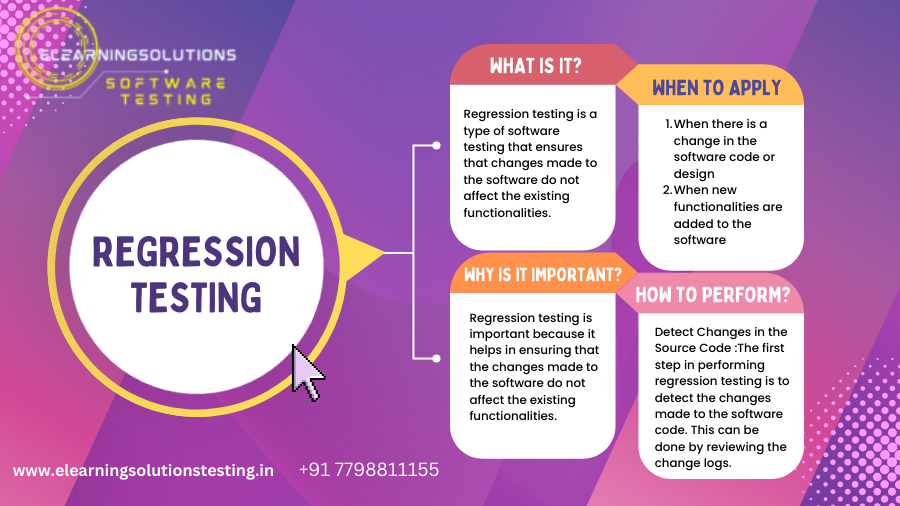
Manual testing involves human testers who interact with the software to identify issues. This method is useful for exploratory testing, usability testing, and regression testing.
Automated Testing
Automated testing uses specialized tools to execute test scripts and compare results against expected outcomes. This method is useful for repetitive tasks, performance testing, and load testing.
| Test Type | Description | Benefits |
|---|---|---|
| Unit Testing | Testing individual software components or units in isolation. | Early defect detection, improved code quality, and reduced development time. |
| Integration Testing | Testing how different modules work together within a software application. | Identifying compatibility issues, ensuring proper data flow between modules. |
| System Testing | Testing the entire system as a whole to ensure it meets user requirements. | Verification of overall functionality, performance, and security. |
| Acceptance Testing | Testing software by end-users or customers to confirm if it meets their needs and expectations. | Ensuring user satisfaction, identifying any remaining issues, and verifying system acceptance criteria. |
The Importance of Software Testing in Businesses
Quality Assurance
Software testing ensures that the final product meets the desired quality standards, improving customer satisfaction and reducing the risk of software failures.
Cost Reduction
Early detection and resolution of issues during testing can significantly reduce costs associated with post-release bug fixes and customer support.
Competitive Advantage
High-quality software products provide a competitive advantage in the market, leading to increased customer loyalty and sales.
In conclusion, software testing is an essential part of any successful software development project. Understanding its basics, types, and benefits will equip you with the knowledge necessary to create high-quality software that meets user expectations and provides a competitive edge. For more in-depth training on software testing and other IT topics, visit [eLearning Solutions](https://www.elearningsolutions.co.in/).
Mastering Software Testing: A Comprehensive Guide for Aspiring Testers in Pune
Understanding the Importance of Software Testing
Software testing is an essential process that ensures the functionality, reliability, and efficiency of software applications. It plays a crucial role in identifying and resolving issues before software reaches users, enhancing user experience and building trust.
The Role of Software Testing in Business Success
Effective software testing contributes to improved product quality, reduced costs associated with defects, and increased customer satisfaction. By identifying and addressing issues early in the development process, businesses can save time and resources while ensuring a high-quality end-product.
Comparative Analysis of Popular Software Testing Methodologies
Several software testing methodologies are available, each with its strengths and weaknesses. This section will compare and contrast popular approaches such as manual testing, automation testing, and Agile testing.
Manual Testing: An Overview
Manual testing involves human testers executing test cases and recording results. It is best suited for small-scale projects or initial stages of development, where automation may not be cost-effective.
Automated Testing: A Powerful Tool for Efficiency
Automated testing utilizes software tools to execute test cases and compare results with expected outcomes. This approach is ideal for large-scale projects, repetitive tasks, or regression testing.
The Rise of Agile Testing: Adaptability and Speed
Agile testing focuses on delivering high-quality software quickly by collaborating closely with development teams. It emphasizes continuous integration, test-driven development, and automated testing to ensure that the product remains functional throughout the development lifecycle.
Location Factors in Software Testing: Pune’s Advantage
Pune, India, boasts a thriving IT industry with numerous training institutes like eLearning Solutions that offer software testing courses. This vibrant ecosystem provides aspiring testers with ample opportunities to learn and grow in their careers.
Key Factors for Successful Software Testing
Successful software testing depends on several factors, including the establishment of clear test objectives, thorough test case design, timely execution, and effective defect tracking and resolution processes.
| Key Factor | Description |
|---|---|
| Clear Test Objectives | Defining the purpose and scope of testing ensures focus on critical areas and guides the test process. |
| Thorough Test Case Design | Creating comprehensive test cases ensures that all functionality is tested, reducing the likelihood of missed issues. |
| Timely Execution | Early testing allows for faster issue resolution and a higher quality end-product. |
| Effective Defect Tracking and Resolution Processes | Streamlined processes help ensure that issues are addressed efficiently, reducing delays in the development lifecycle. |
Training Opportunities at eLearning Solutions in Pune
eLearning Solutions offers comprehensive software testing training programs that equip aspiring testers with the skills and knowledge necessary to excel in their careers. Visit our website for more information on our courses and offerings.
Software Testing Tutorial: Career Growth, Key Skills, and Perks & Benefits
Career Growth Path in Software Testing
Entry-level Positions
Software testing starts with entry-level positions such as Junior Tester or QA Analyst. These roles involve executing test cases, reporting bugs, and collaborating with developers to ensure software meets quality standards.
Mid-Level Positions
As experience grows, professionals can advance to Test Engineer or Test Manager roles. These positions involve designing test strategies, managing teams, and ensuring software adheres to industry best practices.
Senior and Leadership Roles
Senior Software Testers and QA Directors lead testing departments, overseeing multiple projects simultaneously. Their responsibilities include strategic planning, budget management, and team development.
Key Skills to Improve in a Software Testing Career
Technical Expertise
Stay updated on testing tools, methodologies, and frameworks to excel in software testing. Automation testing tools like Selenium and TestNG are valuable for streamlining repetitive tasks.
Communication Skills
Strong communication skills are essential for collaborating with developers, project managers, and other stakeholders. Effective communication helps ensure clarity in requirements, efficient bug reporting, and timely resolution of issues.
Perks and Benefits of a Career in Software Testing
Job Security and Growth Opportunities
The demand for software testing professionals is consistently high due to the growing digitalization of industries. This ensures job security and numerous growth opportunities within organizations.
Competitive Salaries
Software testers can expect competitive salaries, especially in senior roles, with average annual earnings ranging from $50,000 to $90,000+ depending on experience and location.
Join eLearning Solutions Today!
Take your software testing career to the next level by enrolling in training courses at eLearning Solutions. Our comprehensive programs offer hands-on experience and expert guidance, equipping you with the skills needed for a successful career in software testing.
Conclusion
A career in software testing offers numerous benefits, including job security, growth opportunities, competitive salaries, and the satisfaction of ensuring high-quality software. With the right blend of technical expertise, communication skills, and continuous learning, you can thrive in this dynamic field. Join eLearning Solutions today to embark on your journey towards a successful career in software testing!
Frequently Asked Questions About Software Testing
What is software testing?
Software testing is the process of verifying and validating whether a software product or system meets the specified requirements, performs as intended, and does not contain any defects. It helps ensure that the software is reliable, efficient, and user-friendly.
Why is software testing important?
Software testing is crucial because it helps identify and fix bugs, improve quality, enhance user experience, reduce risks, and ensure that the final product meets customer expectations. Testing also verifies compliance with industry standards, regulations, and legal requirements.
What are the different types of software testing?
The various types of software testing include unit testing, integration testing, system testing, acceptance testing, functional testing, regression testing, performance testing, security testing, usability testing, and mobile testing.
What are the eligibility criteria for a career in software testing?
To pursue a career in software testing, one typically needs a bachelor’s degree in computer science or a related field. Additionally, certification from organizations like ISTQB, ASTQB, or PMI-ACP can enhance job prospects. Good analytical skills, attention to detail, and problem-solving abilities are essential.
What is the average salary for software testers?
The salary for software testers varies based on factors like location, experience, and industry. In the US, the average annual salary ranges from $50,000 to $80,000. In India, it can range from INR 300,000 to INR 1,200,000 per annum.
What skills are essential for a software tester?
Software testers should possess strong technical skills such as programming, scripting, and debugging. They must also have good understanding of testing methodologies, tools, and frameworks. Communication, collaboration, and problem-solving abilities are important for effective testing and teamwork.
What is the scope of software testing in 2026?
The demand for software testers will continue to grow due to increased digitalization and the need for high-quality software products. The future holds opportunities in agile testing, test automation, mobile app testing, DevOps, and cloud computing.
How does software testing compare with other IT roles?
Compared to other IT roles like software development, project management, or data analysis, software testing offers a more stable career path due to the ongoing need for quality assurance. However, salaries may be slightly lower but can increase with experience and expertise.
Frequently Asked Questions
What will I learn from the Comprehensive Software Testing Tutorial?
The Comprehensive Software Testing Tutorial will cover the fundamentals of software testing, including test planning, test design, and test execution. You will also learn about various testing techniques and tools used in the industry. By the end of the tutorial, you will have a thorough understanding of software testing principles and practices.
Do I need prior experience in software testing to take this tutorial?
No, prior experience in software testing is not required to take this tutorial. The tutorial is designed for beginners and will cover the basics of software testing, making it easy for anyone to learn and understand. However, having some basic knowledge of software development can be beneficial.
How long will it take to complete the Comprehensive Software Testing Tutorial?
The duration of the tutorial will depend on your pace and the amount of time you dedicate to learning each day. On average, it can take around 2-3 months to complete the tutorial, but this can vary depending on your schedule and learning style. You will have access to the tutorial materials for a certain period, so you can learn at your own pace.
Will I get a certificate after completing the Comprehensive Software Testing Tutorial?
Yes, upon completing the Comprehensive Software Testing Tutorial, you will receive a certificate of completion. This certificate will be issued by our eLearning platform and will be recognized by the industry. The certificate will demonstrate your knowledge and skills in software testing, which can be beneficial for your career.
What kind of support can I expect from the tutorial instructors and support team?
The tutorial instructors and support team will be available to answer any questions you may have and provide support throughout the tutorial. You can expect timely and helpful responses to your queries, and the support team will also provide guidance on any technical issues you may encounter. Additionally, you will have access to a community of learners where you can interact with others and get help from peers.