Software testing is a vital component of the development cycle, ensuring that applications not only work but also deliver a seamless user experience. Among the many testing classifications, the most fundamental distinction lies between Functional and Non-Functional Testing. Understanding the difference between these two categories helps in building robust and high-performing applications.
Let’s explore both types and how they shape the quality of software products.
What is Functional Testing?
Functional Testing validates that the software system performs according to the specified requirements. It involves checking user commands, data manipulation, business processes, and integration. This type of testing focuses on what the system does.
Key Features of Functional Testing:
- Based on business requirements
- Performed using test cases and test scenarios
- Usually done using black-box testing techniques
Common Functional Testing Types:
- Unit Testing: Tests individual components or modules.
- Integration Testing: Ensures combined modules work together.
- System Testing: Tests the complete system as a whole.
- Smoke Testing: Quick check to ensure critical functions work.
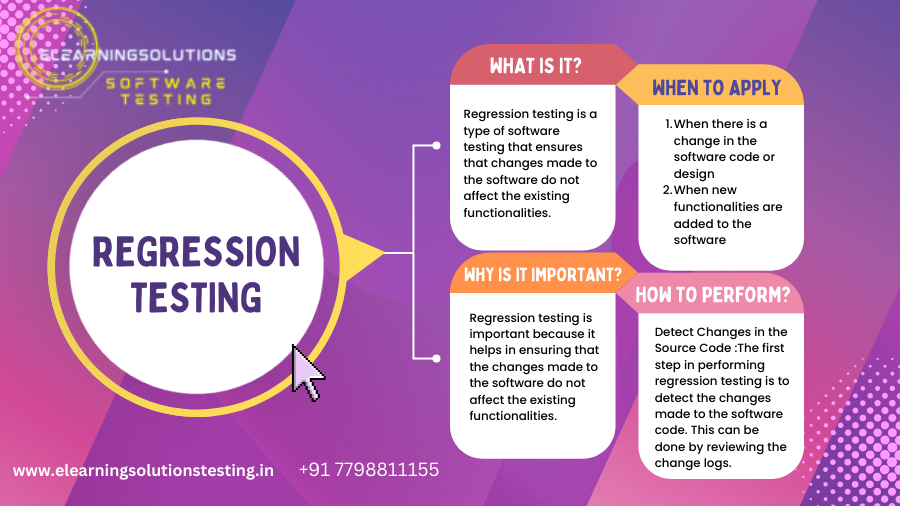
- Regression Testing: Verifies that recent changes haven’t broken existing features.
- User Acceptance Testing (UAT): Final testing based on user requirements.
What is Non-Functional Testing?
Non-Functional Testing checks how well the system performs under various conditions. It evaluates characteristics like speed, scalability, security, and reliability rather than specific behaviors or functionalities.
Key Features of Non-Functional Testing:
- Focuses on performance, usability, and system behavior
- Often uses automated tools for metrics and simulation
- Tests the application under stress or load conditions
Common Non-Functional Testing Types:
- Performance Testing: Measures response time and throughput.
- Load Testing: Checks how the system handles expected user traffic.
- Stress Testing: Examines system stability under extreme conditions.
- Security Testing: Identifies vulnerabilities and potential threats.
- Usability Testing: Assesses how user-friendly the software is.
- Compatibility Testing: Verifies functionality across different environments (browsers, devices, OS).
Key Differences at a Glance
| Feature | Functional Testing | Non-Functional Testing |
|---|---|---|
| Focus | What the system does | How the system performs |
| Based on | Business requirements | Quality attributes (performance, security) |
| Tools | Manual/Black-box testing tools | Automation tools, simulators |
| Execution Approach | User scenarios and inputs | System under load, stress, or attack |
| Example | Login works correctly | Login loads in under 2 seconds |
Why Both Testing Types Matter
Relying solely on functional testing can lead to systems that technically work, but fail to deliver a smooth user experience. Conversely, focusing only on non-functional aspects may ignore business rules. A balanced testing strategy ensures that both the expected features and performance standards are met.
Final Thoughts
Functional and Non-Functional Testing are two sides of the same quality assurance coin. While functional testing assures that a system behaves correctly, non-functional testing ensures it behaves efficiently under various conditions. Together, they build software that is not just correct but also reliable, secure, and scalable.
you may be interested in:
What are the Levels of Testing in Software Engineering
Different types of manual testing
Automation testing in Selenium
API Testing in Software Testing
Frequently Asked Questions
What is the main difference between functional and non-functional software testing?
Functional software testing focuses on ensuring that the software works as expected and meets its functional requirements, whereas non-functional testing evaluates the software’s performance, usability, and other non-functional aspects. This distinction is crucial in determining the type of testing to be performed. By understanding the difference, testers can design effective testing strategies.
Can you give examples of non-functional software testing types?
Examples of non-functional software testing include performance testing, security testing, usability testing, and compatibility testing. These types of testing help ensure that the software is stable, secure, and easy to use, and that it can run smoothly on different platforms and devices. By conducting non-functional testing, developers can identify potential issues and improve the overall quality of the software.
How does functional testing differ from unit testing?
Functional testing and unit testing are two distinct types of testing, although they are related. Functional testing focuses on the overall functionality of the software, verifying that it works as expected from a user’s perspective, whereas unit testing is a type of testing that focuses on individual components or units of code. Unit testing is typically performed by developers to ensure that each unit of code functions correctly.
What are some benefits of performing non-functional testing?
Performing non-functional testing can help identify potential issues with the software’s performance, security, and usability, allowing developers to address these issues before the software is released. This can lead to improved customer satisfaction, reduced maintenance costs, and a competitive advantage in the market. By investing in non-functional testing, organizations can ensure that their software meets the required standards and is reliable.
How do I determine which type of testing to perform first, functional or non-functional?
It is generally recommended to start with functional testing to ensure that the software works as expected and meets its functional requirements. Once the functional testing is complete, non-functional testing can be performed to evaluate the software’s performance, security, and other non-functional aspects. This approach helps ensure that the software is stable and functional before evaluating its non-functional characteristics.