How Testing Is Done in Software Companies:
In today’s quick digital world, software companies strive to provide quality products that meet user needs. But how do they ensure their software works perfectly? That’s where software testing comes in. If this concept is new to you, don’t worry. We’ll explain it clearly and simply. You’ll learn the basics and feel ready to start mastering software testing.
What is software testing?
Software testing checks a software application for defects. It ensures quality and confirms that it meets business and technical needs. Think of it as a safety check before a product goes live—just like test-driving a car before purchasing it.
Why is software testing important?
Imagine launching an app only to find it crashes every time a user tries to log in. That’s a disaster, right? Inadequately tested software can result in financial losses, security vulnerabilities, and dissatisfied customers. Testing ensures:
- Bug-Free Experience: Detecting and fixing issues before release.
- User Satisfaction: Delivering a smooth, seamless experience.
- Security Assurance: Protecting against cyber threats.
- Cost Savings: Fixing bugs in later stages is expensive; early testing saves time and money.
Different Types of Software Testing
Software testing covers many areas. Companies use different methods to guarantee quality. Let’s explore the most common ones:
1. Manual Testing
Testers manually check the software for defects by simulating user actions. This method is useful for exploratory testing and usability checks.
2. Automated Testing
Scripts and tools are used to execute test cases without human intervention. Automated testing is faster and more efficient for repetitive tasks.
3. Functional Testing
Ensures the software functions as intended. It includes unit testing, integration testing, system testing, and user acceptance testing.
4. Performance Testing
Evaluates how an application performs under different conditions, such as heavy user traffic.
5. Security Testing
Identifies vulnerabilities that could expose user data to risks.
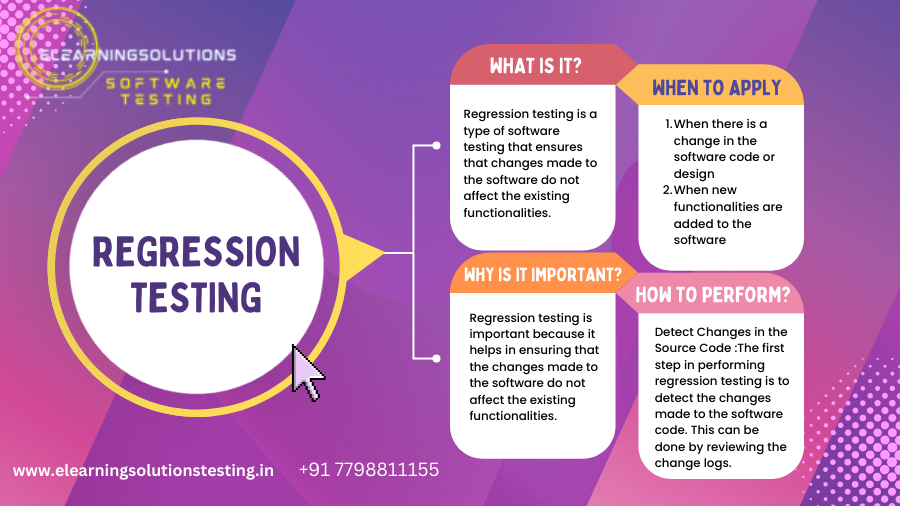
6. Regression Testing
Verifies that new updates do not break existing functionality.
Market Trends in Software Testing
The software testing industry is undergoing swift changes due to new technologies and methodologies. Here are some key trends shaping the future:
- AI-Powered Testing: AI and machine learning are improving test automation and bug detection.
- Shift-Left Testing: Testing earlier in the development process reduces errors and costs.
- Cloud-Based Testing: Companies are leveraging cloud platforms for scalable and flexible testing.
- Test Automation Growth: More companies are adopting test automation to speed up releases.
Practical Tips for Beginners
If you want to learn software testing, here are some helpful tips to begin:
- Understand the Basics: Learn about different testing types and their importance.
- Get Hands-On Experience: Practice with free testing tools like Selenium, JIRA, or TestRail.
- Enroll in courses designed for beginners on Udemy, Coursera, or LinkedIn Learning.
- Join a Testing Community: Connect with testers on forums like TestGuild or Ministry of Testing.
- Experiment with Real Projects: Contribute to open-source projects to gain practical experience.
Benefits of Software Testing
- Detect bugs: the main goal of software testing is to find bugs before they affect users. Modern apps use interconnected parts, so one problem can start a chain reaction. Early detection minimizes the impact.
- Improve software quality: testing keeps the software stable, secure, and easy to use. It also identifies areas for improvement and optimization.
- Spot Risks to Reduce Vulnerabilities: In finance, healthcare, and law, testing helps avoid costly mistakes. This protects users and keeps companies safe from legal issues. It acts as a safety net, ensuring critical systems remain secure and functional.
Approach to Software Testing

Testers have two approaches to software testing: manual testing vs automation testing. Each approach has its own pros and cons. They must weigh these carefully to use resources better.
- Manual Testing: Testers interact with the software step-by-step. They do this just like real users to find any issues. Anyone can start doing manual testing simply by assuming the role of a user. Manual testing takes a lot of time. Humans can’t perform tasks as quickly as machines can. That’s why we need automation testing to speed things up.
- Automation Testing: Testers use software tools or scripts to automate system interactions. This replaces manual testing. The human tester only needs to click the “Run” button and let the script do the rest of the testing.
YOU MAY BE INTERESTED IN
The Art of Software Testing: Beyond the Basics
Automation testing course in Pune
Automation testing in selenium
Mastering Software Testing: A Comprehensive Syllabus
Frequently Asked Questions
What is the role of testing in software development?
Testing plays a crucial role in software development as it helps identify and fix bugs, ensuring the software meets the required standards and is reliable. It involves verifying that the software functions as expected and meets the user’s requirements. This process helps build trust with customers and reduces the risk of failures.
What are the different types of testing used in software companies?
There are several types of testing used in software companies, including unit testing, integration testing, system testing, and acceptance testing. Each type of testing has its own objectives and is used to test different aspects of the software. These tests help ensure that the software is thoroughly verified and validated.
How do software companies decide what to test and when to stop testing?
Software companies decide what to test based on the software’s requirements, risk analysis, and business priorities. They use various techniques, such as risk-based testing and equivalence partitioning, to identify the most critical areas to test. Testing is typically stopped when the software meets the required standards, and the risk of undetected bugs is deemed acceptable.
What tools and techniques are used for testing in software companies?
Software companies use a variety of tools and techniques for testing, including automated testing tools, test management tools, and defect tracking tools. These tools help streamline the testing process, improve efficiency, and reduce the time and cost of testing. Additionally, techniques such as agile testing and DevOps are used to integrate testing into the software development lifecycle.
How do software companies measure the effectiveness of their testing processes?
Software companies measure the effectiveness of their testing processes using metrics such as test coverage, defect density, and test efficiency. They also use feedback from customers and stakeholders to assess the quality of the software and identify areas for improvement. By monitoring these metrics, companies can refine their testing processes and improve the overall quality of their software.