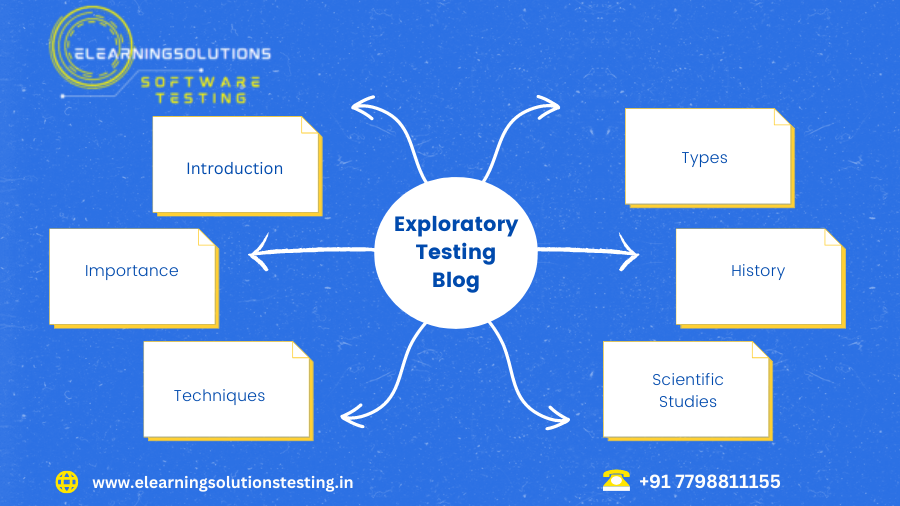
“As the name implies, exploratory testing involves learning, designing, and executing tests all at once. We may argue that in this testing, test execution, analysis, design, and planning are all completed simultaneously.
You will be aware that I became a software tester by mistake if you have read the first article about my experience in software testing. I took the technical and aptitude tests, thinking they were for a Java development position (there was one question about creating test cases for a feature or application, but I can’t recall precisely what it was). I was invited for a follow-up interview after somehow making the software testing shortlist.
Here is a list of things you should be focusing on before calling yourself ready for it:
#1) Aptitude Test
Very crucial; because this tests your natural ability to solve problems and reasoning. Questions can span across multiple categories like Quantitative, Logical, and Verbal abilities. If you are not naturally strong in this stuff, you will need to practice. Don’t take this casually. I have been involved in the hiring process for years now and as many as 60-80% of candidates get filtered out after the Aptitude test round. So, prepare well.
#2) Software Testing Theory
A better option if reading books is not your thing is browsing the internet. Read everything you can about Software Testing basics. Make sure you focus on terminologies and definitions. Get comfort and expertise in terms and concepts such as test scenarios, test cases, test plans, requirement specifications, test data, etc.
You may be interested in:
What is REST API with an example?
Vulnerability scanning in Security Testing
Software Testing topics for presentation
Generative AI business use cases
Frequently Asked Questions
What skills are required to start a career in software testing?
To start a career in software testing, you need to have basic computer skills, knowledge of operating systems, and understanding of software development life cycles. Additionally, having a degree in computer science or a related field can be beneficial. Familiarity with testing frameworks and tools is also a plus.
How can I gain practical experience in software testing?
You can gain practical experience in software testing by participating in online testing communities, contributing to open-source projects, and taking on internships or volunteer testing roles. You can also practice testing on sample applications or personal projects to develop your skills. This hands-on experience will help you build a strong portfolio and make you more attractive to potential employers.
What certifications are available for software testers?
There are several certifications available for software testers, including the Certified Software Tester (CSTE) and the Certified Associate in Software Testing (CAST) certifications. These certifications demonstrate your knowledge and skills in software testing and can be beneficial for career advancement. They often require passing an exam and having a certain amount of work experience.
How long does it take to become a skilled software tester?
The time it takes to become a skilled software tester can vary depending on your background, dedication, and the amount of time you can commit to learning and practicing. With consistent effort, you can develop a strong foundation in software testing in a few months to a year. However, becoming an expert can take several years of experience and continuous learning.
What are the job prospects like for software testers?
Job prospects for software testers are generally good, as companies continue to develop and release new software products. The demand for skilled software testers is high, and job opportunities are available in a variety of industries, including technology, finance, and healthcare. With experience and certifications, you can move into senior roles or specialize in a particular area of software testing.