
Full-stack programming has become a highly sought-after expertise in today’s fast-paced tech industry. Businesses are continuously searching for full-stack engineers who can manage both front-end and back-end development due to the growth of startups, enterprise solutions, and the increasing need for online applications. However, a common concern that comes up when thinking about taking the plunge into full-stack programming is: Is two months enough to become a full-stack developer?
Making major progress in that time span is not impossible, but the short answer is no. Because full-stack development requires a wide range of skills and in-depth knowledge, it typically takes longer to become proficient.
Understanding Full-Stack Development
Let’s clarify what full-stack development is before we talk about whether two months is sufficient.
Both front-end and back-end development are skills that a full-stack developer possesses. This indicates that they are knowledgeable about the tools and technology needed to create and manage a web application’s server-side components as well as its user interface (UI).
Here are some core competencies that a full-stack developer is expected to master:
Front-End Development:
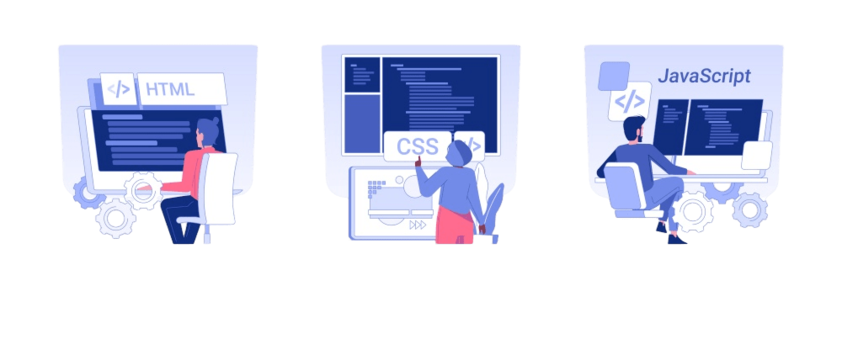
- HTML, CSS, JavaScript
- Front-End Frameworks (React, Angular, Vue.js)
- UI/UX principles and design patterns
- Responsive design for different screen sizes
Back-End Development:
- Server-side programming languages (Node.js, Python, Ruby, PHP, etc.)
- Databases (SQL and NoSQL)
- API development (RESTful APIs, GraphQL)
- Server management (Apache, Nginx)
- Authentication and Authorization mechanisms
Version Control:
- Git and GitHub for code management and collaboration
DevOps and Deployment:
- Knowledge of cloud services (AWS, Google Cloud, Azure)
- Continuous Integration and Continuous Deployment (CI/CD)
- Web hosting and deployment (Heroku, Netlify, etc.)
As you can see, becoming a full-stack developer requires you to be knowledgeable about a variety of technologies, have a solid grasp of front-end and back-end integration, and be familiar with deployment and version control procedures.
What You Can Achieve in 2 Months
In two months, you may not become a “pro” full-stack developer, but you can certainly achieve the following:
Basic Understanding of Full-Stack Development:
- You can gain a firm understanding of JavaScript, HTML, and CSS—the foundation of front-end development.
- You will gain knowledge of server-side languages like Python and Node.js as well as the fundamentals of back-end development.
- You are able to comprehend database ideas and how to use them.
Building Simple Web Applications:
- You might be able to develop basic web apps with fundamental front-end and back-end features at the end of two months.
- A tiny blog or to-do list application, for instance, might be created with a functional user interface, a database to hold data, and simple user authentication.
Version Control Skills:
- Gaining proficiency with Git will help you organize your projects, track code changes, and work with others more effectively.
Confidence with Development Tools:
- You’ll become more accustomed to using web browsers, text editors, and integrated development environments (IDEs) to optimize your productivity.
- Additionally, you will learn how to collaborate and manage code using GitHub.
What You Won’t Achieve in 2 Months
Although two months can provide you with a solid foundation, several concepts and abilities will require more time to master:
Mastering Advanced Frameworks:
- Frameworks like Express or Django (for the back-end) and React (for the front-end) demand more in-depth education and practical experience. Although you can learn the fundamentals in two months, it will take more time and practice to become excellent in these frameworks.
Complex Projects:
- Learning sophisticated design, security, and performance optimization abilities is necessary for developing large-scale systems or complicated, enterprise-level applications.
Full Command Over DevOps:
- It will take longer than two months to completely understand and apply DevOps techniques like infrastructure automation, deployment pipelines, and continuous integration in practical projects.
Problem-Solving and Debugging:
- Experience is necessary for advanced debugging, performance optimization, and problem-solving. You might not be able to effectively optimize huge programs or solve complex problems in two months.
Deployment at Scale:
- Small applications can be deployed on platforms like Heroku, but more experience and skills are needed to handle more complex deployment scenarios, like expanding apps on cloud platforms like AWS.
Factors That Will Determine Your Success in Two Months
Whether or not you can make significant progress in two months depends on several factors, including:
Prior Knowledge and Experience:
- You might learn full-stack ideas more rapidly if you have experience with web development or programming. Learning the fundamentals will take longer if you’re beginning from scratch.
- For instance, you’ll be able to graduate to more complex subjects like back-end programming more quickly if you already know HTML, CSS, and JavaScript.
Learning Resources:
- The caliber and organization of your learning materials can have a big impact on how fast you advance. Learning can be accelerated with the use of online tutorials, bootcamps, coding platforms such as freeCodeCamp, and structured courses like Pluralsight, Coursera, or Udemy.
Time Commitment:
- If you can just commit a few hours per week to learning, two months might not be enough. You’ll advance more quickly if you can devote more time to code, project development, and problem-solving.
- A full-time immersion program, like a bootcamp, can help you learn more quickly and give you the tools and guidance you need to achieve big progress in just two months.
Hands-On Practice:
- Building projects are the best way to learn full-stack development. You will retain information better and have a more realistic grasp of full-stack programming if you concentrate on real-world application and work on small projects during the two months.
Mentorship and Support:
- Access to forums or mentors (such as Stack Overflow, Reddit, or GitHub) can assist you in troubleshooting issues and provide insightful information on best practices. This might boost your confidence and lower your learning curve.
Practical Steps to Maximize Your Learning in 2 Months
To get the most out of the two months, here are some tips to guide your learning journey:
Set Clear Goals:
- Dissect the essential abilities you must acquire every week. For instance, devote the first two weeks to learning the basics of HTML, CSS, and JavaScript, then introduce yourself to front-end frameworks (such as React). Focus on databases, version control, and back-end technologies in the upcoming weeks.
Build Projects:
- Make an effort to develop straightforward, useful applications with both front-end and back-end elements. This might be a task management application with a user login system, a simple blog, or a personal website.
Focus on Problem-Solving:
- Put your attention on learning how to debug and correct your code. Gaining expertise in problem-solving is essential to become a skilled developer.
Keep Learning:
- You will always be learning new things in the broad field of full-stack development. After the two months are up, continue developing, testing, and learning new technologies.
Conclusion
- Making significant progress is certainly achievable, even if two months is typically insufficient to become a completely competent full-stack developer. You can construct simple projects, acquire fundamental ideas, and gain a firm understanding of front-end and back-end development throughout this period. You can progressively acquire the experience required to succeed as a full-stack developer by carrying on with your education after this initial phase and creating practical projects.
- Keep in mind that mastering full-stack development requires patience, commitment, and constant practice. You can start along the correct route in two months, but it’s the journey that will really turn you into a competent and skilled developer.
YOU MAY LIKE THIS
ABAP on SAP HANA. Part VI. New Age Open SQL ABAP 740
Unleash the Power of Your Salesforce Inspector Extension
Elevating Data Interoperability: Exploring OData Implementations and Libraries
Salesforce Developer Salary in India An In-Depth Analysis
Frequently Asked Questions
Is 2 months enough time to learn full stack development from scratch?
While it’s possible to learn the basics of full stack development in 2 months, becoming proficient will likely take longer. Two months can give you a solid foundation, but you should be prepared to continue learning and practicing after this initial period. With dedication, you can make significant progress in a short amount of time.
What skills can I realistically learn in 2 months to become a full stack developer?
In 2 months, you can learn the fundamentals of front-end development using HTML, CSS, and JavaScript, as well as back-end development using a framework like Node.js or Ruby on Rails. You can also learn about databases and how to integrate them into your applications. However, the depth of knowledge you can acquire will depend on the amount of time you dedicate to learning each day.
Will I be able to get a job as a full stack developer after just 2 months of learning?
It’s unlikely that you’ll be able to get a job as a full stack developer after just 2 months of learning, as most employers require more experience and a stronger portfolio. However, you may be able to get an internship or a junior position, which can help you gain the experience you need to become a more competitive candidate. Building a strong portfolio and continuing to learn and improve your skills will be crucial in your job search.
What are the most important things to focus on when trying to become a full stack developer in 2 months?
When trying to become a full stack developer in 2 months, it’s essential to focus on building a strong foundation in programming fundamentals, learning a few key technologies, and working on projects to apply your knowledge. You should also prioritize learning about databases, APIs, and security, as these are critical components of full stack development. By focusing on these areas, you can make the most of your limited time and set yourself up for success.
Are there any resources or programs that can help me learn full stack development in 2 months?
Yes, there are many resources and programs available that can help you learn full stack development in 2 months, including online courses, bootcamps, and coding challenges. Some popular options include FreeCodeCamp, Codecademy, and Udemy, which offer structured curricula and hands-on projects to help you learn. Additionally, joining online communities and finding a mentor can provide valuable support and guidance throughout your learning journey.


